Introduction
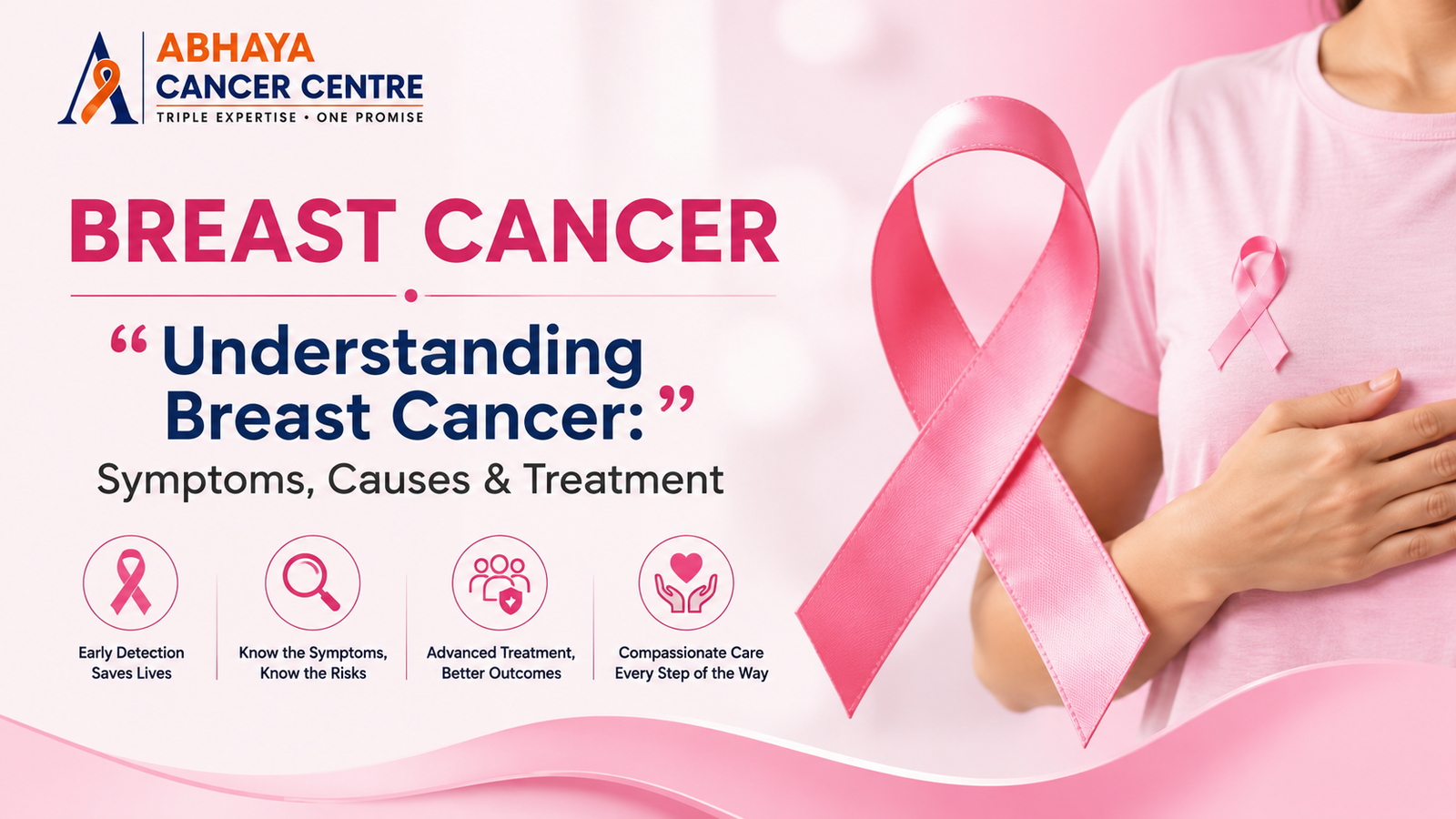
Breast cancer is one of the most common types of cancer affecting women worldwide, although men can also develop it in rare cases. It occurs when abnormal cells in the breast grow uncontrollably and form a tumor. Early detection and timely treatment can greatly improve recovery and survival rates.
What is Breast Cancer?
Breast cancer begins in the cells of the breast. It can start in different parts of the breast, including:
- Milk ducts
- Lobules (milk-producing glands)
- Breast tissue
If not treated early, cancer cells may spread to nearby lymph nodes and other parts of the body.
Common Symptoms of Breast Cancer
Some common signs and symptoms include:
- Lump or thickening in the breast
- Change in breast size or shape
- Pain in the breast or nipple
- Nipple discharge
- Skin dimpling or redness
- Swelling in the underarm area
- Inverted nipple
It is important to consult a doctor if any unusual changes are noticed.
Causes and Risk Factors
The exact cause of breast cancer is not always known, but several factors may increase the risk:
Risk Factors
- Family history of breast cancer
- Increasing age
- Hormonal changes
- Obesity
- Smoking and alcohol consumption
- Lack of physical activity
- Radiation exposure
Having one or more risk factors does not necessarily mean a person will develop breast cancer.
Types of Breast Cancer
Some common types include:
Ductal Carcinoma
Starts in the milk ducts and is the most common type.
Lobular Carcinoma
Begins in the milk-producing glands.
Inflammatory Breast Cancer
A rare but aggressive form of breast cancer.
Triple Negative Breast Cancer
A type that may require specialized treatment approaches.
How is Breast Cancer Diagnosed?
Doctors may recommend several tests, including:
- Clinical breast examination
- Mammography
- Ultrasound scan
- MRI scan
- Biopsy
These tests help confirm the diagnosis and determine the stage of cancer.
Treatment Options for Breast Cancer
Treatment depends on the stage, type, and overall health of the patient.
Surgery
Removal of the tumor or affected breast tissue.
Chemotherapy
Uses medicines to destroy cancer cells.
Radiation Therapy
High-energy rays are used to target cancer cells.
Hormone Therapy
Blocks hormones that help cancer grow.
Targeted Therapy
Specialized medicines that target specific cancer cells.
Tips for Prevention
While breast cancer cannot always be prevented, healthy lifestyle habits may help reduce the risk:
- Maintain a healthy weight
- Exercise regularly
- Avoid smoking and alcohol
- Eat a balanced diet
- Attend regular health checkups
- Perform breast self-examinations
When Should You See a Doctor?
Seek medical advice if you notice:
- Persistent breast pain
- New lump formation
- Skin or nipple changes
- Unusual discharge
Early medical attention can make treatment more effective.
Conclusion
Breast cancer awareness and early diagnosis are essential for successful treatment. Regular screenings, healthy lifestyle choices, and timely medical consultation can help improve outcomes and quality of life.