
Blood Cancer Explained: Types, Symptoms & Available Treatments
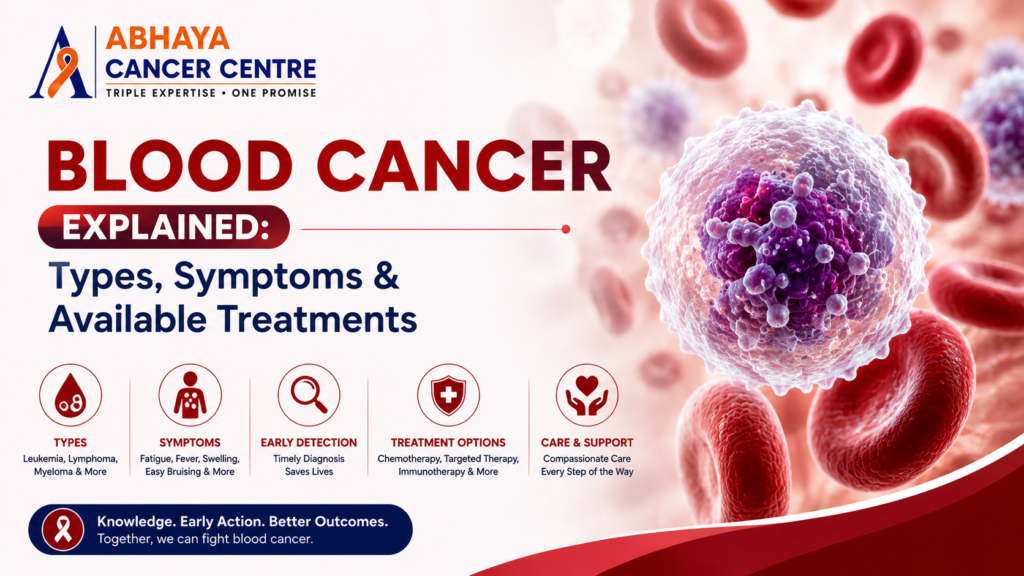
Introduction Blood cancer is a type of cancer that affects the blood, bone marrow, or lymphatic system. It occurs when abnormal blood cells grow uncontrollably and interfere with the normal functioning of healthy blood cells. Early diagnosis and modern treatment options have improved the chances of managing and treating many types of blood cancer successfully. What is Blood Cancer? Blood cancer develops when abnormal cells begin growing in the blood-forming tissues of the body. These cancer cells prevent normal blood cells from performing their functions properly, such as fighting infections, carrying oxygen, and controlling bleeding. Blood cancer can affect people of all age groups, including children and adults. Common Symptoms of Blood Cancer Symptoms may vary depending on the type and stage of the disease. Common signs include: If these symptoms continue for a long time, medical evaluation is recommended. Types of Blood Cancer Leukemia Leukemia affects the blood and bone marrow. It leads to the production of abnormal white blood cells. Lymphoma Lymphoma affects the lymphatic system, which helps the body fight infections. Myeloma Multiple myeloma affects plasma cells, a type of white blood cell responsible for producing antibodies. Causes and Risk Factors The exact cause of blood cancer may not always be known, but certain factors can increase risk. Genetic Factors Family history and inherited conditions may contribute to blood cancer risk. Radiation Exposure Exposure to high levels of radiation may increase the chances of developing blood cancer. Chemical Exposure Certain industrial chemicals and toxins may affect blood cell development. Weak Immune System People with weakened immunity may have a higher risk. Previous Cancer Treatments Certain chemotherapy or radiation treatments may increase future risk. How is Blood Cancer Diagnosed? Doctors may recommend several tests to confirm the diagnosis: These tests help identify the type and stage of blood cancer. Available Treatment Options Treatment depends on the specific type of blood cancer and the patient’s overall health. Chemotherapy Uses medicines to destroy cancer cells. Radiation Therapy High-energy rays are used to target affected areas. Immunotherapy Helps strengthen the body’s immune system to fight cancer. Targeted Therapy Specialized medicines target specific cancer cells while minimizing damage to healthy cells. Bone Marrow or Stem Cell Transplant Helps replace damaged bone marrow with healthy cells. Tips for Maintaining Better Health Healthy lifestyle habits can support overall well-being during treatment and recovery. When Should You Consult a Doctor? Seek medical attention if you experience: Early medical care can improve treatment outcomes and quality of life. Conclusion Blood cancer affects the body’s blood-forming tissues, but advancements in diagnosis and treatment have made many forms of blood cancer manageable. Understanding the symptoms and seeking early medical care can help improve recovery and long-term health.
How to Choose the Best Cancer Specialist Doctors in Vanasthalipuram, Hyderabad
A cancer diagnosis brings emotional and physical challenges, making the choice of your care team one of the most critical decisions you will ever make. Finding top-tier oncology care close to home provides comfort, reduces travel stress, and ensures timely treatment. When searching for the Best Cancer Doctors in Vanasthalipuram, Hyderabad you need a team that combines clinical excellence, cutting-edge technology, and compassionate support under one roof. At Abhaya Cancer Centre, we guide you through the key factors to evaluate when choosing oncology specialists and explain how a multidisciplinary approach offers you the best path to recovery. Key Factors in Choosing a Cancer Specialist Selecting the right specialist involves more than just a quick online search. Consider these essential criteria to ensure you receive expert care: Core Specialists You Need on Your Care Team Comprehensive cancer care relies on three core pillars of oncology working in harmony. 1. Expert Surgical Care Surgery is often the primary step to remove tumors safely. Consulting an experienced Surgical Oncologist in Vanasthalipuram ensures precise tumor resection for head and neck, breast, gastrointestinal, thyroid, and gynecological cancers (uterus, ovary, cervix). When surgical intervention requires minimal downtime and high precision, working with a skilled Robotic Surgeon in Vanasthalipuram allows for complex laparoscopic and robotic-assisted procedures that preserve healthy surrounding tissue and speed up healing. 2. Comprehensive Medical Oncology Medical oncology focuses on systemic treatments designed to destroy cancer cells, prevent recurrence, and manage disease progression. Partnering with a dedicated Medical Oncologist in Vanasthalipuram gives you access to tailored chemotherapy regimens, targeted therapies, and personalized treatment schedules designed to maintain your quality of life. 3. Precision Radiation Therapy Advanced radiation techniques destroy targeted tumor cells while shielding nearby healthy organs. Guidance from an expert Radiation Oncologist in Vanasthalipuram ensures access to modern delivery techniques such as External Beam Radiotherapy (EBRT), RapidArc, IMRT, IGRT, 3D CRT, SBRT, SRS, SRT, HDR Brachytherapy, and DIBH with Respiratory Gating. 4. Treatment Services at Abhaya Cancer Centre At Abhaya Cancer Centre, we offer a full spectrum of oncological services tailored to each patient’s journey: Surgical Oncology – Head & Neck, Breast, GI, Thyroid, Gynecological, Minimal Access & Robotic Surgeries. Medical Oncology – Chemotherapy, Targeted Therapy, Cancer Screening & Preventive Counselling. Radiation Oncology – RapidArc, IGRT, IMRT, 3D CRT, DIBH, SBRT/SRS/SRT, HDR Brachytherapy. Frequently Asked Questions (FAQs) Why is a second opinion important before starting cancer treatment? A second opinion confirms your initial diagnosis, explores all surgical and non-surgical alternatives, and ensures you feel completely confident in your chosen treatment path. At Abhaya Cancer Centre, we offer comprehensive second-opinion consultations. What is the advantage of receiving cancer care locally in Vanasthalipuram? Cancer treatments like chemotherapy or radiation require multiple visits over weeks or months. Localized care reduces travel fatigue, provides quick emergency access, and keeps you close to your family support system. What cancer screening services are available? We offer comprehensive cancer screening and preventive counseling to detect early warning signs for breast, cervical, head and neck, and gastrointestinal cancers, significantly improving long-term outcomes. Take the First Step Toward Healing You don’t have to navigate a cancer diagnosis alone. At Abhaya Cancer Centre, our senior specialists bring decades of combined experience, state-of-the-art technologies, and individualized care to help you fight cancer with confidence. Get the expert medical guidance, precise surgical intervention, and compassionate support you deserve right here in your neighborhood. Visit Us or Book an Appointment Clinic Address: H. No:- 6, 4-331/1WP, Plot no 28, near Red tank, CBI Colony, Phase 4, Sachivalaya Nagar, Vanasthalipuram, Hyderabad, Telangana 500070
Head & Neck Cancer: Signs, Causes & Treatment Options

Introduction Head and neck cancers include a group of cancers that develop in the mouth, throat, voice box, nose, sinuses, and salivary glands. Early diagnosis greatly improves treatment success. What is Head & Neck Cancer? Head and neck cancer begins when abnormal cells grow uncontrollably in the tissues of the head and neck region. These cancers can affect speaking, swallowing, and breathing if left untreated. Common Symptoms Symptoms may vary depending on the location of the cancer: Risk Factors Major risk factors include: Diagnosis Doctors may use: Treatment Options Treatment may include: Prevention Tips To reduce risk: Conclusion Head and neck cancers are highly treatable when diagnosed early. Awareness of symptoms and timely medical evaluation are essential for better outcomes.
Cervical Cancer: Early Detection Saves Lives

Introduction Cervical cancer is one of the most preventable forms of cancer when detected early. It develops in the cervix, the lower part of the uterus, and is often linked to persistent Human Papillomavirus (HPV) infection. What is Cervical Cancer? Cervical cancer occurs when abnormal cells in the cervix begin to grow uncontrollably. Regular screening can help identify precancerous changes before they become cancerous. Common Symptoms In the early stages, cervical cancer may not cause noticeable symptoms. Later symptoms may include: Risk Factors Factors that may increase the risk include: Diagnosis Doctors may recommend: Treatment Options Treatment depends on the stage of cancer: Prevention Cervical cancer can often be prevented through: Conclusion Routine screening and HPV vaccination are powerful tools in preventing cervical cancer and improving long-term health outcomes.
Understanding Prostate Cancer: Symptoms, Risk Factors & Treatment
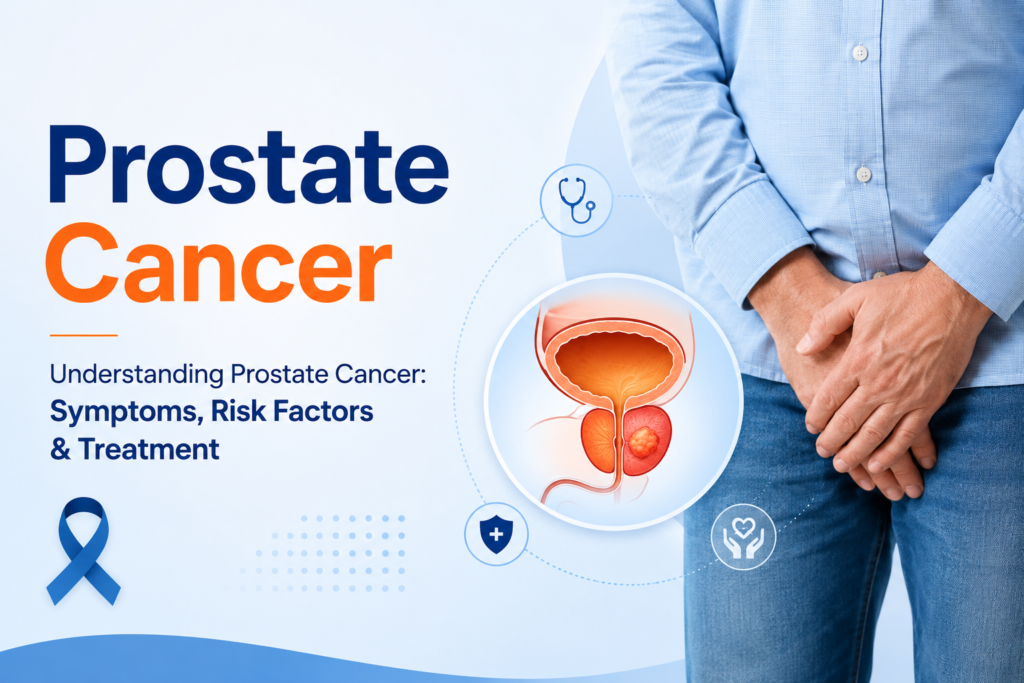
Introduction Prostate cancer is one of the most common cancers affecting men, especially those above the age of 50. It develops in the prostate gland, a small gland responsible for producing seminal fluid. Early detection and timely treatment can significantly improve outcomes and quality of life. What is Prostate Cancer? Prostate cancer occurs when cells in the prostate gland grow uncontrollably. While some prostate cancers grow slowly, others may spread to nearby tissues and other parts of the body if left untreated. Common Symptoms Prostate cancer may not cause symptoms in its early stages. As the disease progresses, symptoms may include: Risk Factors Several factors may increase the risk of prostate cancer: Diagnosis Doctors may use the following tests to diagnose prostate cancer: Treatment Options Treatment depends on the stage and severity of the cancer: Conclusion Regular screening and early diagnosis play a crucial role in the successful treatment of prostate cancer. Men above 50 should discuss screening options with their healthcare provider.
Lung Cancer: Early Signs, Risk Factors & Treatment Options
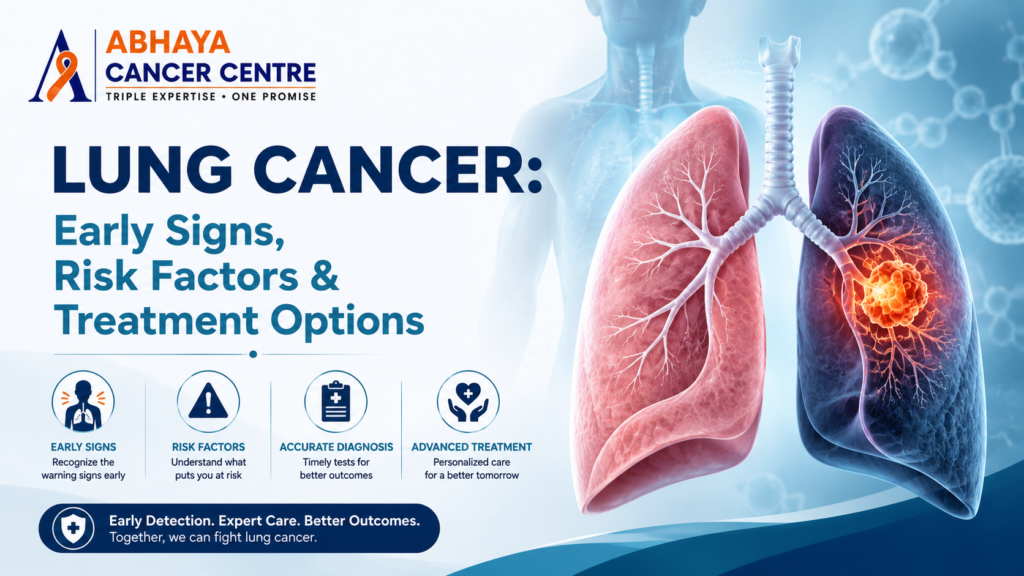
Introduction Lung cancer is one of the leading causes of cancer-related deaths worldwide. It occurs when abnormal cells in the lungs grow uncontrollably and form tumors. Early detection and proper treatment can significantly improve the chances of successful recovery. Lung cancer can affect both smokers and non-smokers, making awareness and regular health checkups extremely important. What is Lung Cancer? Lung cancer begins in the tissues of the lungs, usually in the air passages or small air sacs. Over time, cancer cells may spread to nearby lymph nodes and other parts of the body if left untreated. The lungs play a vital role in breathing and supplying oxygen to the body. Any disease affecting the lungs can impact overall health and daily life. Early Signs and Symptoms of Lung Cancer Symptoms may vary from person to person. Some common warning signs include: If these symptoms continue for a long period, medical consultation is recommended. Risk Factors for Lung Cancer Several factors may increase the risk of developing lung cancer. Smoking Smoking is the leading cause of lung cancer. Both active smoking and passive smoking can increase risk. Air Pollution Long-term exposure to polluted air and harmful chemicals may affect lung health. Family History A family history of lung cancer may increase the chances of developing the disease. Exposure to Harmful Substances Exposure to asbestos, radon gas, and industrial chemicals can contribute to lung cancer risk. Weak Immune System Certain health conditions and weakened immunity may increase susceptibility. Types of Lung Cancer Non-Small Cell Lung Cancer (NSCLC) This is the most common type and usually grows slowly. Small Cell Lung Cancer (SCLC) A more aggressive form that spreads quickly and often requires immediate treatment. How is Lung Cancer Diagnosed? Doctors may recommend several tests to confirm the condition: These tests help determine the stage and extent of cancer. Treatment Options for Lung Cancer Treatment depends on the type, stage, and overall health of the patient. Surgery Removal of the cancerous part of the lung. Chemotherapy Medicines used to destroy cancer cells. Radiation Therapy High-energy radiation used to target tumors. Targeted Therapy Specialized treatment aimed at specific cancer cells. Immunotherapy Helps the body’s immune system fight cancer more effectively. Tips to Reduce the Risk of Lung Cancer Healthy lifestyle habits can support better lung health. When Should You Consult a Doctor? Seek medical attention if you experience: Early diagnosis often leads to better treatment outcomes. Conclusion Lung cancer is a serious condition, but early detection and advanced treatment options can improve recovery and quality of life. Understanding the symptoms, risk factors, and available treatments can help individuals seek timely medical care.
Understanding Breast Cancer: Symptoms, Causes & Treatment

Introduction Breast cancer is one of the most common types of cancer affecting women worldwide, although men can also develop it in rare cases. It occurs when abnormal cells in the breast grow uncontrollably and form a tumor. Early detection and timely treatment can greatly improve recovery and survival rates. What is Breast Cancer? Breast cancer begins in the cells of the breast. It can start in different parts of the breast, including: If not treated early, cancer cells may spread to nearby lymph nodes and other parts of the body. Common Symptoms of Breast Cancer Some common signs and symptoms include: It is important to consult a doctor if any unusual changes are noticed. Causes and Risk Factors The exact cause of breast cancer is not always known, but several factors may increase the risk: Risk Factors Having one or more risk factors does not necessarily mean a person will develop breast cancer. Types of Breast Cancer Some common types include: Ductal Carcinoma Starts in the milk ducts and is the most common type. Lobular Carcinoma Begins in the milk-producing glands. Inflammatory Breast Cancer A rare but aggressive form of breast cancer. Triple Negative Breast Cancer A type that may require specialized treatment approaches. How is Breast Cancer Diagnosed? Doctors may recommend several tests, including: These tests help confirm the diagnosis and determine the stage of cancer. Treatment Options for Breast Cancer Treatment depends on the stage, type, and overall health of the patient. Surgery Removal of the tumor or affected breast tissue. Chemotherapy Uses medicines to destroy cancer cells. Radiation Therapy High-energy rays are used to target cancer cells. Hormone Therapy Blocks hormones that help cancer grow. Targeted Therapy Specialized medicines that target specific cancer cells. Tips for Prevention While breast cancer cannot always be prevented, healthy lifestyle habits may help reduce the risk: When Should You See a Doctor? Seek medical advice if you notice: Early medical attention can make treatment more effective. Conclusion Breast cancer awareness and early diagnosis are essential for successful treatment. Regular screenings, healthy lifestyle choices, and timely medical consultation can help improve outcomes and quality of life.