
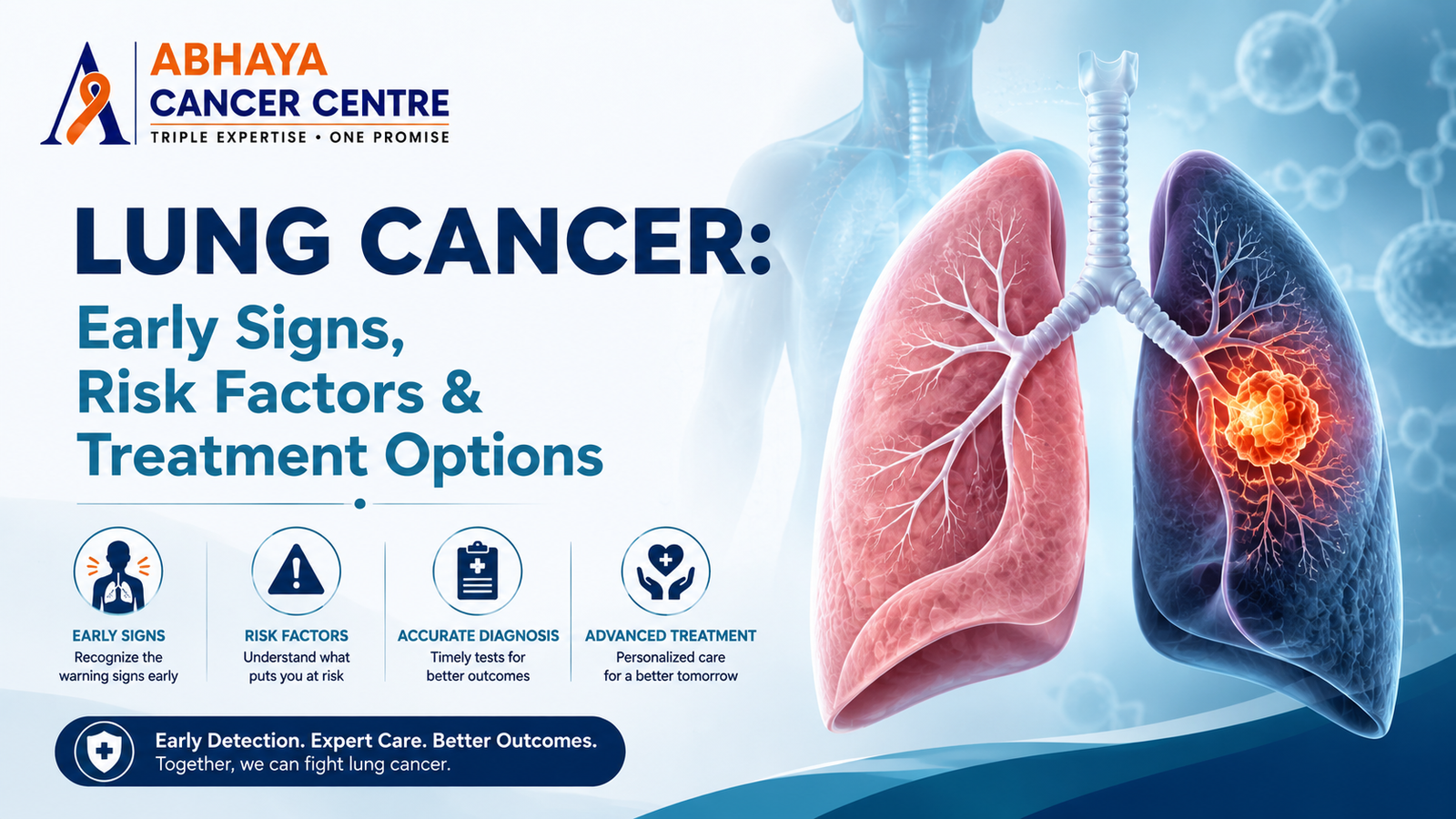
Introduction
Lung cancer is one of the leading causes of cancer-related deaths worldwide. It occurs when abnormal cells in the lungs grow uncontrollably and form tumors. Early detection and proper treatment can significantly improve the chances of successful recovery.
Lung cancer can affect both smokers and non-smokers, making awareness and regular health checkups extremely important.
What is Lung Cancer?
Lung cancer begins in the tissues of the lungs, usually in the air passages or small air sacs. Over time, cancer cells may spread to nearby lymph nodes and other parts of the body if left untreated.
The lungs play a vital role in breathing and supplying oxygen to the body. Any disease affecting the lungs can impact overall health and daily life.
Early Signs and Symptoms of Lung Cancer
Symptoms may vary from person to person. Some common warning signs include:
- Persistent cough
- Chest pain
- Shortness of breath
- Coughing up blood
- Wheezing
- Hoarseness of voice
- Unexplained weight loss
- Fatigue and weakness
- Frequent lung infections
If these symptoms continue for a long period, medical consultation is recommended.
Risk Factors for Lung Cancer
Several factors may increase the risk of developing lung cancer.
Smoking
Smoking is the leading cause of lung cancer. Both active smoking and passive smoking can increase risk.
Air Pollution
Long-term exposure to polluted air and harmful chemicals may affect lung health.
Family History
A family history of lung cancer may increase the chances of developing the disease.
Exposure to Harmful Substances
Exposure to asbestos, radon gas, and industrial chemicals can contribute to lung cancer risk.
Weak Immune System
Certain health conditions and weakened immunity may increase susceptibility.
Types of Lung Cancer
Non-Small Cell Lung Cancer (NSCLC)
This is the most common type and usually grows slowly.
Small Cell Lung Cancer (SCLC)
A more aggressive form that spreads quickly and often requires immediate treatment.
How is Lung Cancer Diagnosed?
Doctors may recommend several tests to confirm the condition:
- Chest X-ray
- CT Scan
- PET Scan
- Sputum Cytology
- Bronchoscopy
- Biopsy
These tests help determine the stage and extent of cancer.
Treatment Options for Lung Cancer
Treatment depends on the type, stage, and overall health of the patient.
Surgery
Removal of the cancerous part of the lung.
Chemotherapy
Medicines used to destroy cancer cells.
Radiation Therapy
High-energy radiation used to target tumors.
Targeted Therapy
Specialized treatment aimed at specific cancer cells.
Immunotherapy
Helps the body’s immune system fight cancer more effectively.
Tips to Reduce the Risk of Lung Cancer
- Avoid smoking and tobacco products
- Stay away from secondhand smoke
- Exercise regularly
- Maintain a healthy diet
- Use protective equipment in hazardous workplaces
- Attend regular health screenings
Healthy lifestyle habits can support better lung health.
When Should You Consult a Doctor?
Seek medical attention if you experience:
- Continuous cough lasting more than a few weeks
- Difficulty breathing
- Chest discomfort
- Blood in cough
- Sudden unexplained weight loss
Early diagnosis often leads to better treatment outcomes.
Conclusion
Lung cancer is a serious condition, but early detection and advanced treatment options can improve recovery and quality of life. Understanding the symptoms, risk factors, and available treatments can help individuals seek timely medical care.