
Introduction
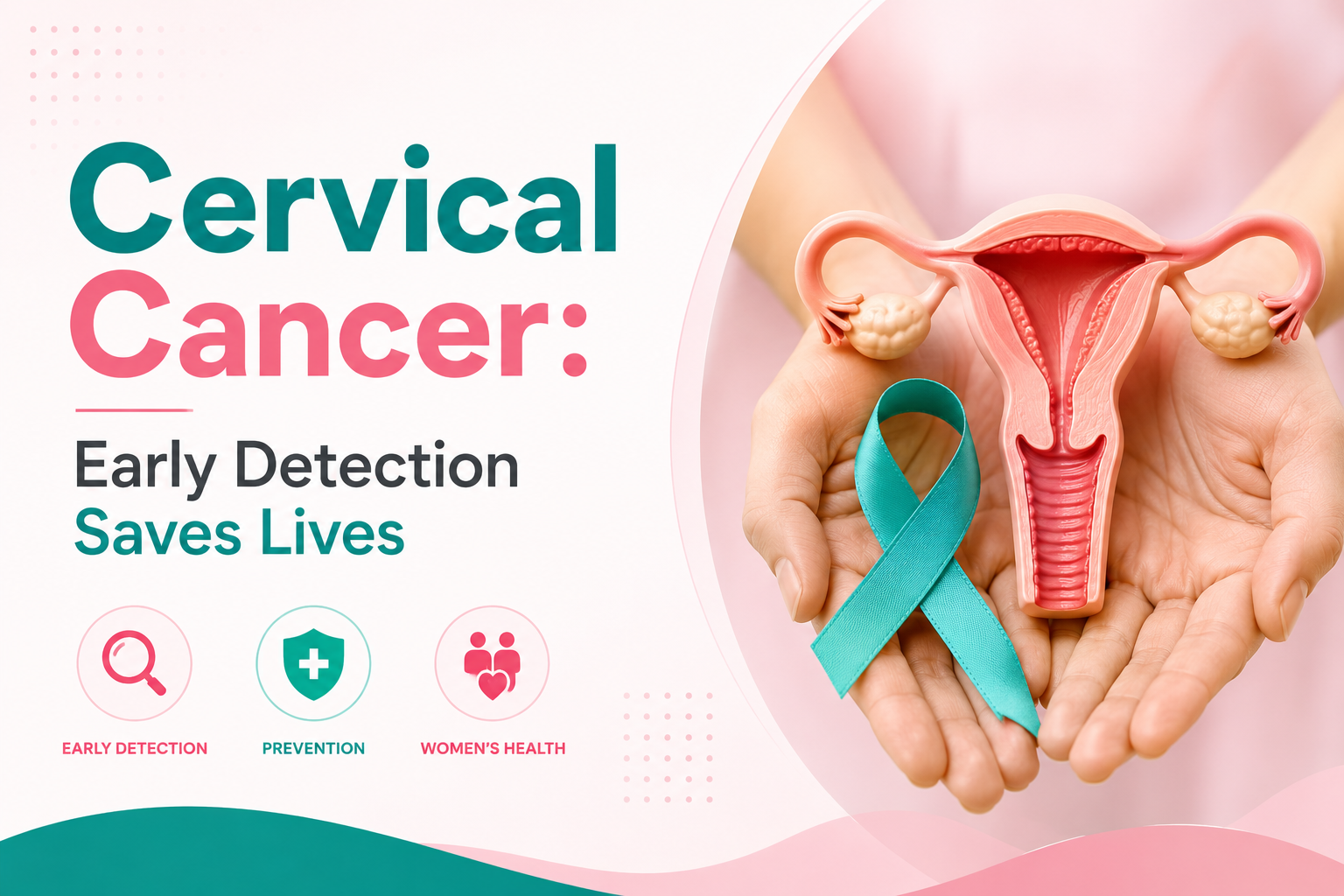
Cervical cancer is one of the most preventable forms of cancer when detected early. It develops in the cervix, the lower part of the uterus, and is often linked to persistent Human Papillomavirus (HPV) infection.
What is Cervical Cancer?
Cervical cancer occurs when abnormal cells in the cervix begin to grow uncontrollably. Regular screening can help identify precancerous changes before they become cancerous.
Common Symptoms
In the early stages, cervical cancer may not cause noticeable symptoms. Later symptoms may include:
- Abnormal vaginal bleeding
- Bleeding after intercourse
- Pelvic pain
- Unusual vaginal discharge
- Pain during intercourse
- Fatigue and weight loss
Risk Factors
Factors that may increase the risk include:
- HPV infection
- Smoking
- Weakened immune system
- Multiple pregnancies
- Family history
- Lack of regular screening
Diagnosis
Doctors may recommend:
- Pap Smear Test
- HPV Testing
- Colposcopy
- Cervical Biopsy
- Imaging Tests
Treatment Options
Treatment depends on the stage of cancer:
- Surgery
- Radiation Therapy
- Chemotherapy
- Targeted Therapy
- Combined Chemoradiation
Prevention
Cervical cancer can often be prevented through:
- HPV Vaccination
- Regular Pap Smear Screening
- Safe sexual practices
- Avoiding tobacco use
Conclusion
Routine screening and HPV vaccination are powerful tools in preventing cervical cancer and improving long-term health outcomes.