
Introduction
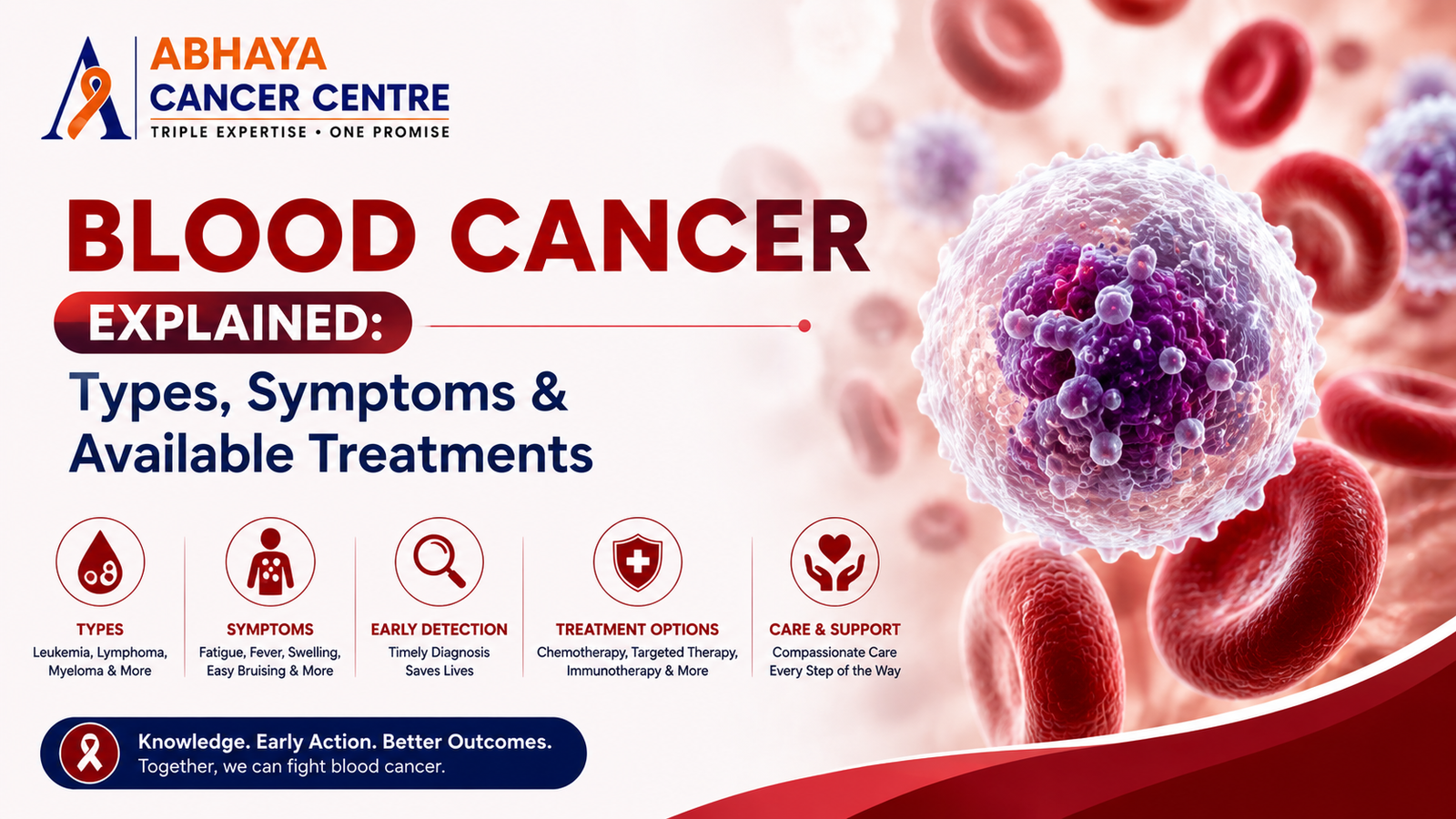
Blood cancer is a type of cancer that affects the blood, bone marrow, or lymphatic system. It occurs when abnormal blood cells grow uncontrollably and interfere with the normal functioning of healthy blood cells.
Early diagnosis and modern treatment options have improved the chances of managing and treating many types of blood cancer successfully.
What is Blood Cancer?
Blood cancer develops when abnormal cells begin growing in the blood-forming tissues of the body. These cancer cells prevent normal blood cells from performing their functions properly, such as fighting infections, carrying oxygen, and controlling bleeding.
Blood cancer can affect people of all age groups, including children and adults.
Common Symptoms of Blood Cancer
Symptoms may vary depending on the type and stage of the disease. Common signs include:
- Persistent fatigue and weakness
- Frequent infections
- Fever or night sweats
- Unexplained weight loss
- Easy bruising or bleeding
- Swollen lymph nodes
- Bone or joint pain
- Shortness of breath
- Pale skin
If these symptoms continue for a long time, medical evaluation is recommended.
Types of Blood Cancer
Leukemia
Leukemia affects the blood and bone marrow. It leads to the production of abnormal white blood cells.
Lymphoma
Lymphoma affects the lymphatic system, which helps the body fight infections.
Myeloma
Multiple myeloma affects plasma cells, a type of white blood cell responsible for producing antibodies.
Causes and Risk Factors
The exact cause of blood cancer may not always be known, but certain factors can increase risk.
Genetic Factors
Family history and inherited conditions may contribute to blood cancer risk.
Radiation Exposure
Exposure to high levels of radiation may increase the chances of developing blood cancer.
Chemical Exposure
Certain industrial chemicals and toxins may affect blood cell development.
Weak Immune System
People with weakened immunity may have a higher risk.
Previous Cancer Treatments
Certain chemotherapy or radiation treatments may increase future risk.
How is Blood Cancer Diagnosed?
Doctors may recommend several tests to confirm the diagnosis:
- Blood tests
- Bone marrow biopsy
- CT scan or PET scan
- Lymph node biopsy
- Genetic and molecular testing
These tests help identify the type and stage of blood cancer.
Available Treatment Options
Treatment depends on the specific type of blood cancer and the patient’s overall health.
Chemotherapy
Uses medicines to destroy cancer cells.
Radiation Therapy
High-energy rays are used to target affected areas.
Immunotherapy
Helps strengthen the body’s immune system to fight cancer.
Targeted Therapy
Specialized medicines target specific cancer cells while minimizing damage to healthy cells.
Bone Marrow or Stem Cell Transplant
Helps replace damaged bone marrow with healthy cells.
Tips for Maintaining Better Health
- Attend regular medical checkups
- Eat a balanced and nutritious diet
- Stay physically active
- Avoid smoking and alcohol
- Follow doctor-recommended treatments carefully
- Maintain proper hygiene to reduce infections
Healthy lifestyle habits can support overall well-being during treatment and recovery.
When Should You Consult a Doctor?
Seek medical attention if you experience:
- Persistent fever
- Unusual bleeding
- Frequent infections
- Severe fatigue
- Swollen lymph nodes
- Sudden weight loss
Early medical care can improve treatment outcomes and quality of life.
Conclusion
Blood cancer affects the body’s blood-forming tissues, but advancements in diagnosis and treatment have made many forms of blood cancer manageable. Understanding the symptoms and seeking early medical care can help improve recovery and long-term health.