Hemato Oncology Services
- Home
- Hemato Oncology Services

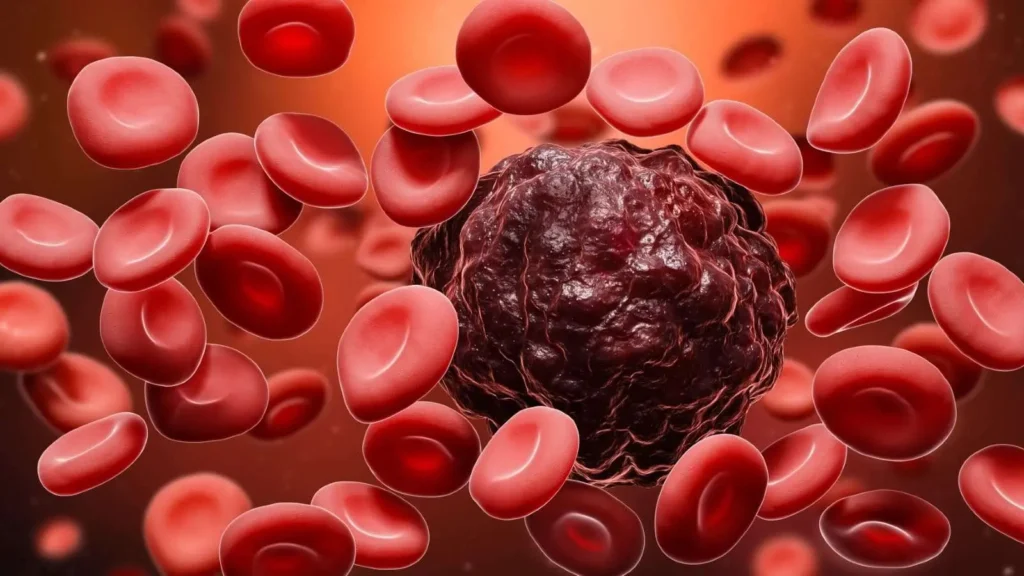
Hemato Oncology is a specialized branch of medicine focused on the diagnosis, treatment, and management of blood-related cancers and disorders. It encompasses conditions affecting the blood, bone marrow, lymphatic system, and immune system, including leukemia, lymphoma, multiple myeloma, myelodysplastic syndromes, and other hematological malignancies. At Abhaya Cancer Centre, our Hemato Oncology Services are designed to provide comprehensive, personalized care using advanced diagnostic techniques and evidence-based treatment approaches. Our multidisciplinary team works closely with patients and their families to ensure accurate diagnosis, effective treatment, and ongoing support throughout the cancer journey.
The exact cause of many blood cancers remains unclear, but several factors may increase the risk of developing hematological malignancies. Genetic mutations that affect the normal growth and function of blood cells play a significant role in many cases. Certain inherited genetic disorders, prolonged exposure to radiation, contact with industrial chemicals such as benzene, previous chemotherapy treatments, and weakened immune function may also contribute to the development of blood cancers. Age, family history, smoking, and certain viral infections have been associated with an increased risk of specific hematological cancers. While these factors may raise susceptibility, many patients develop blood cancers without any identifiable risk factors.
The symptoms of blood cancers can vary depending on the specific condition and its stage. Common signs include persistent fatigue, unexplained weight loss, frequent infections, prolonged fever, excessive sweating, especially at night, and swollen lymph nodes in the neck, armpits, or groin. Patients may also experience easy bruising, frequent bleeding, pale skin, bone or joint pain, shortness of breath, and a feeling of fullness in the abdomen due to an enlarged spleen or liver. Because these symptoms may resemble other medical conditions, timely medical evaluation is essential for accurate diagnosis and prompt treatment.
Accurate diagnosis is the foundation of successful Hemato Oncology treatment. The diagnostic process typically begins with a detailed medical history review and physical examination, followed by specialized blood tests to assess blood cell counts and identify abnormalities. Additional investigations may include bone marrow aspiration and biopsy, flow cytometry, cytogenetic testing, molecular studies, lymph node biopsy, and advanced imaging techniques such as CT scans, PET scans, and MRI scans. These tests help determine the type, stage, and genetic characteristics of the disease, allowing specialists to develop a highly individualized treatment plan tailored to each patient’s condition.
Treatment for hematological cancers depends on the type of disease, its severity, the patient’s overall health, and specific genetic features of the cancer. Chemotherapy remains one of the most commonly used treatments and may be administered alone or in combination with other therapies. Targeted therapy focuses on specific cancer-related molecules, helping to destroy malignant cells while minimizing damage to healthy tissues. Immunotherapy harnesses the body’s immune system to recognize and fight cancer cells more effectively. Radiation therapy may be used in selected cases to control localized disease. Stem cell transplantation, also known as bone marrow transplantation, is an advanced treatment option for certain blood cancers and disorders. Supportive treatments such as blood transfusions, infection management, and growth factor therapy are also important components of comprehensive care.
Recovery and long-term monitoring are essential aspects of Hemato Oncology care. After treatment, patients require regular follow-up visits to evaluate treatment response, monitor for recurrence, and manage any long-term side effects. Follow-up care may include routine blood tests, imaging studies, nutritional counseling, rehabilitation support, and psychological care. Maintaining a healthy lifestyle, following prescribed medications, and attending scheduled appointments help improve overall well-being and support long-term recovery. Continuous monitoring allows healthcare providers to identify and address potential concerns at an early stage.
Blood cancers and their treatments can lead to various complications if not properly managed. These may include severe infections due to weakened immunity, anemia, bleeding disorders, organ dysfunction, blood clot formation, and treatment-related side effects such as nausea, fatigue, hair loss, and reduced blood cell counts. Certain therapies may also increase the risk of long-term health issues, including secondary cancers or cardiovascular complications. Early recognition and appropriate management of these risks are crucial for maintaining patient safety and treatment effectiveness.
It is important to seek medical attention if you experience persistent fatigue, unexplained weight loss, recurring infections, prolonged fever, unusual bleeding or bruising, swollen lymph nodes, night sweats, or ongoing bone pain. Individuals with a family history of blood cancers or those exposed to known risk factors should also consider regular medical evaluations. Early diagnosis significantly improves treatment outcomes and can increase the chances of successful disease management. If you notice any concerning symptoms, consulting a Hemato Oncology specialist promptly can help ensure timely evaluation and appropriate care.
At Abhaya Cancer Centre, we are committed to delivering advanced Hemato Oncology Services with compassion, precision, and personalized attention. Our goal is to provide comprehensive cancer care that supports patients at every stage, from diagnosis and treatment to recovery and long-term wellness.
WhatsApp us