Immunotherapy
- Home
- Immunotherapy


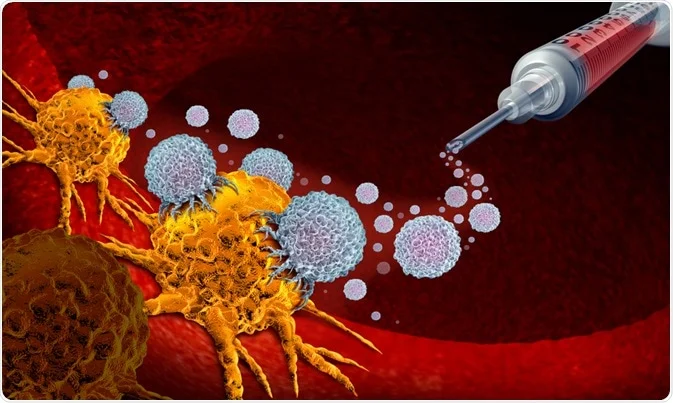
Immunotherapy is an advanced cancer treatment that helps the body’s immune system recognize, target, and destroy cancer cells more effectively. Unlike conventional treatments that directly attack cancer cells, immunotherapy works by strengthening or modifying the body’s natural defense mechanisms to fight cancer. This innovative approach has transformed the treatment of several cancers, including lung cancer, melanoma, kidney cancer, bladder cancer, head and neck cancers, and certain blood cancers.
At Abhaya Cancer Centre, immunotherapy is offered as part of a personalized cancer treatment plan. Depending on the type and stage of cancer, immunotherapy may be used alone or in combination with surgery, chemotherapy, radiation therapy, or targeted therapy to improve treatment outcomes and enhance quality of life.
Immunotherapy itself is not a condition and therefore does not have causes. It is recommended when cancer cells develop mechanisms that allow them to evade or suppress the body’s immune response. Certain cancers produce proteins that prevent immune cells from recognizing and attacking them effectively. In such situations, immunotherapy helps restore the immune system’s ability to identify and eliminate cancer cells. The decision to use immunotherapy is based on factors such as cancer type, genetic markers, tumor characteristics, and the patient’s overall health condition.
Patients who may benefit from immunotherapy often experience symptoms related to their underlying cancer. These symptoms vary depending on the cancer type and may include unexplained weight loss, persistent fatigue, chronic pain, abnormal bleeding, prolonged cough, difficulty swallowing, swollen lymph nodes, changes in bowel or bladder habits, or non-healing sores. Since immunotherapy targets the immune system rather than specific symptoms, treatment eligibility is determined through a detailed medical evaluation and diagnostic testing.
Before recommending immunotherapy, specialists perform a comprehensive diagnostic assessment to determine whether a patient is a suitable candidate. This evaluation may include a detailed medical history, physical examination, blood tests, imaging studies such as CT scans, MRI scans, or PET scans, and tissue biopsy analysis. Advanced molecular and genetic testing may also be performed to identify biomarkers such as PD-L1 expression, microsatellite instability (MSI), or specific genetic mutations that indicate a higher likelihood of responding to immunotherapy. Accurate diagnosis and biomarker testing play a critical role in selecting the most effective treatment strategy.
Several forms of immunotherapy are available depending on the type of cancer and individual patient requirements. Immune checkpoint inhibitors are among the most commonly used treatments and work by removing the barriers that prevent immune cells from attacking cancer. Monoclonal antibodies are designed to target specific proteins found on cancer cells, helping the immune system identify and destroy them. CAR T-cell therapy involves modifying a patient’s own immune cells to better recognize and attack cancer cells and is particularly effective in certain blood cancers. Cancer vaccines and cytokine therapies may also be recommended in specific situations.
Treatment is typically administered through intravenous infusions at scheduled intervals. The duration and frequency of treatment vary based on the cancer type, treatment response, and overall patient health. Regular monitoring helps assess effectiveness and manage any side effects that may occur during therapy.
Ongoing follow-up care is essential after immunotherapy to evaluate treatment response and maintain overall health. Patients undergo regular medical examinations, imaging studies, and laboratory tests to monitor progress and detect any signs of recurrence or treatment-related complications. Maintaining a healthy lifestyle, balanced nutrition, adequate hydration, physical activity, and emotional support can contribute significantly to recovery and well-being. Open communication with the oncology team ensures that any new symptoms or concerns are addressed promptly.
While immunotherapy is generally well tolerated, it can sometimes cause the immune system to attack healthy tissues and organs. These immune-related side effects may affect the skin, lungs, liver, intestines, endocrine glands, or other organs. Common side effects include fatigue, skin rash, itching, diarrhea, nausea, fever, and joint pain. In rare cases, more serious complications such as inflammation of vital organs may occur and require immediate medical attention. Early recognition and prompt management of side effects are important for ensuring safe and effective treatment.
Patients diagnosed with cancer should consult an oncology specialist to determine whether immunotherapy may be an appropriate treatment option. Medical attention should also be sought if symptoms worsen, new symptoms develop, or side effects occur during treatment. Early evaluation allows specialists to recommend the most suitable therapy and develop a personalized treatment plan based on the patient’s specific cancer type and overall health. Timely consultation can significantly improve treatment outcomes and provide access to the latest advances in cancer care.
At Abhaya Cancer Centre, our experienced oncology team provides comprehensive immunotherapy services using evidence-based treatment approaches and personalized care. We are committed to helping patients access advanced cancer treatments while ensuring safety, comfort, and the best possible clinical outcomes.
WhatsApp us