Targeted Therapy
- Home
- Targeted Therapy

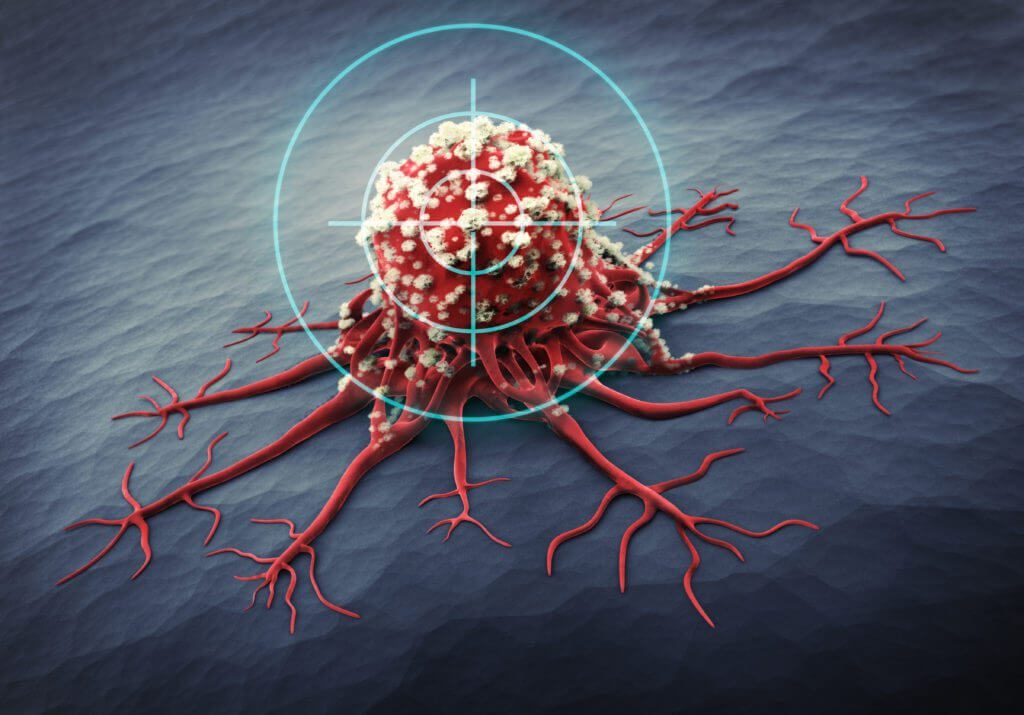
Targeted therapy is an advanced form of cancer treatment that focuses on specific genes, proteins, or molecular pathways that contribute to the growth and spread of cancer cells. Unlike traditional chemotherapy, which affects both healthy and cancerous cells, targeted therapy is designed to identify and attack cancer cells more precisely. This personalized approach can help improve treatment effectiveness while reducing damage to surrounding healthy tissues. Targeted therapy is commonly used in the treatment of various cancers, including breast cancer, lung cancer, colorectal cancer, kidney cancer, leukemia, and certain types of lymphoma. The treatment may be used alone or in combination with chemotherapy, immunotherapy, radiation therapy, or surgery, depending on the type and stage of cancer.
Targeted therapy itself is not a disease but a treatment recommended when cancer cells possess specific molecular changes or genetic mutations that drive tumor growth. These abnormalities can occur due to inherited genetic factors, environmental exposures, tobacco use, chronic infections, aging, hormonal influences, or random changes within cells over time. Modern cancer research has identified numerous molecular targets that can be tested through specialized diagnostic procedures, allowing oncologists to determine whether a patient may benefit from targeted therapy.
The need for targeted therapy is determined by the presence of cancer and its molecular characteristics rather than specific symptoms. Patients may experience symptoms related to their underlying cancer, which can vary depending on the organ affected. Common symptoms may include unexplained weight loss, persistent fatigue, pain, abnormal bleeding, chronic cough, changes in bowel or bladder habits, difficulty swallowing, lumps or swelling, and prolonged fever. Since many cancers can develop silently in their early stages, routine screenings and timely medical evaluation play a crucial role in early diagnosis and treatment planning.
Before recommending targeted therapy, a comprehensive diagnostic evaluation is performed to identify the specific characteristics of the cancer. This process typically includes a detailed medical history, physical examination, imaging studies such as CT scans, MRI scans, or PET scans, and tissue biopsy. Advanced laboratory testing, including molecular profiling, biomarker testing, genetic testing, and next-generation sequencing, may be used to detect mutations or proteins that can be targeted by specific medications. These tests help oncologists develop a personalized treatment plan tailored to the individual patient’s cancer type and genetic profile.
Targeted therapy involves the use of specialized medications that interfere with specific molecular targets involved in cancer growth and survival. These treatments may be administered as oral tablets, capsules, or intravenous infusions, depending on the medication prescribed. Different classes of targeted therapies work through various mechanisms, such as blocking growth signals, preventing blood vessel formation that feeds tumors, enhancing the immune system’s ability to recognize cancer cells, or triggering cancer cell death. In many cases, targeted therapy is combined with other cancer treatments to improve outcomes and achieve better disease control. Treatment duration varies based on the patient’s response, cancer stage, and overall treatment goals.
Ongoing monitoring is an essential part of care following targeted therapy. Regular follow-up appointments help assess treatment effectiveness, detect any signs of cancer progression, and manage potential side effects. Patients may undergo periodic blood tests, imaging studies, and clinical evaluations to track their progress. Maintaining a healthy lifestyle, including balanced nutrition, regular physical activity, adequate rest, and adherence to prescribed medications, can support overall recovery and well-being. Open communication with the oncology team is important to address any concerns and ensure optimal long-term care.
Although targeted therapy is generally more selective than conventional chemotherapy, it can still cause side effects and complications. These may include skin rashes, diarrhea, fatigue, high blood pressure, liver function abnormalities, mouth sores, nausea, changes in blood counts, and increased susceptibility to infections. Some targeted therapies may also affect heart function, lung health, or other organs in certain patients. The type and severity of side effects vary depending on the medication used and the individual’s overall health. Careful monitoring and timely management can help minimize complications and improve treatment tolerance.
Patients undergoing targeted therapy should contact their doctor if they experience persistent fever, severe fatigue, breathing difficulties, chest pain, uncontrolled diarrhea, unusual bleeding, significant skin reactions, sudden swelling, or any new or worsening symptoms. Individuals diagnosed with cancer should also seek specialist consultation to determine whether molecular testing and targeted therapy may be appropriate for their condition. Early evaluation and personalized treatment planning can significantly improve treatment outcomes and quality of life.
At Abhaya Cancer Centre, our oncology specialists provide comprehensive cancer evaluation, advanced molecular diagnostics, and personalized targeted therapy treatments tailored to each patient’s unique cancer profile. Our goal is to deliver precise, effective, and compassionate cancer care while supporting patients throughout every stage of their treatment journey.
WhatsApp us