Hematopoietic Stem Cell Transplant and Other Cellular Therapies
- Home
- Hematopoietic Stem Cell Transplant and Other Cellular Therapies


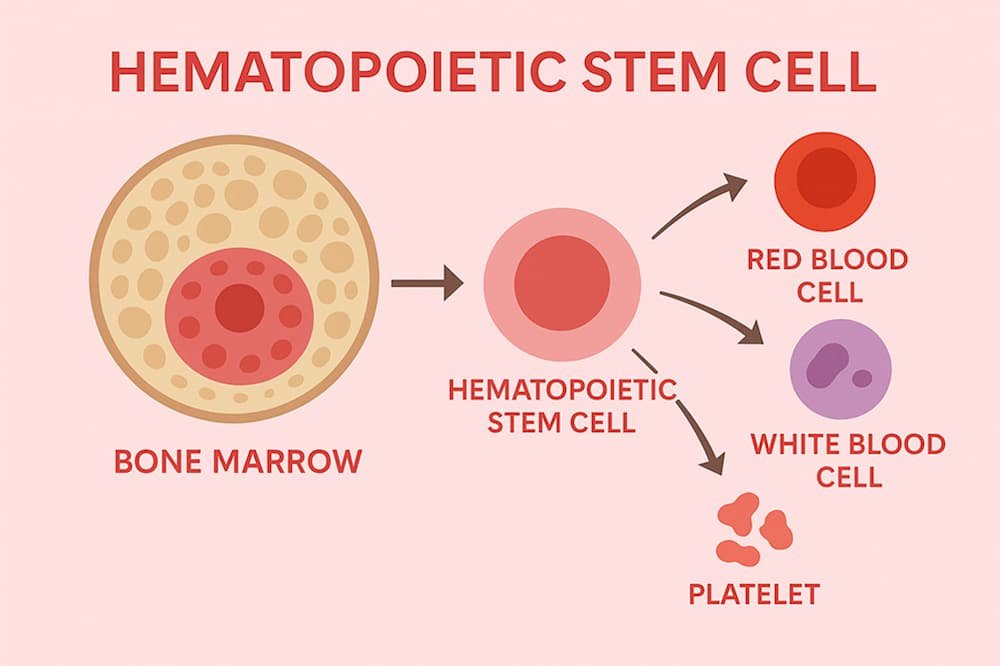
Hematopoietic Stem Cell Transplant (HSCT) and other advanced cellular therapies are specialized treatment approaches used to manage certain blood cancers, bone marrow disorders, immune system diseases, and selected genetic conditions. These therapies work by replacing damaged or diseased blood-forming stem cells with healthy stem cells, allowing the body to produce normal blood cells and restore immune function. In recent years, cellular therapies such as CAR T-cell therapy and other immune-based treatments have transformed cancer care by enabling the body’s own immune system to identify and attack cancer cells more effectively.
At Abhaya Cancer Centre, Hematopoietic Stem Cell Transplant and cellular therapies are delivered through a comprehensive, patient-centered approach that combines advanced technology, expert oncology care, and continuous monitoring to achieve the best possible outcomes.
Hematopoietic Stem Cell Transplant and cellular therapies are not diseases themselves but treatment options used for conditions that affect the blood, bone marrow, or immune system. These conditions may develop due to genetic abnormalities, environmental exposures, immune system dysfunction, infections, or unknown causes. Blood cancers such as leukemia, lymphoma, and multiple myeloma are among the most common conditions requiring stem cell transplantation. Certain inherited disorders, including thalassemia and sickle cell disease, may also benefit from these therapies. In some cases, aggressive treatments such as high-dose chemotherapy can damage bone marrow function, making stem cell transplantation necessary to restore healthy blood cell production.
The symptoms that lead to consideration of stem cell transplantation or cellular therapy depend on the underlying disease being treated. Patients with blood cancers may experience persistent fatigue, frequent infections, unexplained fever, weight loss, night sweats, easy bruising, bleeding tendencies, swollen lymph nodes, or bone pain. Individuals with bone marrow disorders may develop severe anemia, weakness, shortness of breath, or recurrent infections due to reduced blood cell production. Since these symptoms can overlap with many other medical conditions, prompt evaluation by a cancer specialist is essential for accurate diagnosis and timely treatment.
A thorough diagnostic evaluation is required before recommending Hematopoietic Stem Cell Transplant or other cellular therapies. The process typically begins with a detailed medical history and physical examination, followed by specialized blood tests to assess blood cell counts and organ function. Bone marrow aspiration and biopsy are commonly performed to evaluate the health of the bone marrow and identify abnormal cells. Imaging studies such as CT scans, PET scans, or MRI scans may be used to determine the extent of disease involvement. Genetic and molecular testing often helps identify specific mutations and guides treatment planning. For transplant candidates, additional evaluations are conducted to assess heart, lung, liver, and kidney function, ensuring that patients are suitable for the procedure.
Treatment plans are tailored to each patient’s condition, age, overall health, and treatment goals. Hematopoietic Stem Cell Transplant may involve an autologous transplant, in which a patient’s own stem cells are collected and later reinfused, or an allogeneic transplant, where stem cells are obtained from a compatible donor. Before transplantation, patients typically undergo conditioning therapy consisting of high-dose chemotherapy, with or without radiation therapy, to eliminate diseased cells and prepare the body for new stem cells.
In addition to stem cell transplantation, several advanced cellular therapies are available for selected patients. CAR T-cell therapy involves modifying a patient’s immune cells in a laboratory to recognize and destroy cancer cells more effectively. Other cellular therapies may include donor lymphocyte infusions, natural killer cell therapies, and emerging immunotherapy-based treatments. These innovative approaches offer new hope for patients whose diseases have not responded adequately to conventional treatments.
Recovery following Hematopoietic Stem Cell Transplant or cellular therapy requires careful monitoring and ongoing medical support. During the initial recovery period, patients are closely observed for infections, blood count recovery, and treatment-related side effects. Regular follow-up visits, laboratory tests, and imaging studies help assess treatment response and detect any complications early.
Patients are encouraged to maintain a healthy lifestyle, follow infection prevention measures, adhere to prescribed medications, and attend all scheduled follow-up appointments. Nutritional support, physical rehabilitation, emotional counseling, and long-term survivorship care play important roles in promoting recovery and improving quality of life after treatment.
While Hematopoietic Stem Cell Transplant and cellular therapies can be highly effective, they may also carry certain risks. Potential complications include infections, bleeding, anemia, organ dysfunction, delayed immune recovery, and side effects related to chemotherapy or conditioning treatments. In allogeneic stem cell transplantation, graft-versus-host disease (GVHD) can occur when donor immune cells attack healthy tissues in the recipient’s body.
Cellular therapies such as CAR T-cell therapy may occasionally cause immune-related reactions, including cytokine release syndrome and neurological side effects. Careful patient selection, specialized monitoring, and experienced medical management help reduce these risks and improve treatment safety.
Patients should consult a cancer specialist if they experience persistent fatigue, recurrent infections, unexplained weight loss, prolonged fever, unusual bleeding, swollen lymph nodes, or other symptoms suggestive of blood disorders or cancer. Individuals who have been diagnosed with leukemia, lymphoma, multiple myeloma, bone marrow failure syndromes, or inherited blood disorders should discuss whether stem cell transplantation or advanced cellular therapies may be appropriate treatment options.
Early consultation allows timely diagnosis, comprehensive evaluation, and access to advanced therapies that can significantly improve treatment outcomes. At Abhaya Cancer Centre, our multidisciplinary oncology team is dedicated to providing personalized care, expert guidance, and the latest evidence-based treatments to support patients throughout every stage of their cancer journey.
WhatsApp us