Uterus, Ovary & Cervix Cancer Surgery
- Home
- Uterus, Ovary & Cervix Cancer Surgery


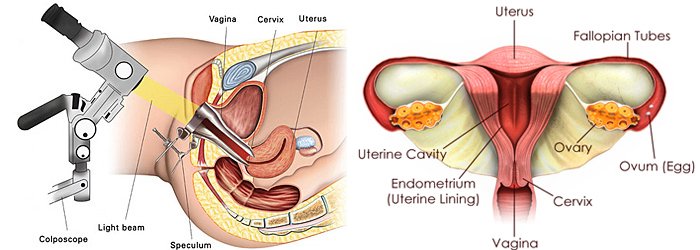
Uterus, ovary, and cervix cancers are among the most common gynecologic cancers affecting women. These cancers develop in different parts of the female reproductive system and can significantly impact a woman’s health if not diagnosed and treated at an early stage. Surgery plays a vital role in the management of these cancers and is often one of the most effective treatment options, particularly when the disease is localized. At Abhaya Cancer Centre, our experienced surgical oncology team provides comprehensive and personalized care using advanced surgical techniques to achieve the best possible outcomes while prioritizing patient safety and quality of life.
The type of surgery recommended depends on several factors, including the location of the cancer, its stage, overall health of the patient, and future reproductive considerations. Surgical treatment may involve removing the tumor, affected organs, nearby lymph nodes, or surrounding tissues to prevent the spread of cancer and improve long-term survival.
The exact cause of uterus, ovary, and cervix cancers is not always known, but several risk factors have been identified. Cervical cancer is most commonly associated with persistent infection caused by high-risk strains of the human papillomavirus (HPV). Uterine cancer is often linked to hormonal imbalances, obesity, diabetes, and prolonged exposure to estrogen without adequate progesterone. Ovarian cancer may develop due to inherited genetic mutations, family history, increasing age, and certain reproductive factors.
Other contributing factors include smoking, weakened immunity, poor lifestyle habits, lack of regular gynecological screenings, and a personal history of precancerous conditions. Understanding these risk factors can help in early detection and preventive care.
Symptoms can vary depending on the type and stage of cancer. Women with uterine cancer may experience abnormal vaginal bleeding, especially after menopause, pelvic discomfort, or unusual vaginal discharge. Cervical cancer can cause irregular bleeding between menstrual cycles, bleeding after intercourse, pelvic pain, or persistent vaginal discharge.
Ovarian cancer often presents with subtle symptoms that may be mistaken for common digestive issues. These can include abdominal bloating, pelvic pressure, frequent urination, loss of appetite, and persistent abdominal discomfort. Since symptoms may be mild during the early stages, regular health check-ups are important for timely diagnosis and treatment.
Accurate diagnosis is essential for developing an effective treatment plan. The evaluation process typically begins with a detailed medical history review and physical examination. Depending on the symptoms and clinical findings, additional investigations may include pelvic examinations, Pap smears, HPV testing, ultrasound scans, CT scans, MRI scans, and blood tests.
A biopsy is usually required to confirm the presence of cancer. Tissue samples are examined under a microscope to determine the type, grade, and extent of the disease. In some cases, diagnostic laparoscopy may be performed to assess the spread of ovarian cancer and guide treatment decisions. Early and precise diagnosis allows for more successful treatment outcomes.
Surgery remains one of the primary treatment options for uterus, ovary, and cervix cancers. The goal of surgery is to remove cancerous tissue while preserving as much healthy tissue as possible. Depending on the condition, procedures may include hysterectomy, removal of the ovaries and fallopian tubes, lymph node dissection, tumor debulking surgery, or radical pelvic surgery for advanced disease.
In addition to surgery, treatment may involve chemotherapy, radiation therapy, targeted therapy, immunotherapy, or a combination of these approaches. The treatment plan is carefully tailored to each patient based on cancer stage, pathology findings, and overall health status. A multidisciplinary team works together to ensure comprehensive cancer care from diagnosis through recovery.
Recovery after gynecologic cancer surgery requires ongoing monitoring and supportive care. Patients are provided with detailed guidance regarding wound care, physical activity, nutrition, and follow-up appointments. Regular medical reviews help detect any signs of recurrence and allow for timely intervention if needed.
Emotional well-being is also an important part of recovery. Many women may experience physical and psychological changes following treatment. Counseling, rehabilitation services, nutritional support, and survivorship programs can help patients regain confidence and improve their overall quality of life. Long-term follow-up remains essential for maintaining health and wellness after cancer treatment.
As with any major surgical procedure, cancer surgery carries certain risks. Potential complications may include bleeding, infection, blood clots, anesthesia-related issues, injury to nearby organs, or delayed wound healing. Some patients may experience changes in bladder or bowel function, hormonal effects, or fertility-related concerns depending on the extent of surgery performed.
Advanced surgical planning, modern techniques, and experienced oncology specialists help minimize these risks. Patients are carefully evaluated before surgery, and every precaution is taken to ensure a safe procedure and smooth recovery.
Women should seek medical attention if they experience abnormal vaginal bleeding, persistent pelvic pain, unusual vaginal discharge, abdominal bloating, unexplained weight loss, or any ongoing gynecological symptoms that do not improve. Early consultation is especially important for women with a family history of gynecologic cancers or known genetic risk factors.
Regular gynecological examinations, cervical cancer screening, and prompt evaluation of concerning symptoms can significantly improve the chances of early diagnosis and successful treatment. If you notice any unusual changes in your reproductive health, consulting a cancer specialist without delay can make a meaningful difference in treatment outcomes.
WhatsApp us