Robotic & Laparoscopic Surgeries
- Home
- Robotic & Laparoscopic Surgeries


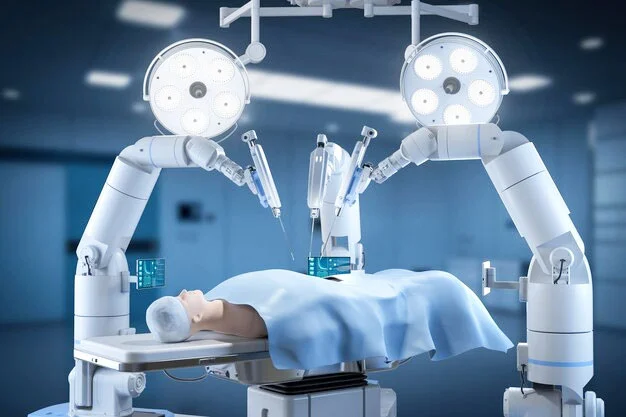
Robotic and laparoscopic surgeries represent some of the most advanced techniques in modern surgical oncology. These minimally invasive procedures are designed to treat various types of cancer and other complex medical conditions with greater precision, smaller incisions, and faster recovery times compared to traditional open surgery. Laparoscopic surgery utilizes specialized instruments and a high-definition camera inserted through small incisions, while robotic surgery enhances the surgeon’s capabilities through advanced robotic-assisted technology that provides exceptional accuracy and control.
At Abhaya Cancer Centre, robotic and laparoscopic surgical approaches are used whenever appropriate to help patients receive effective treatment while minimizing surgical trauma. These techniques have transformed cancer care by improving surgical outcomes, reducing pain, and allowing patients to return to their normal activities more quickly.
Robotic and laparoscopic surgeries are not diseases themselves but are treatment approaches used to manage various medical conditions and cancers. These procedures may be recommended for patients diagnosed with cancers of the colon, rectum, stomach, liver, pancreas, kidney, prostate, uterus, cervix, and other organs. The need for surgery often arises when tumors, abnormal growths, or cancerous tissues require removal as part of a comprehensive treatment plan.
Factors such as genetic predisposition, tobacco use, unhealthy lifestyle habits, chronic infections, obesity, environmental exposures, and advancing age can contribute to the development of cancers that may eventually require surgical intervention. Early diagnosis often increases the likelihood that minimally invasive surgical techniques can be successfully utilized.
The symptoms leading to the recommendation for robotic or laparoscopic surgery depend on the underlying condition being treated. Patients with cancer may experience unexplained weight loss, persistent fatigue, abnormal bleeding, chronic pain, changes in bowel or bladder habits, difficulty swallowing, abdominal discomfort, or the presence of a lump or swelling.
In some cases, cancers are detected during routine health screenings before symptoms become noticeable. Once a diagnosis is confirmed, surgeons evaluate whether robotic or laparoscopic techniques are suitable based on the location, size, and stage of the disease.
A thorough diagnostic evaluation is essential before planning robotic or laparoscopic surgery. This process typically includes a detailed medical history, physical examination, laboratory investigations, imaging studies such as CT scans, MRI scans, PET scans, or ultrasound examinations, and tissue biopsy to confirm the diagnosis.
Advanced imaging and staging assessments help surgeons understand the extent of the disease and determine the most effective surgical strategy. The healthcare team carefully evaluates each patient’s overall health, cancer stage, and treatment goals to ensure the safest and most beneficial approach.
Robotic and laparoscopic surgeries can be used for both cancer treatment and diagnostic procedures. During laparoscopic surgery, surgeons perform the operation through small incisions using specialized instruments and a camera that provides magnified views of internal organs. Robotic surgery further enhances precision by allowing surgeons to control robotic instruments with exceptional dexterity and accuracy.
These minimally invasive procedures can be used for tumor removal, organ preservation surgeries, lymph node dissection, cancer staging, and reconstruction when necessary. Compared with traditional open surgery, robotic and laparoscopic approaches often result in less blood loss, reduced postoperative discomfort, smaller scars, shorter hospital stays, and faster recovery. Depending on the patient’s condition, surgery may be combined with chemotherapy, radiation therapy, immunotherapy, or targeted therapy as part of a comprehensive cancer treatment plan.
Recovery following robotic or laparoscopic surgery is generally smoother than with conventional open surgery; however, proper post-treatment care remains essential. Patients are encouraged to follow their surgeon’s instructions regarding wound care, physical activity, medications, nutrition, and follow-up appointments.
Regular monitoring helps ensure proper healing and allows the medical team to detect any signs of recurrence or complications at an early stage. Maintaining a healthy lifestyle, balanced diet, adequate hydration, and gradual return to daily activities can support recovery and overall well-being. Rehabilitation and supportive care services may also be recommended when needed.
Although robotic and laparoscopic surgeries are considered safe and effective, every surgical procedure carries certain risks. Potential complications may include infection, bleeding, blood clots, anesthesia-related reactions, injury to nearby organs, delayed wound healing, or the need to convert to open surgery in specific situations.
The likelihood of complications depends on factors such as the patient’s overall health, the complexity of the procedure, and the extent of the disease being treated. Careful surgical planning, advanced technology, and experienced surgical teams significantly help reduce these risks and improve patient outcomes.
Patients should consult a doctor if they experience persistent symptoms such as unexplained weight loss, unusual bleeding, chronic pain, changes in bowel or bladder habits, difficulty swallowing, prolonged fatigue, or any abnormal lump or swelling. Early medical evaluation can lead to timely diagnosis and more treatment options, including minimally invasive surgical approaches.
Individuals who have been diagnosed with cancer or who have a strong family history of cancer should seek specialist consultation to discuss appropriate screening, diagnostic testing, and treatment strategies. Early intervention often improves treatment success and may allow patients to benefit from advanced robotic and laparoscopic surgical techniques.
WhatsApp us