Thyroid Cancer Surgery
- Home
- Thyroid Cancer Surgery

Thyroid cancer surgery is one of the most effective and commonly recommended treatments for thyroid cancer. The thyroid gland, located at the front of the neck, plays an important role in regulating metabolism, growth, and energy levels through hormone production. When cancer develops within the thyroid gland, surgery is often the primary treatment approach to remove cancerous tissue and prevent the disease from spreading to other parts of the body.
Advances in surgical techniques, diagnostic imaging, and postoperative care have significantly improved outcomes for patients with thyroid cancer. Depending on the type, size, and stage of the cancer, surgery may involve removing part of the thyroid gland (lobectomy) or the entire gland (total thyroidectomy). At Abhaya Cancer Centre, thyroid cancer surgery is performed with a focus on precision, safety, and long-term patient well-being.
The exact cause of thyroid cancer is not always known, but several factors may increase the risk of developing the disease. Genetic mutations that affect thyroid cells can cause them to grow uncontrollably and form cancerous tumors. A family history of thyroid cancer or inherited genetic syndromes may also increase susceptibility.
Exposure to high levels of radiation, particularly during childhood, is a well-established risk factor. Certain thyroid conditions such as thyroid nodules, chronic inflammation of the thyroid gland, and iodine imbalance may contribute to the development of thyroid cancer in some individuals. Although thyroid cancer can occur at any age, it is more commonly diagnosed in women and in adults between the ages of 30 and 60.
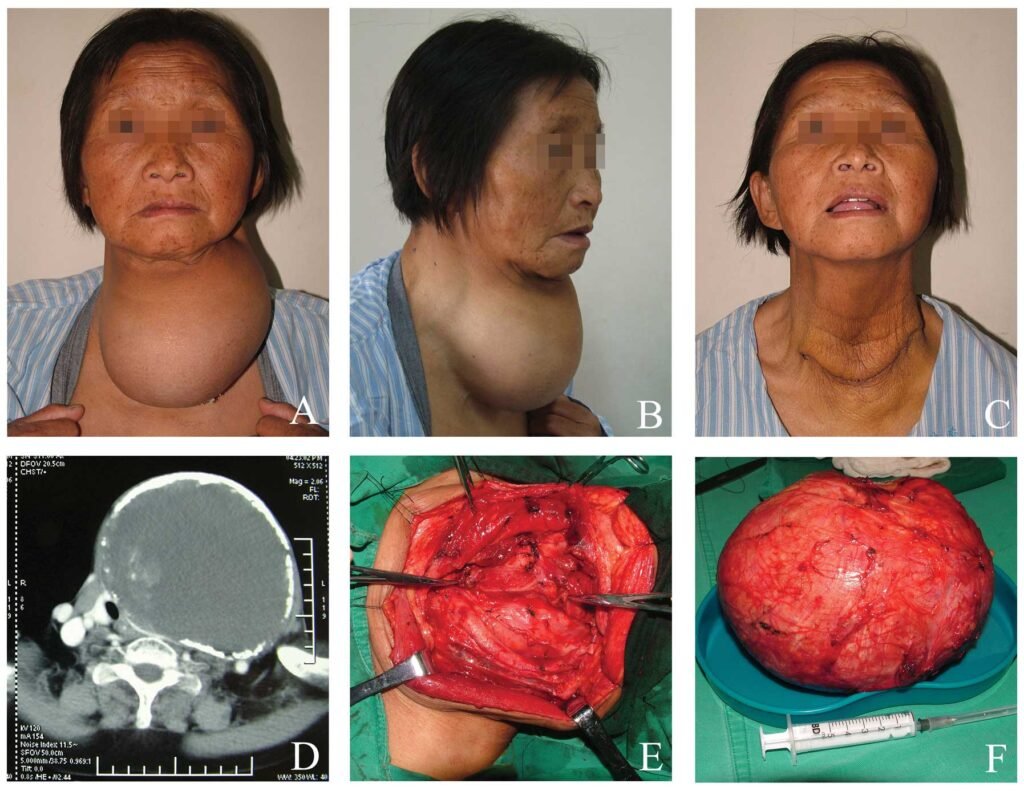
In its early stages, thyroid cancer may not produce noticeable symptoms. As the disease progresses, patients may develop a lump or swelling in the neck that can be felt or seen. This lump is often painless but should always be evaluated by a healthcare professional.
Other symptoms may include persistent hoarseness, difficulty swallowing, neck pain, breathing difficulties, enlarged lymph nodes in the neck, and changes in the voice. Some individuals may experience a sensation of pressure in the throat. Since these symptoms can also occur with non-cancerous thyroid conditions, proper medical evaluation is essential for an accurate diagnosis.
Diagnosing thyroid cancer involves a comprehensive evaluation that includes a detailed medical history, physical examination, and specialized diagnostic tests. Ultrasound imaging is commonly used to assess thyroid nodules and identify suspicious features that may indicate malignancy.
A fine-needle aspiration biopsy is often performed to collect cells from the thyroid nodule for laboratory examination. Additional investigations such as blood tests, CT scans, MRI scans, or radioactive iodine scans may be recommended to determine the extent of the disease and guide treatment planning. Accurate diagnosis helps specialists select the most appropriate surgical and therapeutic approach for each patient.
Surgery remains the cornerstone of thyroid cancer treatment. The type of surgery depends on the size of the tumor, its location, and whether the cancer has spread beyond the thyroid gland. A thyroid lobectomy involves removing one lobe of the thyroid and may be suitable for selected patients with small, localized cancers. A total thyroidectomy involves complete removal of the thyroid gland and is commonly recommended for larger tumors, aggressive cancers, or cancers affecting both sides of the gland.
In cases where cancer has spread to nearby lymph nodes, lymph node dissection may be performed during surgery. Following surgical treatment, some patients may require radioactive iodine therapy to eliminate any remaining thyroid tissue or cancer cells. Thyroid hormone replacement therapy is usually prescribed after total thyroidectomy to maintain normal hormone levels and support overall health. Additional treatments such as targeted therapy, radiation therapy, or systemic treatments may be considered for advanced or recurrent cases.
Recovery after thyroid cancer surgery involves regular monitoring and long-term follow-up care. Most patients are able to resume normal activities within a few weeks, although recovery time may vary depending on the extent of surgery and overall health. Follow-up appointments are important to evaluate healing, monitor thyroid hormone levels, and assess for any signs of recurrence.
Patients who have undergone total thyroidectomy typically require lifelong thyroid hormone replacement medication. Routine blood tests, ultrasound examinations, and other imaging studies may be recommended to ensure continued health and successful treatment outcomes. Maintaining a healthy lifestyle and following medical advice can contribute significantly to long-term recovery and quality of life.
Thyroid cancer surgery is generally safe when performed by experienced surgical specialists, but as with any surgical procedure, certain risks may exist. Potential complications include bleeding, infection, temporary or permanent changes in voice due to nerve injury, and low calcium levels caused by effects on the nearby parathyroid glands.
Some patients may experience temporary swallowing discomfort, neck stiffness, or mild pain during recovery. Serious complications are uncommon, and careful surgical planning along with expert postoperative care helps minimize risks. Discussing potential complications with the surgical team allows patients to make informed decisions and feel more confident about their treatment.
Any persistent lump or swelling in the neck should be evaluated by a healthcare professional, especially if it continues to grow or is accompanied by other symptoms. Individuals experiencing unexplained voice changes, difficulty swallowing, neck discomfort, enlarged lymph nodes, or breathing difficulties should seek medical attention promptly.
Early diagnosis and timely treatment significantly improve outcomes for thyroid cancer patients. If you have a family history of thyroid cancer, previous radiation exposure, or concerns about thyroid health, consulting a cancer specialist can help ensure appropriate evaluation and peace of mind. At Abhaya Cancer Centre, our multidisciplinary team is committed to providing comprehensive diagnosis, advanced surgical care, and compassionate support throughout every stage of thyroid cancer treatment.
WhatsApp us