Breast Cancer Surgery
- Home
- Breast Cancer Surgery


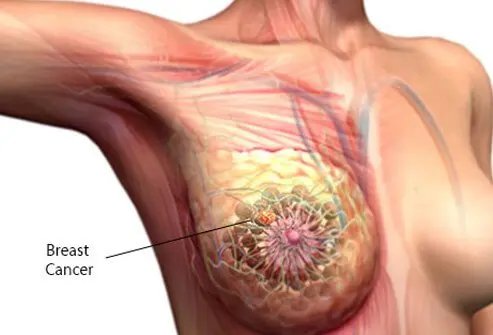
Breast cancer surgery is one of the most effective treatment options for managing and removing cancerous tumors from the breast. It plays a vital role in the treatment of breast cancer and is often combined with other therapies such as chemotherapy, radiation therapy, targeted therapy, or hormone therapy to achieve the best possible outcomes. The primary goal of breast cancer surgery is to remove the cancer while preserving as much healthy tissue as possible and reducing the risk of recurrence. Advances in surgical techniques have made breast cancer surgery safer, more precise, and more focused on maintaining both physical health and quality of life.
At Abhaya Cancer Centre, breast cancer surgery is performed using a personalized approach based on the type, stage, size, and location of the tumor, as well as the patient’s overall health and treatment goals. Our multidisciplinary team ensures comprehensive care from diagnosis through recovery and long-term follow-up.
Breast cancer develops when cells within the breast grow abnormally and multiply uncontrollably. While the exact cause is not always known, several factors can increase the risk of developing breast cancer. These include genetic mutations such as BRCA1 and BRCA2, a family history of breast or ovarian cancer, increasing age, hormonal influences, obesity, lack of physical activity, alcohol consumption, and previous exposure to radiation therapy. Certain reproductive factors, including early menstruation, late menopause, and having children later in life, may also contribute to an increased risk.
Although not all risk factors can be controlled, regular screening and early detection significantly improve treatment outcomes and survival rates.
The symptoms of breast cancer can vary from person to person. One of the most common signs is a lump or thickening in the breast or underarm area. Some individuals may notice changes in the size, shape, or appearance of the breast. Other symptoms can include nipple discharge, nipple inversion, persistent breast pain, redness or swelling of the breast, skin dimpling, or changes in the texture of the breast skin resembling an orange peel.
In many cases, early-stage breast cancer may not cause noticeable symptoms, which is why routine breast examinations and screening mammograms are essential for early detection.
Diagnosing breast cancer involves a combination of clinical evaluation, imaging studies, and tissue analysis. A physician may begin with a physical examination followed by imaging tests such as mammography, breast ultrasound, or MRI to identify suspicious abnormalities. If an abnormal area is detected, a biopsy is performed to obtain a tissue sample for laboratory examination.
Additional tests may be recommended to determine the type of breast cancer, its stage, and whether it has spread to nearby lymph nodes or other parts of the body. Accurate diagnosis helps specialists develop a personalized treatment plan and determine the most appropriate surgical approach.
Breast cancer surgery may involve different procedures depending on the extent and location of the disease. Breast-conserving surgery, also known as lumpectomy, removes the tumor and a small margin of surrounding healthy tissue while preserving most of the breast. In cases where the cancer is larger or more extensive, a mastectomy may be recommended to remove the entire breast.
Lymph node evaluation is often performed during surgery to determine whether cancer has spread beyond the breast. Sentinel lymph node biopsy and axillary lymph node dissection are common procedures used for this purpose. For eligible patients, breast reconstruction surgery may be performed either immediately after cancer removal or at a later stage to restore the breast’s appearance.
Depending on the stage and characteristics of the cancer, surgery may be combined with chemotherapy, radiation therapy, hormone therapy, immunotherapy, or targeted therapy to improve treatment effectiveness and reduce the risk of recurrence.
Recovery following breast cancer surgery requires ongoing medical supervision and supportive care. Patients are provided with detailed instructions regarding wound care, activity restrictions, pain management, and follow-up appointments. Physical therapy and rehabilitation exercises may be recommended to improve shoulder movement and reduce stiffness after surgery.
Emotional and psychological support also plays an important role in recovery. Regular follow-up visits help monitor healing, assess treatment response, and detect any signs of recurrence. Maintaining a healthy lifestyle, including balanced nutrition, regular exercise, and adherence to prescribed medications, can contribute significantly to long-term well-being.
As with any surgical procedure, breast cancer surgery carries certain risks. Potential complications may include bleeding, infection, delayed wound healing, fluid accumulation, pain, numbness, or changes in breast sensation. Some patients may experience swelling of the arm, known as lymphedema, particularly when lymph nodes are removed.
While complications are generally uncommon and manageable, patients should discuss potential risks with their surgeon before treatment. Careful surgical planning and appropriate post-operative care help minimize these risks and support a smooth recovery.
It is important to seek medical attention if you notice a breast lump, unexplained breast pain, changes in breast shape or size, nipple discharge, skin changes, or swelling in the breast or underarm area. Early evaluation of any unusual breast symptoms can lead to timely diagnosis and more effective treatment.
Women should also follow recommended breast cancer screening guidelines and attend regular medical check-ups, especially if they have a family history of breast cancer or other significant risk factors. Early detection remains one of the most powerful tools in improving breast cancer treatment outcomes and survival rates.
WhatsApp us