External Beam Radiation Therapy (EBRT)
- Home
- External Beam Radiation Therapy (EBRT)


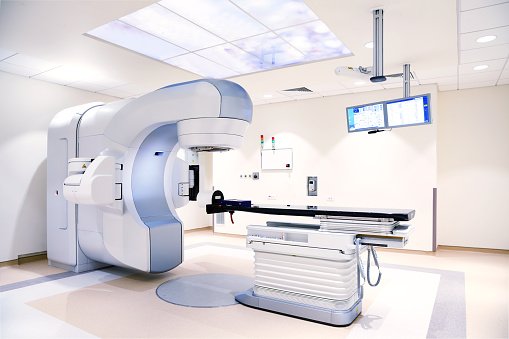
External Beam Radiation Therapy (EBRT) is one of the most commonly used and effective cancer treatments available today. It uses high-energy radiation beams generated by a machine outside the body to precisely target and destroy cancer cells while minimizing damage to surrounding healthy tissues. EBRT plays a vital role in the treatment of many types of cancers, either as a primary treatment or in combination with surgery, chemotherapy, immunotherapy, or targeted therapies. Modern radiation technology allows oncologists to deliver highly accurate treatment, improving outcomes and reducing side effects for patients.
EBRT is a non-invasive procedure, meaning no surgical incisions are required. Treatment is carefully planned using advanced imaging techniques to ensure the radiation reaches the tumor with maximum precision. Depending on the type, location, and stage of cancer, treatment may be delivered over several sessions spread across days or weeks.
External Beam Radiation Therapy is not used to treat a specific cause but rather to manage cancers and certain non-cancerous conditions that arise due to abnormal cell growth. Cancer can develop due to a combination of factors, including genetic mutations, tobacco use, excessive alcohol consumption, exposure to harmful chemicals, chronic infections, environmental factors, radiation exposure, obesity, and family history. When cancer cells grow uncontrollably and form tumors, EBRT may be recommended to destroy these cells, shrink tumors, relieve symptoms, or reduce the risk of recurrence.
In some situations, EBRT is also used to treat benign tumors and certain medical conditions where targeted radiation can provide therapeutic benefits.
The symptoms that lead to the recommendation of EBRT depend on the type and location of the cancer being treated. Patients may experience persistent pain, unexplained weight loss, fatigue, abnormal bleeding, difficulty swallowing, chronic cough, changes in bowel or bladder habits, lumps or swelling, or neurological symptoms such as headaches and weakness. In many cases, cancer may be detected through routine screening before noticeable symptoms develop.
The presence and severity of symptoms vary from person to person, and a thorough medical evaluation helps determine whether radiation therapy is an appropriate treatment option.
Before External Beam Radiation Therapy is planned, a detailed diagnostic assessment is performed to understand the cancer’s type, size, location, and stage. This evaluation typically includes physical examinations, blood tests, imaging studies such as CT scans, MRI scans, PET scans, or ultrasound examinations, and tissue biopsy analysis. These investigations help radiation oncologists accurately identify the treatment area and develop a personalized radiation plan.
Advanced treatment planning systems use sophisticated imaging and computer-guided technology to map the tumor and surrounding organs, ensuring precise delivery of radiation while protecting healthy tissues as much as possible.
External Beam Radiation Therapy can be used in several ways depending on the patient’s condition. It may serve as the primary treatment for certain cancers, especially when surgery is not possible or necessary. It is frequently used after surgery to eliminate any remaining cancer cells and reduce the risk of recurrence. In some cases, EBRT is combined with chemotherapy to enhance treatment effectiveness.
Modern forms of EBRT include Intensity-Modulated Radiation Therapy (IMRT), Image-Guided Radiation Therapy (IGRT), Stereotactic Body Radiation Therapy (SBRT), and Volumetric Modulated Arc Therapy (VMAT). These advanced techniques allow highly targeted treatment with improved accuracy and reduced exposure to healthy tissues. Radiation therapy may also be used for palliative care to relieve pain and improve quality of life in patients with advanced-stage cancers.
Following External Beam Radiation Therapy, patients require regular follow-up visits to monitor treatment response and manage any side effects. Most individuals can continue many of their normal daily activities during treatment, although temporary fatigue is common. Maintaining a balanced diet, staying well hydrated, getting adequate rest, and following medical advice can support recovery and overall well-being.
Follow-up imaging studies and clinical evaluations help assess treatment success and detect any signs of recurrence. Patients should communicate any new symptoms or concerns to their healthcare team to ensure timely intervention and ongoing support.
External Beam Radiation Therapy is generally safe and well tolerated, particularly with modern treatment techniques. However, side effects can occur depending on the area being treated, the radiation dose, and individual patient factors. Common side effects may include fatigue, skin irritation, redness, swelling, temporary hair loss in the treated area, and localized discomfort.
Some patients may experience site-specific effects, such as difficulty swallowing, bowel changes, urinary symptoms, or dry mouth, depending on the treatment location. Most side effects improve gradually after treatment is completed, although some long-term effects may occur in certain cases. Careful treatment planning and regular monitoring help minimize these risks.
Patients should consult a doctor if they experience persistent symptoms suggestive of cancer, such as unexplained weight loss, abnormal bleeding, prolonged pain, persistent lumps, chronic cough, difficulty swallowing, or unusual changes in bodily functions. Individuals undergoing External Beam Radiation Therapy should also seek medical attention if they develop severe side effects, worsening symptoms, signs of infection, significant skin reactions, or any new health concerns during or after treatment.
Early diagnosis and timely treatment play a crucial role in improving outcomes. Regular medical follow-ups and prompt communication with a cancer specialist can help ensure the best possible treatment experience and long-term care.
WhatsApp us