Stereotactic Body Radiation Therapy (SBRT) / Stereotactic Radiosurgery (SRS)
- Home
- Stereotactic Body Radiation Therapy (SBRT) / Stereotactic Radiosurgery (SRS)

Stereotactic Body Radiation Therapy (SBRT) and Stereotactic Radiosurgery (SRS) are advanced radiation treatment techniques that deliver highly precise, high-dose radiation to tumors while minimizing exposure to surrounding healthy tissues. Despite the term “surgery” in SRS, no actual surgical incision is involved. These treatments use sophisticated imaging and computer-guided technology to target cancerous or abnormal tissue with exceptional accuracy.
SRS is commonly used for treating tumors and certain non-cancerous conditions within the brain and central nervous system, while SBRT is primarily used for tumors located in other parts of the body, such as the lungs, liver, spine, pancreas, and prostate. Because of their precision, SBRT and SRS often require fewer treatment sessions compared to conventional radiation therapy, making them effective and convenient options for many patients.
SBRT and SRS are not treatments for symptoms alone but are recommended for specific medical conditions and tumors. Patients may require these advanced therapies for primary cancers, metastatic tumors that have spread from another part of the body, recurrent cancers, or certain benign tumors. Brain metastases, lung nodules, liver lesions, spinal tumors, prostate cancer, and pancreatic cancer are among the conditions commonly treated with these techniques.
These treatments are especially beneficial when tumors are small, well-defined, or located near critical structures where conventional surgery may carry higher risks. SBRT and SRS may also be considered for patients who are not suitable candidates for surgery due to age, medical conditions, or the location of the tumor.
The symptoms leading to evaluation and eventual treatment with SBRT or SRS depend on the type and location of the tumor. Brain tumors may cause headaches, seizures, vision changes, dizziness, weakness, or difficulty with speech and coordination. Lung tumors may present with persistent cough, shortness of breath, chest pain, or coughing up blood.
Tumors in the liver, pancreas, spine, or prostate can produce symptoms such as abdominal discomfort, unexplained weight loss, back pain, urinary difficulties, fatigue, or reduced appetite. In some cases, tumors may be discovered during routine imaging studies before symptoms become noticeable. Any persistent or unexplained symptom should be evaluated by a healthcare professional for timely diagnosis and treatment.
A thorough diagnostic evaluation is essential before recommending SBRT or SRS. The process typically begins with a detailed medical history, physical examination, and advanced imaging studies such as CT scans, MRI scans, or PET-CT scans. These imaging techniques help determine the size, location, and extent of the tumor.
In many cases, a biopsy may be required to confirm the diagnosis and identify the specific type of cancer. Once the diagnosis is established, radiation oncologists use specialized planning software to create a customized treatment plan. This planning process ensures that radiation is delivered accurately to the target while protecting nearby healthy organs and tissues.
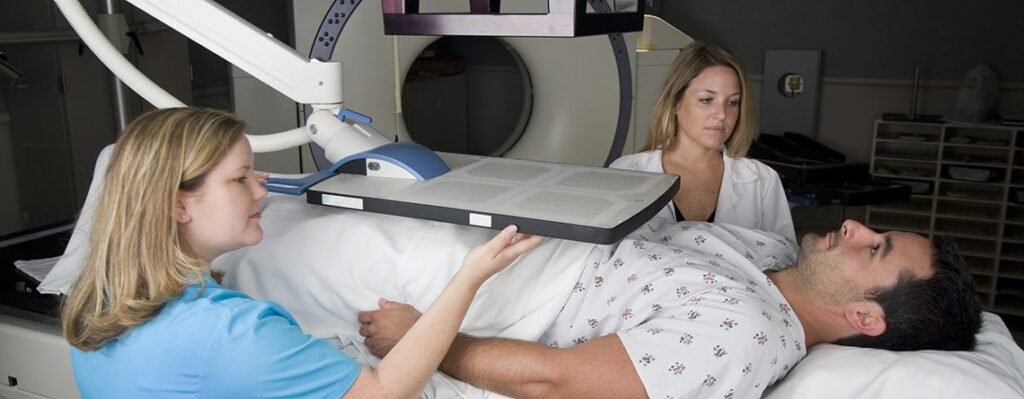
SBRT and SRS are among the most advanced forms of radiation therapy available today. Treatment planning involves detailed imaging and precise mapping of the tumor. During the procedure, patients are positioned carefully to ensure accuracy, and sophisticated equipment delivers concentrated radiation beams directly to the target area.
SRS is often completed in a single session or a few sessions and is primarily used for brain tumors, brain metastases, and selected neurological conditions. SBRT typically involves a small number of treatment sessions over several days and is widely used for tumors in the lungs, liver, spine, pancreas, and prostate.
Depending on the type and stage of cancer, SBRT or SRS may be used alone or in combination with other treatments such as surgery, chemotherapy, immunotherapy, targeted therapy, or hormone therapy. The treatment approach is individualized based on each patient’s condition, overall health, and treatment goals.
After SBRT or SRS, most patients can return to their normal activities relatively quickly. Regular follow-up appointments are important to monitor treatment response and assess overall recovery. Imaging studies may be scheduled periodically to evaluate tumor control and detect any changes over time.
Patients are encouraged to maintain a healthy lifestyle, stay hydrated, follow dietary recommendations, and report any new or persistent symptoms to their healthcare team. Ongoing communication with the oncology team helps ensure optimal recovery and long-term outcomes.
SBRT and SRS are generally well tolerated and have a lower risk of side effects compared to many conventional treatment approaches. However, as with any medical treatment, certain complications can occur. Common side effects may include fatigue, mild skin irritation, swelling, nausea, headaches, or temporary discomfort in the treated area.
The risk of complications depends on the location of the tumor and the dose of radiation delivered. Rarely, patients may experience inflammation of nearby tissues, nerve-related symptoms, or delayed effects on surrounding organs. Careful treatment planning and close monitoring significantly reduce these risks and help ensure patient safety.
Patients should seek medical attention if they experience persistent symptoms such as unexplained headaches, seizures, prolonged cough, breathing difficulties, unexplained weight loss, ongoing pain, neurological changes, or any unusual symptoms that do not improve. Early evaluation can lead to timely diagnosis and more effective treatment options.
Individuals who have been diagnosed with cancer or who have tumors that are difficult to treat surgically should consult a radiation oncologist to determine whether SBRT or SRS may be an appropriate treatment option. Early intervention and expert cancer care can improve outcomes and enhance quality of life.
At Abhaya Cancer Centre, our experienced oncology team utilizes advanced radiation technologies, including Stereotactic Body Radiation Therapy (SBRT) and Stereotactic Radiosurgery (SRS), to provide precise, effective, and personalized cancer treatment. Our goal is to deliver the highest standard of care while prioritizing patient safety, comfort, and long-term well-being.
WhatsApp us