Image Guided Radiation Therapy (IGRT)
- Home
- Image Guided Radiation Therapy (IGRT)

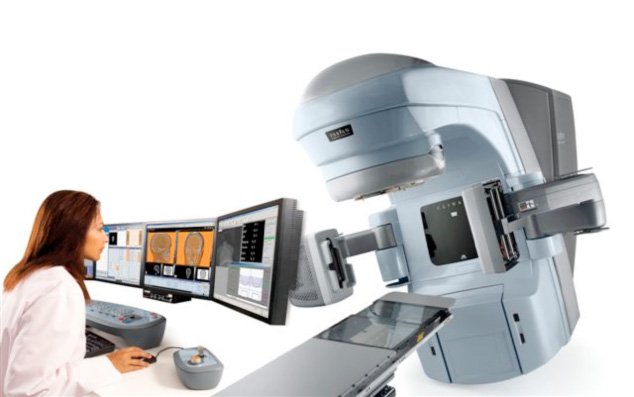
Image Guided Radiation Therapy (IGRT) is an advanced form of radiation treatment that uses highly detailed imaging technology to accurately target cancerous tumors during each treatment session. Unlike conventional radiation therapy, IGRT allows radiation oncologists to visualize the tumor immediately before and during treatment, ensuring precise delivery of radiation while minimizing exposure to healthy surrounding tissues. This approach is particularly beneficial for tumors that may move due to breathing, digestion, or changes in body position. IGRT has significantly improved the safety, accuracy, and effectiveness of radiation therapy for many types of cancer, including prostate, lung, head and neck, breast, and gastrointestinal cancers.
IGRT itself is not a condition but a specialized treatment technique used when cancer requires highly precise radiation delivery. It is commonly recommended for tumors located near critical organs or structures where even slight movement can affect treatment accuracy. Patients with cancers that shift position during normal bodily functions, such as lung tumors moving with breathing or prostate tumors affected by bladder and bowel changes, often benefit from IGRT. The technology is used to address the challenges associated with tumor motion and anatomical changes throughout the treatment process.
The symptoms that lead to the need for IGRT depend on the type and location of cancer being treated. Patients may experience symptoms such as persistent pain, unexplained weight loss, difficulty swallowing, chronic cough, changes in bowel or bladder habits, fatigue, abnormal bleeding, or the presence of a lump or mass. Since IGRT is a treatment method rather than a disease, symptoms are generally related to the underlying cancer diagnosis rather than the therapy itself.
Before recommending IGRT, a comprehensive evaluation is performed to determine the type, stage, and location of cancer. Diagnostic procedures may include physical examinations, blood tests, imaging studies such as CT scans, MRI scans, PET scans, and tissue biopsies. Once cancer is confirmed, detailed treatment planning scans are conducted to map the exact size, shape, and position of the tumor. These images help radiation oncologists create a personalized treatment plan that maximizes tumor control while protecting nearby healthy tissues.
IGRT is often integrated with modern radiation therapy techniques such as Intensity-Modulated Radiation Therapy (IMRT), Stereotactic Body Radiation Therapy (SBRT), and other precision-based radiation treatments. During each session, advanced imaging systems capture real-time images of the treatment area, allowing clinicians to verify the tumor’s position and make necessary adjustments before radiation delivery. This level of accuracy enables higher doses of radiation to be administered directly to the tumor while reducing the risk of damage to surrounding organs. Depending on the type and stage of cancer, IGRT may be used alone or in combination with surgery, chemotherapy, immunotherapy, or targeted therapy.
Following IGRT, patients require regular follow-up appointments to monitor treatment response and manage any side effects. Recovery and aftercare vary depending on the cancer type and the area treated. Patients are encouraged to maintain a healthy diet, stay hydrated, get adequate rest, and follow all recommendations provided by their oncology team. Periodic imaging studies and clinical evaluations help assess tumor response and ensure early detection of any recurrence. Supportive care services may also be recommended to improve overall quality of life during recovery.
IGRT is considered a highly precise and safe treatment option; however, some patients may experience side effects related to radiation therapy. These can include fatigue, skin irritation, localized swelling, temporary discomfort in the treated area, and changes in organ function depending on the treatment site. In most cases, side effects are manageable and improve after treatment completion. The advanced imaging and targeting capabilities of IGRT significantly reduce the likelihood of radiation-related complications compared to conventional radiation techniques. Your radiation oncology team will closely monitor your condition and provide guidance for managing any treatment-related concerns.
Patients should consult a cancer specialist if they experience persistent symptoms such as unexplained weight loss, ongoing pain, unusual bleeding, chronic cough, difficulty swallowing, changes in bowel or bladder habits, or any new lump or swelling. Individuals undergoing IGRT should also contact their healthcare provider if they develop severe side effects, worsening symptoms, fever, significant fatigue, or any unexpected health concerns during or after treatment. Early medical evaluation and timely treatment play a vital role in achieving the best possible outcomes and improving long-term cancer care.
At Abhaya Cancer Centre, our experienced radiation oncology team utilizes advanced Image Guided Radiation Therapy (IGRT) technology to deliver precise, personalized, and effective cancer treatment. Our focus is on maximizing treatment success while ensuring patient safety, comfort, and quality of life throughout every stage of care.
WhatsApp us