Intensity Modulated Radiation Therapy (IMRT) / VMAT (RapidArc)
- Home
- Intensity Modulated Radiation Therapy (IMRT) / VMAT (RapidArc)

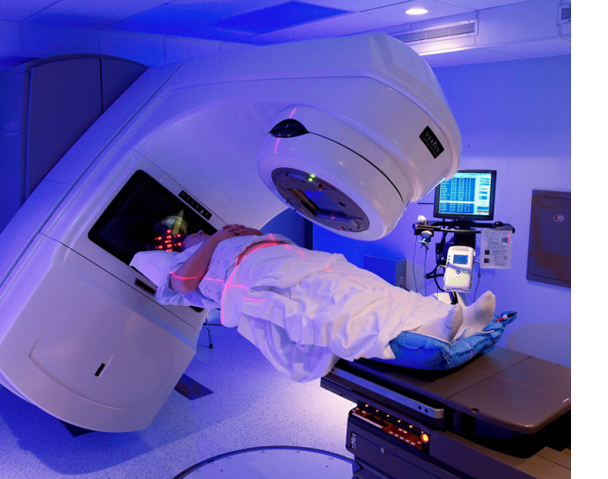
Intensity Modulated Radiation Therapy (IMRT) and Volumetric Modulated Arc Therapy (VMAT), also known as RapidArc, are advanced forms of radiation therapy used to treat various types of cancer with exceptional precision. These modern radiation techniques deliver highly targeted radiation doses directly to cancerous tissues while minimizing exposure to nearby healthy organs and structures. By using sophisticated computer-guided planning and image-based treatment delivery, IMRT and VMAT help improve treatment effectiveness while reducing side effects.
VMAT is an advanced evolution of IMRT that delivers radiation continuously as the treatment machine rotates around the patient. This approach allows for faster treatment sessions while maintaining a high degree of accuracy. These technologies are commonly used for cancers of the head and neck, prostate, breast, lung, brain, gastrointestinal tract, and gynecological organs. At Abhaya Cancer Centre, IMRT and VMAT treatments are carefully planned and customized to meet each patient’s specific medical needs.
IMRT and VMAT are not treatments for a single disease but are used to manage cancers that develop due to various risk factors. Cancer may arise from genetic mutations, family history, tobacco use, alcohol consumption, prolonged exposure to radiation, environmental pollutants, unhealthy lifestyle habits, chronic infections, or age-related cellular changes. When cancer is diagnosed and radiation therapy is recommended as part of the treatment plan, advanced techniques such as IMRT and VMAT may be chosen to maximize treatment precision and outcomes.
The symptoms that lead to the use of IMRT or VMAT depend on the type and location of the cancer being treated. Patients may experience unexplained weight loss, persistent fatigue, chronic pain, abnormal bleeding, difficulty swallowing, persistent cough, changes in bowel or bladder habits, lumps or swelling, headaches, or other symptoms related to the affected organ. Since many cancers may not cause symptoms in their early stages, regular screenings and timely medical evaluations play a crucial role in early detection and successful treatment.
Before recommending IMRT or VMAT, a comprehensive diagnostic evaluation is performed to determine the type, stage, and extent of cancer. This typically includes a detailed medical history, physical examination, blood investigations, imaging studies such as CT scans, MRI scans, PET scans, or ultrasound examinations, and biopsy procedures to confirm the diagnosis. Once cancer is identified, specialized radiation planning scans are conducted to precisely map the tumor and surrounding healthy tissues. Advanced treatment planning software is then used to design a personalized radiation treatment plan that delivers the optimal dose while protecting critical organs.
IMRT and VMAT are among the most advanced radiation treatment options available in modern oncology. These techniques use multiple radiation beams of varying intensities to conform closely to the shape of the tumor. This allows higher radiation doses to be concentrated on cancer cells while minimizing damage to surrounding healthy tissues.
VMAT further enhances treatment efficiency by delivering radiation during a continuous rotation of the treatment machine around the patient. This significantly reduces treatment time while maintaining exceptional precision. Depending on the type and stage of cancer, IMRT or VMAT may be used alone or in combination with surgery, chemotherapy, immunotherapy, targeted therapy, or hormone therapy. The treatment course is carefully tailored to each patient’s condition, ensuring the best possible balance between effectiveness and safety.
After completing IMRT or VMAT treatment, ongoing follow-up care is essential to monitor recovery and assess treatment response. Patients may undergo periodic clinical examinations, imaging studies, and laboratory tests to evaluate progress and detect any signs of recurrence. Maintaining a healthy lifestyle, consuming a balanced diet, staying physically active, and following the care instructions provided by the oncology team can support recovery and overall well-being.
Many patients gradually experience improvement in treatment-related side effects after therapy is completed. Regular communication with healthcare providers ensures that any concerns or symptoms are addressed promptly and effectively.
Although IMRT and VMAT are designed to minimize side effects, some patients may still experience temporary or long-term treatment-related effects depending on the area being treated. Common side effects may include fatigue, skin irritation, mild discomfort, changes in appetite, or localized inflammation. Specific side effects can vary based on the cancer site and the radiation dose delivered.
In rare cases, radiation therapy may affect nearby organs or tissues, leading to more significant complications. However, advanced planning techniques and precise image guidance substantially reduce these risks compared to conventional radiation therapy. Patients are closely monitored throughout treatment to ensure any side effects are managed effectively and promptly.
Patients should consult a cancer specialist if they experience persistent symptoms such as unexplained weight loss, unusual bleeding, chronic pain, difficulty swallowing, prolonged cough, new lumps, or any other concerning health changes. Individuals who have been diagnosed with cancer and wish to explore advanced radiation treatment options should also seek expert evaluation.
Patients currently undergoing IMRT or VMAT should contact their healthcare provider if they experience severe side effects, worsening symptoms, fever, difficulty eating or drinking, significant fatigue, or any unexpected health concerns. Early medical attention can help manage complications effectively and improve treatment outcomes.
At Abhaya Cancer Centre, our experienced oncology team is committed to delivering advanced IMRT and VMAT (RapidArc) treatments with precision, safety, and compassionate care. Our goal is to provide personalized cancer treatment plans that maximize effectiveness while preserving quality of life for every patient.
WhatsApp us