Adaptive Radiation Therapy (ART)
- Home
- Adaptive Radiation Therapy (ART)

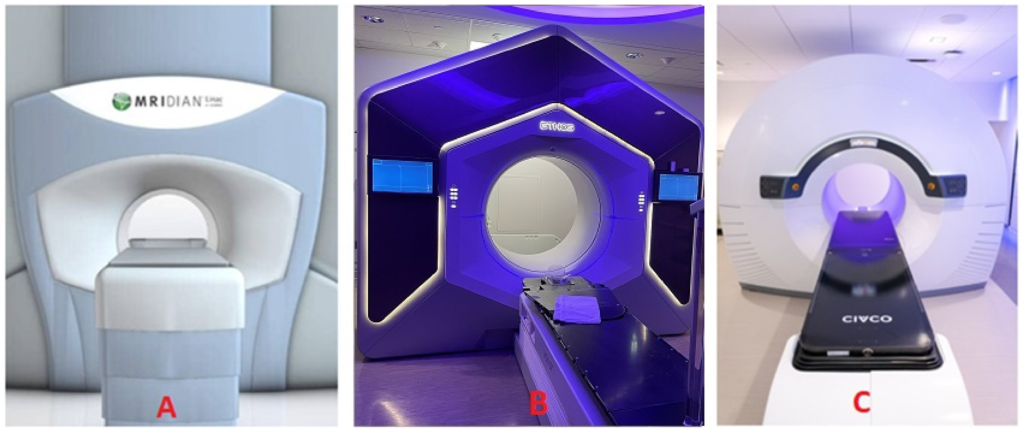
Adaptive Radiation Therapy (ART) is an advanced form of radiation treatment that allows doctors to modify and adjust a patient’s treatment plan throughout the course of therapy. Unlike conventional radiation therapy, which follows a fixed treatment plan from start to finish, ART uses ongoing imaging and assessment to account for changes in the tumor’s size, shape, or position, as well as changes in the patient’s anatomy. This personalized approach helps deliver radiation more precisely to cancerous tissues while minimizing exposure to surrounding healthy organs and structures. Adaptive Radiation Therapy is particularly beneficial for cancers that are prone to change during treatment, improving both treatment accuracy and patient outcomes.
Adaptive Radiation Therapy itself is not used to treat a specific cause but is employed when certain conditions make standard radiation therapy less effective. Tumors may shrink, grow, or shift position during treatment due to the body’s response to radiation or chemotherapy. Weight loss, swelling reduction, organ movement, and other anatomical changes can also alter the original treatment setup. These variations can affect the precision of radiation delivery. ART is designed to address these changes by continuously adapting the treatment plan, ensuring that radiation remains accurately targeted throughout the treatment process.
The symptoms associated with conditions requiring Adaptive Radiation Therapy depend on the type and location of cancer being treated. Patients may experience symptoms such as persistent pain, unexplained weight loss, fatigue, difficulty swallowing, chronic cough, changes in bowel or bladder habits, abnormal bleeding, or the presence of a lump or swelling. In many cases, the need for ART is determined not by specific symptoms but by imaging findings that show significant changes in tumor size or patient anatomy during treatment.
Before recommending Adaptive Radiation Therapy, specialists conduct a comprehensive evaluation that includes a detailed medical history, physical examination, and advanced imaging studies. Diagnostic tools such as CT scans, MRI scans, PET scans, and other imaging technologies help determine the exact location, size, and extent of the tumor. During the course of radiation treatment, repeated imaging is performed to monitor changes in the tumor and surrounding tissues. These assessments allow the radiation oncology team to identify when modifications to the treatment plan may be necessary, ensuring optimal treatment precision and effectiveness.
Adaptive Radiation Therapy is an advanced treatment approach integrated into modern radiation oncology. Using sophisticated imaging systems and specialized treatment planning software, clinicians evaluate changes in the patient’s anatomy throughout the treatment period and make necessary adjustments to radiation delivery. ART may be used alone or in combination with other cancer treatments such as chemotherapy, immunotherapy, targeted therapy, or surgery, depending on the cancer type and stage. This adaptive approach helps improve tumor targeting, enhance treatment effectiveness, and reduce radiation exposure to nearby healthy tissues, potentially lowering the risk of treatment-related side effects.
After completing Adaptive Radiation Therapy, regular follow-up care is essential to monitor recovery and assess treatment outcomes. Patients may undergo periodic imaging scans, laboratory tests, and clinical evaluations to track their response to treatment and detect any signs of recurrence. Maintaining a healthy lifestyle, following nutritional recommendations, staying physically active as advised, and attending all scheduled follow-up appointments can support recovery and long-term well-being. The healthcare team will also provide guidance on managing any temporary side effects and maintaining overall health after treatment.
Although Adaptive Radiation Therapy is designed to improve treatment accuracy and reduce side effects, some risks and complications may still occur. These can vary depending on the area being treated and the radiation dose received. Patients may experience fatigue, skin irritation, localized discomfort, inflammation, or temporary changes in organ function. In rare cases, radiation-related damage to nearby healthy tissues may occur. However, the adaptive nature of ART significantly helps reduce these risks by continuously optimizing treatment delivery throughout the therapy course.
Patients should consult a doctor if they experience persistent or worsening symptoms that may be associated with cancer, such as unexplained weight loss, ongoing pain, unusual bleeding, difficulty swallowing, chronic fatigue, or the development of new lumps or swellings. Individuals currently undergoing radiation therapy should also contact their healthcare provider if they notice severe side effects, unexpected changes in their condition, or concerns about treatment tolerance. Early medical evaluation and timely intervention can play an important role in achieving the best possible treatment outcomes and maintaining quality of life.
WhatsApp us