Prostate Cancer
- Home
- Prostate Cancer


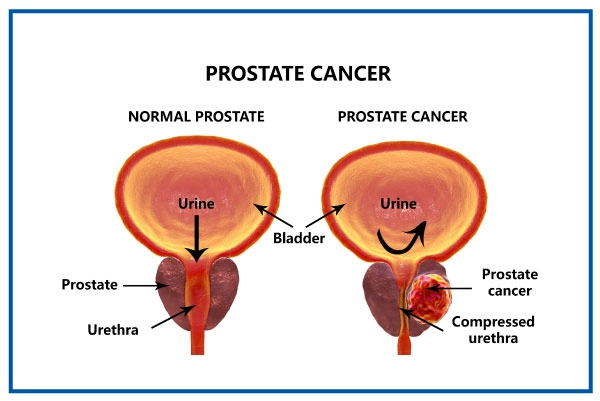
Prostate cancer is one of the most common cancers affecting men and develops in the prostate gland, a small gland located below the bladder that plays an important role in male reproductive health. In many cases, prostate cancer grows slowly and may remain confined to the prostate for years without causing significant symptoms. However, some forms can be more aggressive and may spread to nearby tissues or other parts of the body if not diagnosed and treated early. Early detection, timely medical care, and modern treatment approaches have significantly improved outcomes for patients with prostate cancer.
At Abhaya Cancer Centre, we provide comprehensive and personalized prostate cancer care using advanced diagnostic methods and evidence-based treatment strategies. Our multidisciplinary approach focuses not only on effective cancer treatment but also on maintaining the patient’s quality of life, urinary function, and overall well-being throughout recovery.
The exact cause of prostate cancer is not always clearly understood, but it occurs when abnormal cells begin to grow uncontrollably within the prostate gland. Several factors can increase the risk of developing this condition. Age is one of the most significant risk factors, with prostate cancer being more common in men above the age of 50. A family history of prostate cancer may also increase the likelihood of developing the disease, especially when close relatives have been diagnosed at a younger age.
Hormonal influences, genetic mutations, obesity, unhealthy dietary habits, smoking, and a sedentary lifestyle may also contribute to the development of prostate cancer. In some cases, chronic inflammation of the prostate or exposure to certain environmental factors may play a role. Although risk factors can increase susceptibility, prostate cancer can also occur in individuals without any known family history or major risk factors.
In its early stages, prostate cancer may not cause noticeable symptoms. As the condition progresses, patients may experience changes in urinary habits such as frequent urination, difficulty starting or stopping urine flow, weak urine stream, or a feeling of incomplete bladder emptying. Some men may notice pain or burning during urination, blood in the urine or semen, and discomfort in the pelvic area.
Advanced prostate cancer may spread to nearby tissues or bones, leading to persistent back pain, hip pain, unexplained weight loss, fatigue, or weakness. Erectile dysfunction and discomfort during ejaculation may also occur in certain cases. Since many symptoms of prostate cancer can resemble non-cancerous prostate conditions, proper medical evaluation is essential for accurate diagnosis.
Diagnosing prostate cancer involves a detailed clinical evaluation and a combination of advanced diagnostic tests. Doctors may begin with a physical examination and assessment of the patient’s medical history, symptoms, and family history. A Prostate-Specific Antigen (PSA) blood test is commonly used to detect abnormal levels that may indicate prostate disease.
A digital rectal examination may help identify abnormalities in the prostate gland. If further evaluation is required, imaging studies such as MRI scans, ultrasound, or PET scans may be recommended to assess the extent of the disease. A prostate biopsy remains the most definitive method for confirming the presence of cancer cells. Once diagnosed, staging investigations help determine whether the cancer is localized or has spread beyond the prostate, allowing specialists to create a personalized treatment plan.
Treatment for prostate cancer depends on several factors including the stage of cancer, tumor aggressiveness, patient age, overall health, and personal preferences. For slow-growing and low-risk cancers, active surveillance may be advised, where the condition is closely monitored with regular follow-up tests and scans.
Surgery is a common treatment option for localized prostate cancer and may involve removal of the prostate gland through open, laparoscopic, or robotic-assisted procedures. Radiation therapy uses high-energy beams to destroy cancer cells and may be recommended either as a primary treatment or after surgery. Hormone therapy may be used to reduce testosterone levels that can stimulate cancer growth.
In advanced or metastatic prostate cancer, chemotherapy, targeted therapy, immunotherapy, or combination treatments may be recommended to control disease progression and relieve symptoms. Modern cancer treatments aim to maximize treatment success while minimizing side effects and preserving the patient’s quality of life.
Recovery and long-term follow-up care are important aspects of prostate cancer management. After treatment, patients may require regular PSA testing, imaging studies, and consultations to monitor for recurrence and evaluate overall recovery. Some individuals may experience temporary or long-term side effects such as urinary incontinence, erectile dysfunction, bowel discomfort, fatigue, or emotional stress.
Supportive care, physiotherapy, nutritional guidance, pain management, and counseling services can help patients regain strength and improve daily functioning. Lifestyle modifications including a balanced diet, regular physical activity, smoking cessation, and stress management may also support overall health and long-term recovery.
If left untreated, prostate cancer can spread to nearby organs, lymph nodes, or bones, leading to serious complications. Advanced disease may cause chronic pain, urinary obstruction, kidney problems, or fractures due to bone involvement. In some cases, cancer-related fatigue and weight loss may significantly affect quality of life.
Treatment-related complications can vary depending on the type of therapy used. Surgical procedures may lead to urinary leakage or sexual dysfunction, while radiation therapy may occasionally cause bowel or bladder irritation. Hormone therapy may result in fatigue, hot flashes, reduced bone density, or metabolic changes. Careful monitoring and supportive management can help reduce these complications and improve patient comfort.
Men should seek medical attention if they experience persistent urinary problems, blood in the urine or semen, pelvic discomfort, unexplained weight loss, or persistent bone pain. Individuals with a family history of prostate cancer or those above the age of 50 should consider regular prostate health screenings, even in the absence of symptoms.
Early consultation with a cancer specialist allows for timely diagnosis and more effective treatment options. At Abhaya Cancer Centre, our experienced oncology team is dedicated to providing compassionate, advanced, and personalized prostate cancer care focused on early detection, effective treatment, and long-term patient well-being.
WhatsApp us