Head & Neck Cancer
- Home
- Head & Neck Cancer


Head and Neck Cancer refers to a group of cancers that develop in the tissues and organs of the head and neck region, including the mouth, tongue, throat, voice box (larynx), nasal cavity, sinuses, salivary glands, and other surrounding structures. These cancers often begin in the squamous cells that line the moist surfaces of the head and neck. Early detection and timely treatment play a crucial role in improving outcomes and preserving essential functions such as speaking, swallowing, breathing, and appearance.
At Abhaya Cancer Centre, we provide comprehensive and personalized care for patients diagnosed with head and neck cancers. Our multidisciplinary approach combines advanced diagnostic techniques, modern treatment technologies, and supportive care services to ensure the best possible outcomes while maintaining quality of life.
Head and Neck Cancer can develop due to a combination of lifestyle, environmental, and genetic factors. Tobacco use, including smoking cigarettes, cigars, pipes, and chewing tobacco, is one of the leading causes of these cancers. Excessive alcohol consumption further increases the risk, especially when combined with tobacco use. Infection with the Human Papillomavirus (HPV), particularly certain high-risk strains, has become an increasingly recognized cause of cancers affecting the throat and oropharynx.
Additional risk factors include prolonged exposure to harmful chemicals, poor oral hygiene, excessive sun exposure to the lips, a weakened immune system, and a family history of certain cancers. Although not all cases can be prevented, reducing exposure to known risk factors can significantly lower the chances of developing the disease.
The symptoms of Head and Neck Cancer can vary depending on the location and stage of the tumor. Common warning signs include a persistent sore throat, difficulty swallowing, a lump in the neck, unexplained hoarseness or voice changes, mouth ulcers that do not heal, persistent nasal blockage, frequent nosebleeds, or pain in the mouth, throat, or ear.
Some patients may also experience difficulty chewing, unexplained weight loss, facial swelling, numbness, or changes in breathing patterns. Since many of these symptoms can resemble less serious conditions, persistent or worsening symptoms should always be evaluated by a healthcare professional.
Accurate diagnosis is essential for determining the type, location, and extent of Head and Neck Cancer. The diagnostic process typically begins with a detailed medical history review and physical examination. Specialized examinations of the mouth, throat, nose, and neck may be performed to identify any abnormalities.
Advanced imaging studies such as CT scans, MRI scans, PET scans, and ultrasound examinations help evaluate the size of the tumor and determine whether the cancer has spread. A biopsy, which involves removing a small tissue sample for laboratory analysis, is the definitive method for confirming a cancer diagnosis. Additional tests may be recommended to determine the stage of the disease and develop an individualized treatment plan.
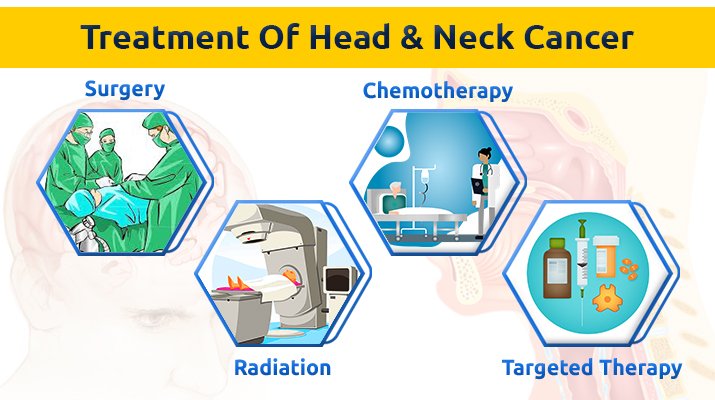
The treatment of Head and Neck Cancer depends on several factors, including the type of cancer, its location, stage, and the patient’s overall health. Surgery is often recommended to remove cancerous tissue while preserving normal function whenever possible. Advances in surgical techniques have enabled more precise tumor removal with improved cosmetic and functional outcomes.
Radiation therapy plays a vital role in treating many head and neck cancers, either as a primary treatment or in combination with surgery. Modern technologies such as Intensity-Modulated Radiation Therapy (IMRT) and Image-Guided Radiation Therapy (IGRT) allow highly targeted treatment while minimizing damage to surrounding healthy tissues. Chemotherapy may be used before, during, or after radiation therapy to improve treatment effectiveness. In selected cases, targeted therapy and immunotherapy offer additional treatment options by focusing on specific cancer cells or enhancing the body’s immune response against cancer.
At Abhaya Cancer Centre, treatment plans are carefully tailored to each patient, ensuring a balance between effective cancer control and preservation of speech, swallowing, appearance, and overall quality of life.
Recovery from Head and Neck Cancer treatment requires ongoing medical supervision and supportive care. Regular follow-up appointments help monitor for recurrence, assess treatment response, and manage any long-term side effects. Rehabilitation services, including speech therapy, swallowing therapy, nutritional counseling, and physical therapy, may be recommended to help patients regain normal function and improve daily living.
Patients are encouraged to maintain a healthy lifestyle, avoid tobacco and alcohol, follow nutritional recommendations, and report any new or recurring symptoms promptly. Emotional and psychological support can also play an important role in recovery and long-term well-being.
If left untreated, Head and Neck Cancer can spread to nearby tissues, lymph nodes, and distant organs, making treatment more complex and reducing the chances of successful outcomes. Depending on the location and extent of the disease, complications may include difficulty speaking, swallowing problems, breathing difficulties, facial disfigurement, nutritional deficiencies, and chronic pain.
Treatment-related side effects may include dry mouth, changes in taste, fatigue, difficulty swallowing, voice changes, and dental complications. However, many of these effects can be effectively managed through modern supportive care and rehabilitation programs. Early diagnosis and appropriate treatment significantly reduce the risk of serious complications.
Medical evaluation is recommended if symptoms such as a persistent sore throat, mouth ulcer, neck lump, hoarseness, difficulty swallowing, unexplained bleeding, or unexplained weight loss continue for more than two weeks. Early assessment is particularly important for individuals with a history of tobacco use, heavy alcohol consumption, or HPV infection.
Seeking timely medical attention can lead to earlier diagnosis, more effective treatment options, and improved long-term outcomes. At Abhaya Cancer Centre, our experienced oncology team is dedicated to providing comprehensive diagnosis, advanced treatment, and compassionate support for patients facing Head and Neck Cancer.
WhatsApp us