Rectal Cancer
- Home
- Rectal Cancer

Abhaya Cancer Centre delivers advanced Rectal Cancer Treatment in Vanasthalipuram through a multidisciplinary team of surgical oncologists, radiation specialists, and medical oncologists. We diagnose rectal cancer using colonoscopy, MRI, and endorectal ultrasound, then treat it with precision surgery, chemoradiation, and targeted therapy tailored to each patient’s stage and overall health. Patients across Hyderabad choose us for accurate staging, minimally invasive surgical options, and coordinated post-treatment care under one roof.
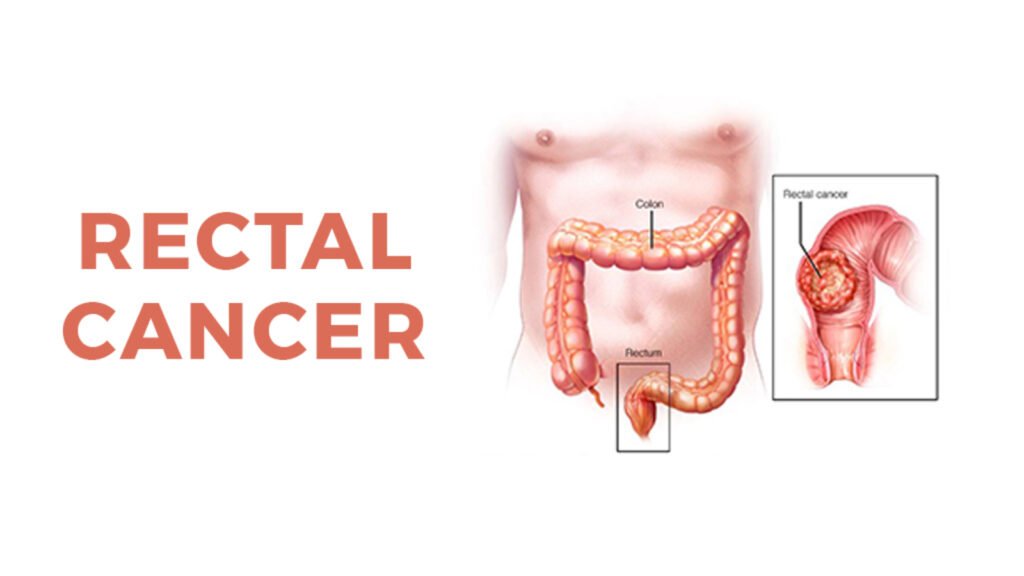
Rectal cancer develops in the rectum the final several inches of the large intestine that connect the colon to the anus. It usually starts as a polyp, a small cluster of abnormal cells on the inner lining of the rectal wall. Left undetected, a polyp can slowly turn cancerous over several years.
Doctors often group rectal cancer with colon cancer under the broader term “colorectal cancer” because both share similar risk factors, screening methods, and treatment pathways. However, rectal cancer requires its own surgical planning, since the rectum sits deep in the pelvis, close to nerves and organs that control bowel and bladder function. This is why choosing a centre with focused surgical expertise matters for outcomes.
At Abhaya Cancer Centre, we treat rectal cancer as a distinct condition — not a subcategory of colon cancer and build every treatment plan around the rectum’s unique anatomy.
Rectal cancer begins when cells in the rectal lining develop genetic mutations that make them grow and divide uncontrollably. Researchers haven’t pinpointed a single cause, but several factors raise the risk:
If two or more of these apply to you, we recommend discussing an earlier screening schedule with our oncology team rather than waiting until age 50.
Rectal cancer symptoms often mimic common digestive issues, which delays diagnosis. Watch for:
Early-stage rectal cancer frequently causes no symptoms at all. This is exactly why screening not waiting for symptoms catches the disease when it’s most treatable.
Staging helps doctors understand how far rectal cancer has developed and plays an important role in treatment planning.
Rectal cancer is commonly described from Stage 0 through Stage IV.
Stage 0
Abnormal or cancerous cells remain within the innermost lining of the rectum. Treatment may involve removing the abnormal area using an appropriate local procedure.
Stage I
Cancer has grown deeper into the rectal wall but has not spread to nearby lymph nodes or distant organs. Surgery is an important treatment option for selected patients.
Stage II
Cancer has grown through the rectal wall or into nearby tissues without spreading to distant organs. Doctors may recommend a combination of treatments depending on the tumour’s characteristics and individual circumstances.
Stage III
Cancer has spread to nearby lymph nodes but has not necessarily spread to distant organs. Treatment commonly requires a combination of therapies rather than surgery alone.
Stage IV
Cancer has spread to distant organs or areas of the body. Treatment focuses on controlling the disease, reducing symptoms, maintaining quality of life and, in selected cases, treating areas of metastatic disease with local approaches.
The exact treatment plan cannot be determined from the stage alone. Doctors also consider tumour biology, molecular findings, imaging results, overall health and treatment response.
Diagnosis starts with a conversation about your symptoms and family history, followed by:
We typically complete this full diagnostic workup within days, not weeks, so treatment isn’t delayed by scheduling gaps between departments.
Treatment depends on the tumour’s stage, exact location, and your overall health. We build every plan through tumour-board discussion involving surgical, medical, and radiation oncology together.
Surgery: Surgery remains the primary way we remove rectal tumours. Depending on tumour location, we perform:
Chemoradiation: For Stage II and III tumours, we typically deliver radiation combined with chemotherapy before surgery. This shrinks the tumour, improves the chance of sphincter-preserving surgery, and reduces local recurrence.
Chemotherapy: Given before surgery to shrink tumours, after surgery to eliminate residual cancer cells, or as the primary treatment for Stage IV disease when surgery isn’t immediately possible.
Targeted Therapy and Immunotherapy: For advanced or genetically specific tumours, we use targeted drugs that attack cancer cell pathways directly, and immunotherapy for tumours with particular genetic markers (such as MSI-high status).
We coordinate all of this in-house through our multidisciplinary team, so patients don’t lose momentum moving between surgery, radiation, and chemotherapy providers.
Patients searching for the best rectal cancer treatment in Vanasthalipuram choose Abhaya Cancer Centre for:
Multidisciplinary tumour boards – Every case is reviewed jointly by surgical, medical, and radiation oncologists before treatment begins.
Sphincter-preserving surgical expertise – We prioritise function-preserving techniques wherever the tumour stage allows.
In-house diagnostic-to-treatment pathway – Colonoscopy, imaging, and treatment planning happen without shuttling you between unrelated facilities.
Personalised staging-based protocols – No one-size-fits-all treatment; your plan matches your exact stage and health profile.
Local accessibility – Located in Vanasthalipuram, serving patients across Hyderabad without requiring travel to the city centre.
Book a consultation promptly if you notice:
If you’re over 45, current guidelines recommend starting routine colorectal cancer screening even without symptoms talk to our team about scheduling a screening colonoscopy.
WhatsApp us