Myeloma
- Home
- Myeloma


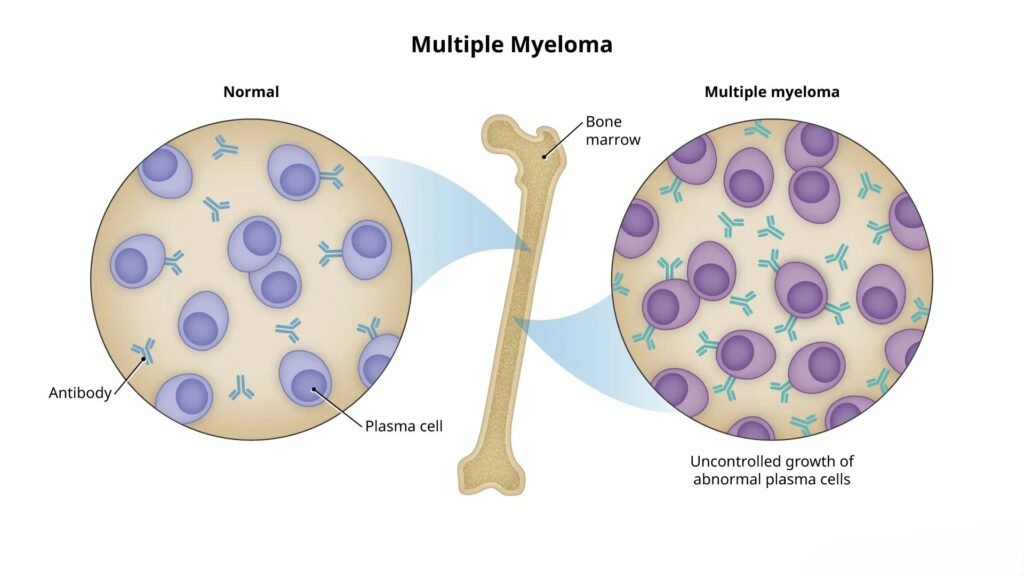
Myeloma, also known as multiple myeloma, is a type of blood cancer that develops in plasma cells, which are a vital part of the immune system. Plasma cells are found in the bone marrow and are responsible for producing antibodies that help the body fight infections. In myeloma, abnormal plasma cells multiply uncontrollably and interfere with the production of healthy blood cells. These cancerous cells can also damage bones, kidneys, and the immune system over time.
Myeloma is most commonly seen in older adults, although it can occur at any age. The condition may progress slowly in some individuals, while others may experience more aggressive disease progression. Early diagnosis and advanced treatment options have significantly improved the quality of life and survival rates for many patients. At Abhaya Cancer Centre, comprehensive care is provided through accurate diagnosis, personalized treatment planning, and continuous support throughout the patient’s recovery journey.
The exact cause of myeloma is not fully understood, but several factors are believed to contribute to the development of the disease. Genetic mutations within plasma cells can trigger abnormal growth and multiplication. Age is considered one of the strongest risk factors, with the condition being more common in individuals above the age of 60. A family history of blood cancers may also increase the likelihood of developing myeloma.
Certain environmental exposures, including prolonged contact with chemicals, radiation, or industrial toxins, may contribute to the risk. Obesity and weakened immune function have also been associated with a higher chance of developing the condition. In many cases, myeloma may begin as a non-cancerous plasma cell disorder that gradually progresses into active disease over time.
The symptoms of myeloma can vary from person to person depending on the stage and severity of the disease. Some individuals may not experience noticeable symptoms in the early stages, while others may develop persistent health concerns that require immediate medical attention. Common symptoms include bone pain, especially in the back, ribs, or hips, unexplained fatigue, weakness, and frequent infections due to reduced immunity.
Patients may also experience anemia, weight loss, excessive thirst, kidney-related problems, or numbness in the limbs. Bone weakening caused by myeloma can increase the risk of fractures even with minor injuries. In some cases, elevated calcium levels in the blood may lead to confusion, constipation, nausea, or dehydration. Since these symptoms can resemble other medical conditions, timely evaluation by a cancer specialist is essential for proper diagnosis and treatment.
Diagnosing myeloma involves a detailed medical evaluation along with advanced laboratory and imaging tests. Doctors may begin with blood tests to check for abnormal proteins produced by myeloma cells, kidney function, calcium levels, and blood cell counts. Urine tests may also be performed to identify specific proteins associated with the disease.
A bone marrow biopsy is often required to confirm the diagnosis by examining the presence of abnormal plasma cells within the marrow. Imaging studies such as X-rays, MRI scans, CT scans, or PET scans help identify bone damage and determine the extent of the disease. At Abhaya Cancer Centre, modern diagnostic techniques are used to ensure accurate staging and treatment planning for every patient.
Treatment for myeloma depends on the stage of the disease, the patient’s overall health, and the severity of symptoms. The primary goal of treatment is to control cancer growth, relieve symptoms, and improve quality of life. Modern treatment approaches have made it possible for many patients to manage the disease effectively for long periods.
Common treatment options include chemotherapy, targeted therapy, immunotherapy, and corticosteroid medications that help destroy abnormal plasma cells. In selected patients, stem cell transplantation may be recommended to restore healthy bone marrow function after intensive treatment. Radiation therapy may also be used to control localized bone pain or treat areas affected by bone damage.
Supportive care is an important part of treatment and may include medications to strengthen bones, manage pain, prevent infections, and improve blood counts. At Abhaya Cancer Centre, treatment plans are carefully tailored to meet the individual needs of each patient, ensuring compassionate and comprehensive cancer care.
Post-treatment care plays a crucial role in maintaining long-term health and monitoring recovery after myeloma treatment. Regular follow-up visits help doctors assess treatment response, identify any signs of recurrence, and manage potential side effects. Patients may require ongoing blood tests, imaging studies, and bone marrow evaluations as part of their follow-up care plan.
Lifestyle modifications such as maintaining a balanced diet, staying physically active, avoiding infections, and managing stress can support overall well-being during recovery. Rehabilitation and supportive therapies may also help patients regain strength and improve daily functioning. Emotional support and counseling can further assist patients and families in coping with the physical and psychological impact of cancer treatment.
If left untreated or not properly managed, myeloma can lead to several serious complications. Bone destruction caused by the disease may result in fractures, severe pain, and reduced mobility. Kidney damage is another major concern, particularly when abnormal proteins accumulate in the kidneys and interfere with their function.
Patients with myeloma are also more vulnerable to infections due to weakened immunity. Anemia, nerve damage, blood clotting disorders, and high calcium levels may further affect overall health and quality of life. Some treatments may also produce side effects that require careful monitoring and supportive care. Early diagnosis and continuous medical supervision can help reduce these risks and improve patient outcomes.
It is important to seek medical attention if you experience persistent bone pain, unexplained fatigue, frequent infections, unusual weakness, or sudden weight loss. Symptoms such as numbness, excessive thirst, repeated fractures, or kidney-related problems should also not be ignored. Early evaluation by a cancer specialist can help detect myeloma at an earlier stage and improve the effectiveness of treatment.
At Abhaya Cancer Centre, patients receive expert evaluation, advanced diagnostics, and personalized treatment for myeloma in a compassionate and supportive environment. Timely care and regular follow-up can make a significant difference in managing the disease and enhancing quality of life.
WhatsApp us