Liver Cancer
- Home
- Liver Cancer


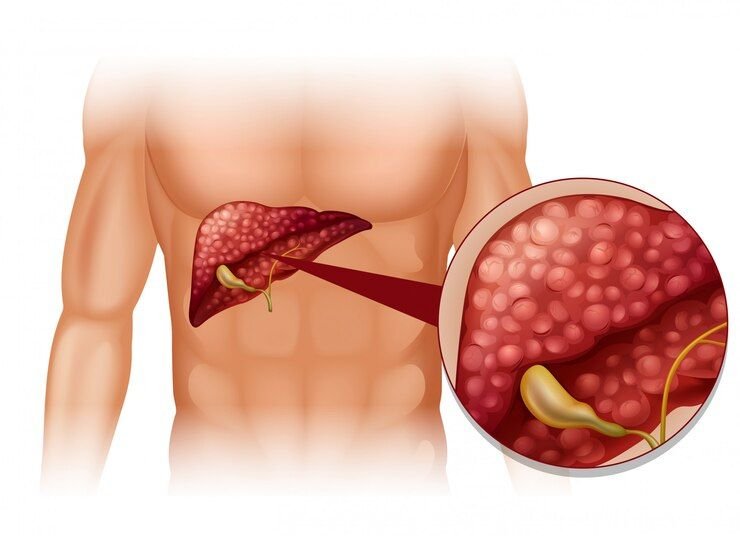
Liver cancer is a serious condition that develops when abnormal cells in the liver grow uncontrollably and form a tumor. The most common type is hepatocellular carcinoma (HCC), which originates in the main liver cells known as hepatocytes. The liver plays a vital role in digestion, detoxification, metabolism, and nutrient storage, making its health essential for overall well-being. Liver cancer can either begin in the liver itself (primary liver cancer) or spread to the liver from other organs (secondary or metastatic liver cancer). Early diagnosis and timely treatment significantly improve outcomes and help preserve liver function.
Liver cancer is often associated with long-term liver damage and chronic liver diseases. Persistent infection with hepatitis B or hepatitis C viruses is one of the leading causes worldwide. Cirrhosis, a condition characterized by scarring of the liver due to chronic alcohol consumption, fatty liver disease, or viral hepatitis, also increases the risk of developing liver cancer. Other contributing factors include obesity, diabetes, exposure to certain toxins such as aflatoxins, smoking, inherited liver disorders, and prolonged liver inflammation. While not everyone with these risk factors develops liver cancer, regular monitoring is important for individuals at higher risk.
In the early stages, liver cancer may not produce noticeable symptoms. As the disease progresses, patients may experience unexplained weight loss, loss of appetite, persistent fatigue, abdominal discomfort, or pain in the upper right side of the abdomen. Some individuals may notice swelling in the abdomen due to fluid accumulation, nausea, jaundice (yellowing of the skin and eyes), dark urine, pale stools, or an enlarged liver. Since these symptoms can also occur in other liver conditions, medical evaluation is essential for accurate diagnosis.
Diagnosing liver cancer involves a comprehensive assessment that includes a detailed medical history, physical examination, laboratory investigations, and advanced imaging studies. Blood tests may evaluate liver function and measure tumor markers such as alpha-fetoprotein (AFP). Imaging techniques including ultrasound, CT scans, MRI scans, and PET scans help identify tumors and determine their size and extent. In some cases, a liver biopsy may be recommended to confirm the diagnosis by examining a tissue sample under a microscope. Accurate staging is crucial for planning the most effective treatment strategy.
Treatment for liver cancer depends on the stage of the disease, the size and location of the tumor, overall liver function, and the patient’s general health. Surgical removal of the tumor may be recommended for eligible patients with localized disease. Liver transplantation can be considered in selected cases where both the tumor and underlying liver disease need to be addressed. Other treatment options include radiofrequency ablation, microwave ablation, transarterial chemoembolization (TACE), targeted therapy, immunotherapy, chemotherapy, and radiation therapy. Modern cancer care often combines multiple treatment approaches to achieve the best possible outcomes while preserving quality of life.
Post-treatment care plays a vital role in recovery and long-term health. Regular follow-up visits help monitor treatment response, detect any recurrence at an early stage, and manage potential side effects. Patients are encouraged to maintain a healthy lifestyle, avoid alcohol consumption, follow a balanced diet, and manage underlying liver conditions effectively. Periodic blood tests and imaging studies may be recommended to evaluate liver function and overall health. Emotional support, nutritional guidance, and rehabilitation services can further contribute to improved recovery and well-being.
If left untreated, liver cancer can progress and spread to other parts of the body. Potential complications include liver failure, internal bleeding, severe abdominal fluid accumulation (ascites), infection, jaundice, blood clotting abnormalities, and significant weight loss. Advanced disease may affect the body’s ability to perform essential metabolic functions, leading to serious health consequences. Early diagnosis and appropriate treatment can help reduce the risk of complications and improve long-term survival.
It is important to consult a doctor if you experience persistent abdominal pain, unexplained weight loss, ongoing fatigue, loss of appetite, jaundice, abdominal swelling, or any symptoms suggestive of liver disease. Individuals with chronic hepatitis B, hepatitis C, cirrhosis, or other liver disorders should undergo regular medical evaluations and screening as advised by their healthcare provider. Seeking timely medical attention can lead to earlier diagnosis, more effective treatment options, and better overall outcomes.
WhatsApp us