Leukemia
- Home
- Leukemia

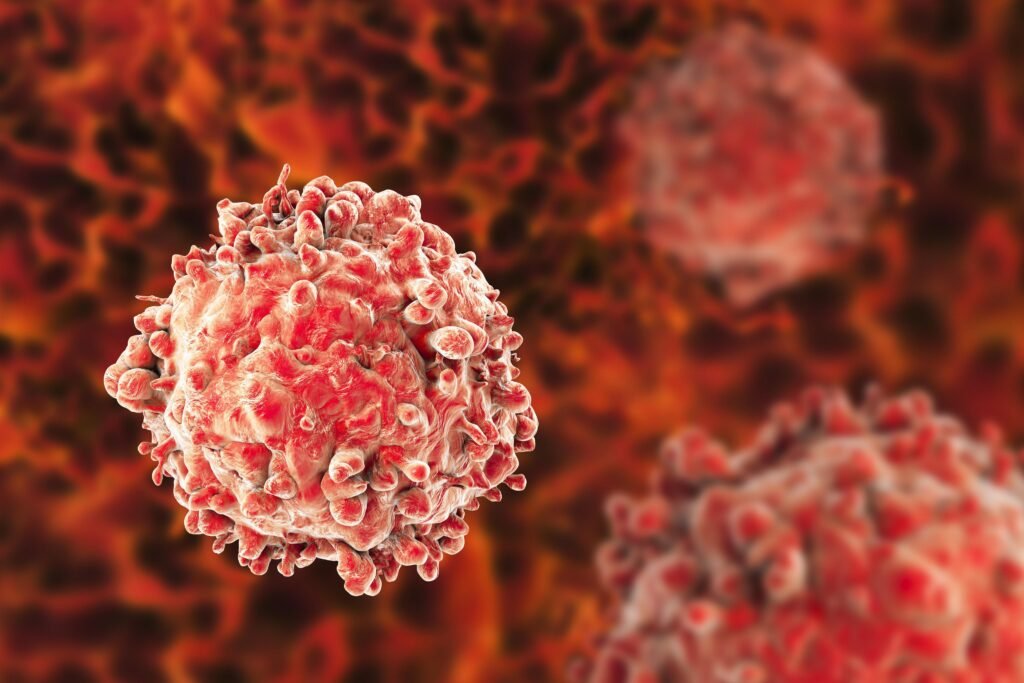
Leukemia is a type of blood cancer that affects the bone marrow and blood-forming tissues of the body. It develops when abnormal white blood cells grow uncontrollably and interfere with the production of healthy blood cells. These cancerous cells can reduce the body’s ability to fight infections, carry oxygen, and control bleeding. Leukemia can affect both children and adults, although certain types are more common in specific age groups. The condition may develop suddenly as acute leukemia or progress slowly over time as chronic leukemia.
At Abhaya Cancer Centre, we provide comprehensive leukemia care using advanced diagnostic techniques and personalized treatment plans. Early detection and timely treatment can significantly improve outcomes and quality of life for patients living with leukemia.
The exact cause of leukemia is not always known, but several factors may increase the risk of developing the disease. Genetic mutations within blood cells can cause them to grow abnormally and multiply rapidly. Exposure to high levels of radiation, certain chemicals such as benzene, and previous cancer treatments involving chemotherapy or radiation therapy may increase the likelihood of leukemia.
Family history, smoking, certain genetic disorders, and weakened immune function can also contribute to the risk. In some cases, leukemia develops without any identifiable risk factors. While the condition cannot always be prevented, maintaining overall health and avoiding harmful environmental exposures may help reduce certain risks.
Leukemia symptoms can vary depending on the type and stage of the disease. Many patients initially experience symptoms that may resemble common illnesses, which can delay diagnosis. Persistent fatigue, weakness, frequent infections, unexplained fever, and night sweats are commonly reported signs. Patients may also notice easy bruising, bleeding gums, frequent nosebleeds, or tiny red spots under the skin caused by low platelet counts.
Other symptoms may include swollen lymph nodes, bone or joint pain, unexplained weight loss, and shortness of breath. Some individuals may experience abdominal discomfort due to an enlarged liver or spleen. Since symptoms can progress gradually or suddenly, medical evaluation is important when these signs persist.
Diagnosing leukemia involves a detailed medical evaluation along with specialized blood and bone marrow tests. Doctors usually begin with a physical examination and review of symptoms and medical history. Blood tests such as a complete blood count help identify abnormal white blood cells, anemia, or low platelet levels.
Further confirmation is often obtained through a bone marrow biopsy, where a small sample of bone marrow is examined under a microscope. Additional tests such as genetic studies, imaging scans, and molecular testing may be recommended to determine the specific type of leukemia and guide treatment planning. Accurate diagnosis is essential for selecting the most effective therapy and improving treatment outcomes.
Leukemia treatment depends on the type of leukemia, the patient’s age, overall health, and how advanced the disease is. Chemotherapy is one of the most commonly used treatments and works by destroying leukemia cells throughout the body. Targeted therapy and immunotherapy are advanced treatment approaches that specifically attack cancer cells while minimizing damage to healthy tissues.
Radiation therapy may be used in selected cases to control cancer spread or prepare patients for stem cell transplantation. Bone marrow or stem cell transplantation can help replace diseased bone marrow with healthy cells and may offer long-term remission for some patients. Supportive treatments such as blood transfusions, infection management, and nutritional support are also important parts of leukemia care.
At Abhaya Cancer Centre, every patient receives an individualized treatment plan designed to provide effective cancer control while maintaining comfort and quality of life.
Post-treatment care plays a vital role in recovery and long-term health after leukemia treatment. Patients require regular follow-up visits to monitor blood counts, evaluate treatment response, and detect any signs of recurrence. Recovery may take time, especially after intensive chemotherapy or stem cell transplantation.
Maintaining a healthy diet, staying physically active, and following medical advice can help improve strength and immunity during recovery. Emotional support and counseling may also benefit patients and families coping with the physical and emotional impact of leukemia treatment. Long-term monitoring is essential to manage potential side effects and maintain overall well-being.
Leukemia and its treatments can sometimes lead to complications that require careful medical management. Patients may experience severe infections due to weakened immunity, anemia from reduced red blood cell production, or excessive bleeding caused by low platelet counts. Certain treatments may also affect organs such as the heart, liver, or kidneys in some individuals.
In advanced cases, leukemia cells can spread to other parts of the body including the brain and spinal cord. Emotional stress, fatigue, and nutritional challenges are also common during treatment. Early medical attention and continuous monitoring help reduce the risk of serious complications and improve patient safety throughout the treatment journey.
It is important to seek medical attention if symptoms such as persistent fatigue, unexplained fever, frequent infections, easy bruising, or unusual bleeding continue for an extended period. Sudden weight loss, swollen lymph nodes, night sweats, or ongoing bone pain should also not be ignored.
Early consultation with a cancer specialist can help detect leukemia at an earlier stage and improve treatment success. At Abhaya Cancer Centre, our experienced oncology team is committed to providing timely diagnosis, compassionate care, and advanced leukemia treatment tailored to each patient’s needs.
WhatsApp us