Multiple Myeloma
- Home
- Multiple Myeloma


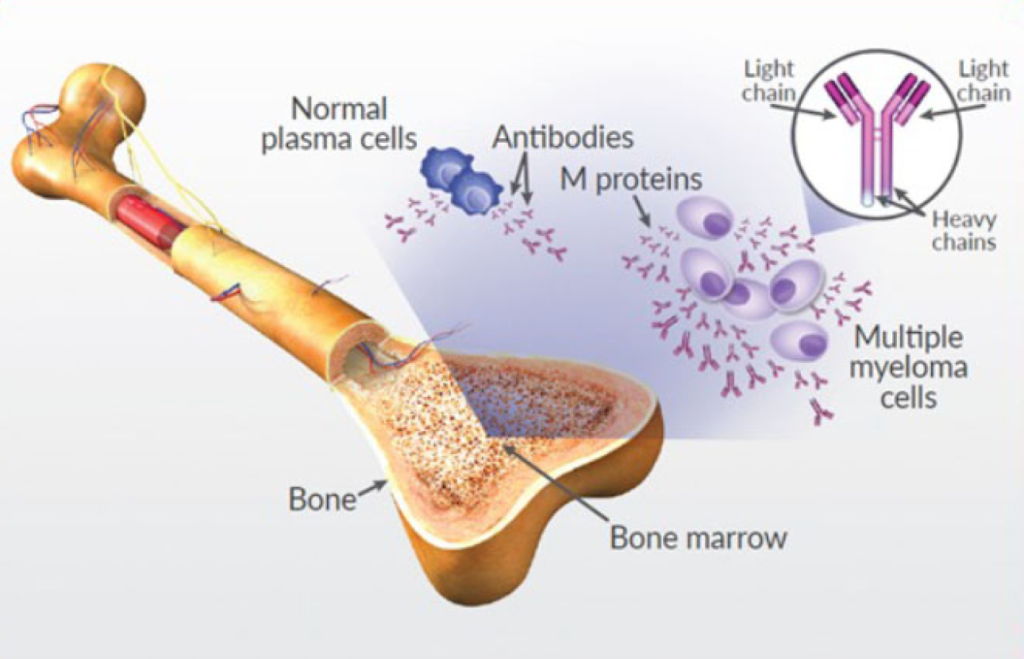
Multiple myeloma is a type of blood cancer that develops in plasma cells, which are an important part of the body’s immune system. Plasma cells are found in the bone marrow and help protect the body by producing antibodies that fight infections. In multiple myeloma, abnormal plasma cells grow uncontrollably and accumulate in the bone marrow, interfering with the production of healthy blood cells. Over time, this condition can affect the bones, kidneys, immune system, and other organs.
Multiple myeloma usually develops gradually and may not cause noticeable symptoms in the early stages. As the disease progresses, patients may experience bone pain, weakness, recurrent infections, or fatigue. Early diagnosis and timely treatment are essential for managing the condition effectively and improving quality of life. At Abhaya Cancer Centre, advanced diagnostic methods and personalized cancer care help patients receive comprehensive treatment and long-term support throughout their recovery journey.
The exact cause of multiple myeloma is not fully understood, but researchers believe that genetic changes in plasma cells play a major role in the development of the disease. These abnormal changes cause plasma cells to multiply rapidly and survive longer than normal cells. As the number of abnormal cells increases, they begin to crowd out healthy blood-forming cells in the bone marrow.
Several factors may increase the risk of developing multiple myeloma. Increasing age is one of the most significant risk factors, with the condition being more common in older adults. A family history of blood cancers, exposure to certain chemicals or radiation, obesity, and immune system disorders may also contribute to the risk. In some patients, multiple myeloma develops from a non-cancerous condition called monoclonal gammopathy of undetermined significance (MGUS), which may gradually progress over time.
The symptoms of multiple myeloma can vary depending on the stage and severity of the disease. In the early stages, some patients may not experience any symptoms at all. As the condition progresses, persistent bone pain is one of the most common symptoms, especially in the back, ribs, hips, or spine. Bones may become weak and fragile, increasing the risk of fractures.
Patients often experience fatigue and weakness due to anemia caused by reduced production of healthy red blood cells. Frequent infections may occur because the immune system becomes weakened. Other symptoms can include unexplained weight loss, excessive thirst, nausea, constipation, numbness or tingling in the limbs, and kidney-related problems. Since these symptoms may resemble other medical conditions, proper evaluation by a cancer specialist is important for accurate diagnosis.
Diagnosing multiple myeloma involves a combination of clinical evaluation, blood tests, urine tests, imaging studies, and bone marrow examination. Blood tests are commonly used to detect abnormal proteins produced by myeloma cells and to assess kidney function, calcium levels, and blood cell counts. Urine analysis may also help identify specific proteins associated with the disease.
Advanced imaging techniques such as X-rays, MRI scans, CT scans, or PET scans are used to evaluate bone damage and identify affected areas within the body. A bone marrow biopsy is often required to confirm the diagnosis by examining the presence and percentage of abnormal plasma cells in the marrow. Accurate staging and assessment help oncologists determine the most effective treatment plan tailored to each patient’s condition.
Treatment for multiple myeloma depends on several factors, including the stage of the disease, overall health of the patient, and the severity of symptoms. Modern treatment approaches focus on controlling the disease, relieving symptoms, preventing complications, and improving long-term survival outcomes.
Targeted therapy and immunotherapy are commonly used to attack abnormal myeloma cells while minimizing damage to healthy tissues. Chemotherapy may also be recommended to destroy rapidly growing cancer cells. In certain patients, corticosteroids are used to help control inflammation and enhance the effectiveness of other treatments. Radiation therapy may be advised to manage localized bone pain or areas affected by severe damage.
For eligible patients, stem cell transplantation can be an effective treatment option. This procedure involves replacing damaged bone marrow with healthy stem cells after high-dose chemotherapy. Supportive treatments such as medications to strengthen bones, manage pain, prevent infections, and protect kidney function are also an important part of comprehensive multiple myeloma care. At Abhaya Cancer Centre, treatment plans are personalized to ensure patients receive compassionate, evidence-based cancer care with continuous monitoring and support.
Post-treatment care plays a vital role in maintaining health and monitoring recovery after multiple myeloma treatment. Regular follow-up appointments help doctors evaluate treatment response, detect any signs of recurrence, and manage potential side effects. Blood tests, imaging scans, and bone marrow assessments may be performed periodically to monitor the patient’s condition.
Patients are encouraged to maintain a healthy lifestyle with balanced nutrition, adequate hydration, regular physical activity, and proper rest. Preventing infections is especially important because the immune system may remain weakened even after treatment. Emotional well-being and psychological support are also essential, as cancer treatment can affect both physical and mental health. Rehabilitation services, pain management, and supportive care programs can significantly improve overall quality of life during recovery.
If left untreated or poorly controlled, multiple myeloma can lead to serious complications. Bone damage is one of the most common complications and may result in fractures, severe pain, or spinal cord compression. Kidney damage can occur due to the buildup of abnormal proteins in the blood, which may interfere with normal kidney function.
Patients may also develop severe anemia, increased susceptibility to infections, and elevated calcium levels in the blood, which can cause confusion, fatigue, and digestive issues. In advanced stages, complications involving the nervous system or other organs may develop. Early diagnosis, continuous medical care, and proper treatment significantly reduce the risk of complications and improve patient outcomes.
It is important to seek medical attention if you experience persistent bone pain, unexplained fatigue, frequent infections, unusual weakness, or unexplained weight loss. Symptoms such as numbness, excessive thirst, recurrent fractures, or kidney-related issues should also not be ignored. Early consultation with a cancer specialist can help identify the underlying cause and allow timely diagnosis and treatment.
At Abhaya Cancer Centre, patients receive expert evaluation, advanced diagnostic support, and personalized treatment for multiple myeloma and other blood cancers. Early detection and comprehensive cancer care can make a significant difference in improving treatment success and enhancing long-term health and quality of life.
WhatsApp us