Bone Marrow Cancer
- Home
- Bone Marrow Cancer


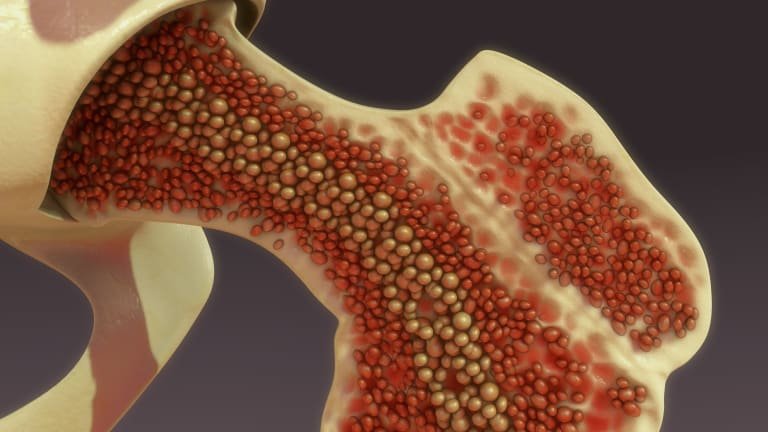
Bone marrow cancer refers to a group of cancers that affect the soft, spongy tissue inside bones where blood cells are produced. It most commonly includes conditions such as leukemia, multiple myeloma, and certain lymphomas. In healthy bone marrow, new blood cells are continuously formed to support immunity, oxygen transport, and clotting. When cancer develops, this normal process is disrupted, leading to abnormal cell growth and reduced production of healthy blood cells. At Abhaya Cancer Centre, patients receive advanced evaluation and personalized treatment aimed at controlling the disease and improving quality of life.
The exact cause of bone marrow cancer is not always known, but it is believed to develop due to genetic mutations in blood-forming cells. These mutations cause cells to grow uncontrollably and interfere with normal blood production. Certain risk factors may increase the likelihood of developing the disease, including prolonged exposure to radiation, exposure to harmful chemicals such as benzene, a weakened immune system, and some inherited genetic conditions. In some cases, previous cancer treatments like chemotherapy may also contribute to increased risk over time.
Symptoms of bone marrow cancer often develop gradually and may be mistaken for other common health conditions in the early stages. Patients may experience persistent fatigue, weakness, frequent infections, unexplained fever, and easy bruising or bleeding. Bone pain, especially in the back or ribs, is also common in conditions like multiple myeloma. Some individuals may notice unintended weight loss, pale skin due to anemia, or shortness of breath. As the disease progresses, symptoms tend to become more severe and persistent, requiring medical attention.
Diagnosis of bone marrow cancer involves a combination of physical examination, blood tests, imaging studies, and specialized bone marrow analysis. Blood tests help detect abnormal levels of white blood cells, red blood cells, and platelets. A bone marrow biopsy is often performed to confirm the presence of cancerous cells and determine the specific type of disease. Additional tests such as CT scans, MRI, or PET scans may be used to assess the extent of spread. Accurate diagnosis is essential for planning the most effective treatment approach.
Treatment for bone marrow cancer depends on the type, stage, and overall health of the patient. Common treatment options include chemotherapy, targeted therapy, immunotherapy, and in some cases, radiation therapy. For eligible patients, stem cell or bone marrow transplantation may offer a potential cure or long-term disease control. Treatment plans are carefully tailored to each individual to maximize effectiveness while minimizing side effects. At Abhaya Cancer Centre, a multidisciplinary team ensures that patients receive comprehensive and evidence-based cancer care.
Post-treatment care plays a crucial role in recovery and long-term disease management. Patients require regular follow-ups to monitor blood counts, detect recurrence early, and manage any long-term side effects of treatment. Nutritional support, infection prevention, and lifestyle modifications are also important during recovery. Emotional and psychological support may be recommended to help patients and families cope with the challenges of cancer survivorship. Continuous monitoring ensures better health outcomes and improved quality of life.
Bone marrow cancer and its treatments may lead to several complications if not properly managed. These can include severe anemia, increased risk of infections, excessive bleeding, and organ complications due to abnormal blood cell production. Treatments such as chemotherapy and stem cell transplantation may also cause temporary or long-term side effects, including fatigue, nausea, and lowered immunity. Early diagnosis and timely treatment significantly reduce the risk of severe complications and improve survival outcomes.
It is important to consult a doctor if symptoms such as persistent fatigue, frequent infections, unexplained fever, or unusual bleeding persist for more than a few weeks. Individuals experiencing ongoing bone pain, sudden weight loss, or unexplained weakness should also seek medical evaluation without delay. Early consultation allows for timely diagnosis and better treatment outcomes. At Abhaya Cancer Centre, patients are encouraged to undergo prompt evaluation if any warning signs of bone marrow disorders are present, ensuring early and effective intervention.
WhatsApp us