Penile Cancer
- Home
- Penile Cancer


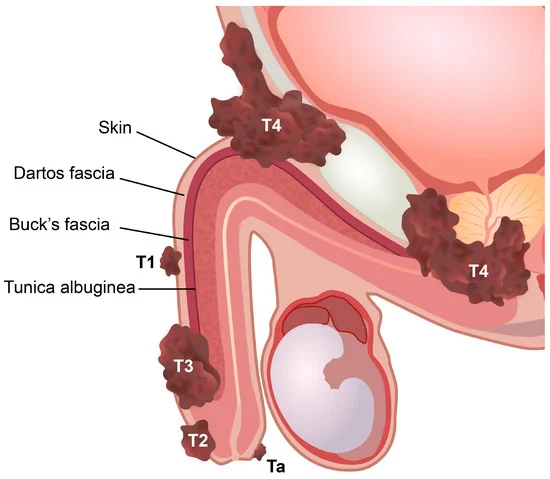
Penile cancer is a rare form of cancer that develops in the tissues or skin of the penis. It most commonly begins in the skin cells and can gradually spread deeper into surrounding tissues if not diagnosed and treated early. Although penile cancer is uncommon, timely medical attention and appropriate treatment can significantly improve outcomes and preserve quality of life. At Abhaya Cancer Centre, we provide comprehensive evaluation, advanced diagnostic services, and personalized cancer treatment plans focused on patient comfort, safety, and long-term recovery.
Penile cancer usually affects men over the age of 50, but it can occur at any age. The disease often starts as a small sore, lump, discoloration, or growth on the penis that does not heal. Because symptoms may initially appear mild or painless, many patients delay seeking treatment. Early detection plays a vital role in successful treatment and helps reduce the risk of cancer spreading to nearby lymph nodes and other organs.
The exact cause of penile cancer is not always known, but several risk factors have been associated with the condition. Infection with the human papillomavirus (HPV), especially certain high-risk strains, is considered one of the major contributing factors. Poor genital hygiene, chronic inflammation, smoking, and conditions such as phimosis, where the foreskin cannot be fully retracted, may also increase the risk of developing penile cancer.
Men with weakened immune systems or a history of sexually transmitted infections may have a higher likelihood of developing the disease. Long-term irritation or untreated lesions on the penis can also contribute to abnormal cell changes over time. Maintaining good personal hygiene, avoiding tobacco use, and seeking medical attention for persistent symptoms may help reduce the risk.
Penile cancer symptoms can vary depending on the stage and location of the tumor. Common signs include a persistent sore, ulcer, lump, thickened skin, rash, or growth on the penis. Some patients may notice changes in skin color, bleeding, foul-smelling discharge, or swelling around the tip of the penis or foreskin. In some cases, the affected area may become painful or tender.
As the condition progresses, enlarged lymph nodes in the groin may develop, indicating possible spread of the disease. Since many of these symptoms can resemble infections or non-cancerous conditions, it is important not to ignore persistent changes. Any unusual lesion or symptom lasting more than a few weeks should be evaluated by a cancer specialist or urologist.
Diagnosing penile cancer begins with a detailed medical history review and physical examination. The doctor carefully examines the affected area and checks for enlarged lymph nodes in the groin region. Imaging studies such as ultrasound, CT scan, MRI, or PET scan may be recommended to determine the extent of the disease and whether it has spread to nearby tissues or lymph nodes.
A biopsy is the most important step in confirming the diagnosis. During this procedure, a small tissue sample is removed from the suspicious area and examined under a microscope. The biopsy helps identify the type and stage of cancer, which guides the treatment plan. Early and accurate diagnosis allows doctors to choose the most effective treatment approach while preserving function whenever possible.
Treatment for penile cancer depends on the stage, size, and location of the tumor, as well as the patient’s overall health. In early-stage cases, treatment may involve topical medications, laser therapy, cryotherapy, or minor surgical procedures to remove the cancer while preserving as much healthy tissue as possible. More advanced cancers may require partial or total removal of the affected tissue to ensure complete cancer control.
Radiation therapy and chemotherapy are commonly used in certain stages of penile cancer, either alone or in combination with surgery. Targeted therapies and advanced oncology treatments may also be considered for selected patients. At Abhaya Cancer Centre, every treatment plan is individualized with a focus on effective cancer management, preservation of quality of life, and emotional support throughout the treatment journey.
Recovery after penile cancer treatment requires regular follow-up care and ongoing monitoring. Patients are advised to attend scheduled appointments so doctors can evaluate healing, monitor for recurrence, and manage any treatment-related side effects. Emotional well-being and psychological support are also important aspects of recovery, as cancer treatment may affect self-confidence and personal relationships.
Maintaining proper hygiene, following medication instructions, and adopting a healthy lifestyle can support faster healing and long-term health. Nutritional guidance, pain management, and rehabilitation services may also be recommended depending on the treatment received. Open communication with the healthcare team helps patients recover with greater comfort and confidence.
If left untreated, penile cancer can spread to nearby lymph nodes and other parts of the body, making treatment more complex. Advanced stages may lead to significant tissue damage, infection, pain, and difficulties related to urination or sexual function. Some treatments may also have physical and emotional side effects that require supportive care and rehabilitation.
Complications can vary based on the stage of cancer and the type of treatment performed. Early diagnosis greatly reduces the likelihood of severe complications and improves survival rates. Regular follow-up and adherence to medical advice are essential for long-term recovery and prevention of recurrence.
Patients should consult a doctor if they notice any unusual sores, lumps, discoloration, swelling, bleeding, or persistent irritation on the penis. Symptoms that do not improve with routine treatment or continue for more than a few weeks should never be ignored. Early medical evaluation can help identify the cause and allow prompt treatment if cancer is detected.
Men experiencing persistent groin swelling, pain, foul-smelling discharge, or changes in the foreskin should also seek professional medical attention. At Abhaya Cancer Centre, our experienced oncology team provides compassionate care, accurate diagnosis, and advanced treatment options for penile cancer with a strong focus on patient safety and recovery.
WhatsApp us