Cervical Cancer
- Home
- Cervical Cancer


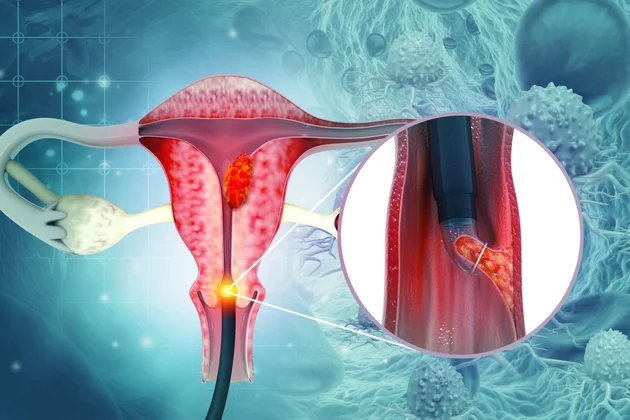
Cervical cancer is a type of cancer that develops in the cervix, the lower part of the uterus that connects to the vagina. It is one of the most preventable and treatable forms of cancer when detected early through regular screening and timely medical care. Cervical cancer often develops gradually over time, beginning with abnormal changes in the cervical cells that may progress if left untreated. At Abhaya Cancer Centre, we focus on early diagnosis, advanced treatment options, and compassionate care to help women achieve the best possible outcomes while maintaining their quality of life.
This condition commonly affects women between the ages of 30 and 60, although it can occur at any age. Awareness, regular gynecological examinations, and preventive healthcare play a major role in reducing the risk of cervical cancer and improving long-term survival.
The primary cause of cervical cancer is persistent infection with certain high-risk types of Human Papillomavirus (HPV), a common sexually transmitted virus. In many cases, the body’s immune system clears the infection naturally, but some persistent infections can lead to abnormal cell growth in the cervix over time.
Several factors may increase the risk of developing cervical cancer, including early sexual activity, multiple sexual partners, smoking, weakened immunity, long-term use of oral contraceptives, and lack of regular cervical screening. Women with a family history of cervical cancer or those with untreated precancerous cervical changes may also have a higher risk. Although HPV infection is common, not every woman with HPV develops cervical cancer, which is why routine screening and preventive care are extremely important.
Esophageal cancer symptoms often develop gradually and may become more noticeable as the condition progresses. Difficulty swallowing is one of the earliest and most common symptoms. Patients may initially experience discomfort while swallowing solid foods, which can later progress to difficulty swallowing liquids as well.
Other symptoms can include unexplained weight loss, chest pain or pressure, persistent indigestion, heartburn, chronic cough, hoarseness of voice, fatigue, and regurgitation of food. Some individuals may also experience pain while swallowing or a sensation that food is getting stuck in the throat or chest. Since these symptoms may resemble other digestive conditions, medical evaluation is important for accurate diagnosis.
Accurate diagnosis of cervical cancer involves a detailed medical evaluation, pelvic examination, and specialized diagnostic tests. Screening methods such as the Pap smear and HPV testing help identify abnormal cervical cells before they become cancerous. If abnormalities are detected, further evaluation through colposcopy allows the doctor to closely examine the cervix using a magnified view.
A biopsy is often performed to confirm the presence of cancer cells and determine the type and extent of the disease. Imaging studies such as ultrasound, CT scan, MRI, or PET scan may also be recommended to assess the stage of cancer and whether it has spread to nearby tissues or lymph nodes. At Abhaya Cancer Centre, we use advanced diagnostic technology to ensure precise evaluation and personalized treatment planning.
The treatment for cervical cancer depends on several factors, including the stage of cancer, overall health of the patient, age, and future fertility considerations. In early-stage cervical cancer, surgery may be recommended to remove the cancerous tissue or affected organs. Procedures may range from minimally invasive treatments for precancerous lesions to hysterectomy in more advanced cases.
Radiation therapy is commonly used either alone or in combination with chemotherapy to destroy cancer cells and reduce the risk of recurrence. Chemotherapy uses specialized medications to target rapidly growing cancer cells and may be given before or after surgery or along with radiation therapy. Advanced treatment approaches such as targeted therapy and immunotherapy may also be considered for selected patients with recurrent or advanced cervical cancer.
At Abhaya Cancer Centre, our multidisciplinary cancer specialists develop individualized treatment plans focused on achieving the best clinical outcomes while minimizing side effects and supporting the patient throughout the recovery journey.
Recovery and follow-up care are important aspects of cervical cancer treatment. After treatment, patients require regular medical check-ups to monitor healing, evaluate treatment response, and detect any signs of recurrence at an early stage. Follow-up visits may include physical examinations, imaging studies, and routine cervical screening tests when appropriate.
Many women may experience physical and emotional challenges during recovery, including fatigue, hormonal changes, anxiety, or changes in reproductive health. Nutritional guidance, pain management, emotional counseling, and rehabilitation support can help improve overall well-being and quality of life after treatment. Maintaining a healthy lifestyle, avoiding smoking, and attending scheduled follow-up appointments are essential for long-term health.
If left untreated, cervical cancer can spread to nearby organs such as the bladder, rectum, or lymph nodes and may eventually affect distant parts of the body. Advanced cervical cancer can lead to complications including severe pain, kidney problems, excessive bleeding, anemia, and urinary or bowel obstruction.
Certain treatments may also have side effects or long-term complications, depending on the type and stage of treatment. These may include infertility, early menopause, bowel or bladder changes, fatigue, or sexual health concerns. Proper medical supervision and supportive care help manage these complications effectively and improve patient comfort during and after treatment.
Women should consult a doctor if they experience abnormal vaginal bleeding, unusual discharge, persistent pelvic pain, or discomfort during intercourse. Any change in menstrual patterns or postmenopausal bleeding should never be ignored. Early medical evaluation allows timely diagnosis and significantly improves treatment success.
Regular Pap smear testing and HPV screening are strongly recommended even in the absence of symptoms, especially for women above the age of 21 or as advised by their healthcare provider. At Abhaya Cancer Centre, our experienced oncology team is committed to providing comprehensive cervical cancer screening, diagnosis, treatment, and compassionate support tailored to every patient’s needs.
WhatsApp us