Bile-duct Cancer
- Home
- Bile-duct Cancer


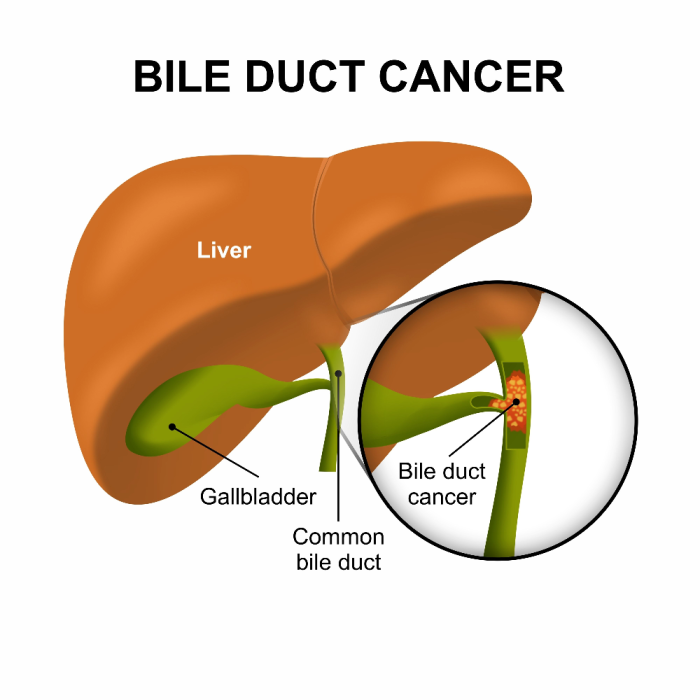
Bile-duct cancer, also known as cholangiocarcinoma, is a rare but serious form of cancer that develops in the bile ducts, the thin tubes responsible for carrying bile from the liver and gallbladder to the small intestine. Bile plays an important role in digestion, particularly in breaking down fats. Bile-duct cancer can occur inside the liver (intrahepatic), just outside the liver (perihilar), or closer to the small intestine (distal bile-duct cancer). Because the disease often develops slowly and may not cause symptoms in the early stages, it is frequently diagnosed after it has progressed.
At Abhaya Cancer Centre, we understand that a diagnosis of bile-duct cancer can be emotionally and physically challenging for patients and their families. Our team focuses on providing advanced diagnostic evaluation, personalized treatment planning, and compassionate cancer care to help patients achieve the best possible outcomes. Early detection and timely medical attention can significantly improve treatment success and quality of life.
The exact cause of bile-duct cancer is not always clear, but several medical conditions and lifestyle factors may increase the risk of developing the disease. Chronic inflammation of the bile ducts is considered one of the major contributing factors. Conditions such as primary sclerosing cholangitis, bile-duct cysts, liver cirrhosis, chronic liver disease, and certain parasitic infections may increase the likelihood of abnormal cell growth in the bile ducts.
Other risk factors include long-standing gallstones, obesity, diabetes, smoking, excessive alcohol consumption, and exposure to harmful chemicals over time. In some cases, genetic changes and family history may also play a role. However, many patients diagnosed with bile-duct cancer may not have any obvious risk factors, which is why regular medical check-ups are important, especially for individuals with underlying liver or bile-duct conditions.
Symptoms of bile-duct cancer can vary depending on the location and stage of the disease. In the early stages, patients may experience very mild symptoms or none at all. As the cancer grows and blocks the flow of bile, symptoms become more noticeable. One of the most common signs is jaundice, which causes yellowing of the skin and eyes. Patients may also notice dark urine, pale-colored stools, persistent itching, abdominal pain, unexplained weight loss, fatigue, nausea, and loss of appetite.
Some individuals may experience fever or repeated infections related to bile-duct blockage. Since many of these symptoms can also occur in non-cancerous liver or gallbladder conditions, it is important not to ignore persistent digestive or liver-related symptoms. Early medical evaluation can help identify the underlying cause and allow prompt treatment if needed.
Diagnosing bile-duct cancer usually involves a combination of clinical examination, blood tests, imaging studies, and specialized procedures. Doctors may initially evaluate liver function tests and tumor markers to identify abnormalities associated with bile-duct obstruction or cancer activity. Imaging tests such as ultrasound, CT scan, MRI, and MRCP are commonly used to examine the bile ducts, liver, and surrounding structures in detail.
In some cases, procedures like endoscopic retrograde cholangiopancreatography (ERCP) or endoscopic ultrasound may be recommended to visualize the bile ducts and collect tissue samples for biopsy. A biopsy helps confirm the diagnosis and determine the exact type of cancer. Accurate staging is essential for planning the most effective treatment strategy and understanding the extent of the disease.
Treatment for bile-duct cancer depends on several factors, including the stage of cancer, the location of the tumor, overall patient health, and whether the cancer has spread. Surgery is often considered the most effective treatment for localized bile-duct cancer. The procedure may involve removing the affected portion of the bile duct, nearby lymph nodes, or parts of the liver and surrounding tissues when necessary.
For patients with advanced or inoperable cancer, other treatment approaches may be recommended. Chemotherapy and targeted therapy can help slow cancer growth, relieve symptoms, and improve survival outcomes. Radiation therapy may also be used in selected cases to destroy cancer cells or reduce tumor size. In situations where bile flow is blocked, procedures such as stent placement can help relieve jaundice and improve comfort.
At Abhaya Cancer Centre, every patient receives a personalized treatment plan designed by a multidisciplinary team of cancer specialists. Our goal is to combine advanced medical technology with compassionate care to provide effective and patient-centered treatment.
Recovery and follow-up care are important aspects of bile-duct cancer management. After treatment, patients may require regular monitoring to check for recurrence, manage side effects, and support overall health. Follow-up appointments often include physical examinations, blood tests, and imaging scans to evaluate recovery progress.
Nutritional support, pain management, emotional counseling, and lifestyle modifications can also help patients regain strength and maintain a better quality of life. Patients are encouraged to follow a healthy diet, avoid smoking and alcohol, stay physically active within their comfort level, and attend all scheduled follow-up visits. Supportive care plays a major role in long-term recovery and emotional well-being after cancer treatment.
If left untreated, bile-duct cancer can lead to serious complications. Tumor growth may block the bile ducts, causing severe jaundice, liver damage, infections, and impaired digestion. In advanced stages, the cancer may spread to nearby organs or distant parts of the body, making treatment more complex.
Certain treatments may also carry risks and side effects. Surgery can involve bleeding, infection, or complications related to liver function. Chemotherapy and radiation therapy may cause fatigue, nausea, appetite loss, and temporary weakness. However, with proper medical supervision and supportive care, many treatment-related side effects can be effectively managed. Early diagnosis and timely treatment significantly reduce the risk of severe complications.
It is important to seek medical attention if you experience persistent jaundice, unexplained weight loss, abdominal pain, severe itching, dark urine, or ongoing digestive discomfort. Symptoms related to liver or bile-duct disorders should never be ignored, especially if they continue for several weeks or worsen over time.
Individuals with chronic liver disease, bile-duct conditions, or a family history of gastrointestinal cancers should undergo regular medical evaluations. Early consultation with a cancer specialist can lead to timely diagnosis and improve the chances of successful treatment. At Abhaya Cancer Centre, our experienced oncology team is committed to providing accurate diagnosis, advanced cancer care, and compassionate support throughout every stage of treatment and recovery.
WhatsApp us