Pancreatic Cancer
- Home
- Pancreatic Cancer


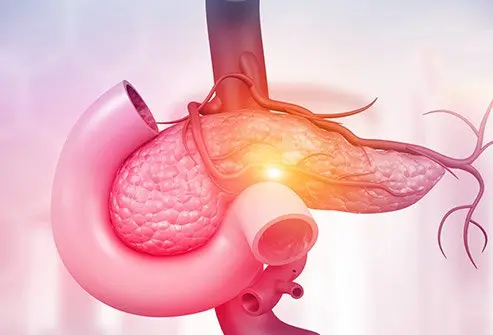
Pancreatic cancer is a serious condition that develops when abnormal cells grow uncontrollably in the pancreas, an important organ located behind the stomach. The pancreas plays a vital role in digestion and blood sugar regulation by producing digestive enzymes and hormones such as insulin. Pancreatic cancer often develops silently in its early stages, which can make early detection challenging. However, advances in modern oncology, imaging technology, and personalized cancer treatment have improved outcomes and quality of life for many patients.
At Abhaya Cancer Centre, we focus on early diagnosis, evidence-based treatment planning, and compassionate care for patients with pancreatic cancer. Every patient receives individualized attention from a multidisciplinary team dedicated to providing comprehensive cancer management.
The exact cause of pancreatic cancer is not always clearly understood, but several factors are known to increase the risk of developing the disease. Smoking is considered one of the leading risk factors, as tobacco chemicals can damage pancreatic cells over time. Long-standing diabetes, chronic pancreatitis, obesity, excessive alcohol consumption, and a family history of pancreatic or related cancers may also contribute to increased risk.
Age is another important factor, with pancreatic cancer being more commonly diagnosed in older adults. Certain inherited genetic conditions and mutations can also increase susceptibility. In some cases, people with no obvious risk factors may still develop pancreatic cancer, which is why awareness and timely medical evaluation are important.
Pancreatic cancer symptoms may vary depending on the location and stage of the disease. Early-stage pancreatic cancer may not produce noticeable symptoms, which often delays diagnosis. As the condition progresses, patients may experience persistent abdominal pain that can radiate to the back, unexplained weight loss, loss of appetite, fatigue, nausea, and digestive difficulties.
Jaundice, which causes yellowing of the skin and eyes, is another common symptom, especially when the tumor blocks the bile duct. Some patients may notice dark-colored urine, pale stools, or itching of the skin. New-onset diabetes or sudden worsening of existing diabetes can sometimes be associated with pancreatic cancer. Any persistent or unusual symptoms should be evaluated by a qualified medical professional without delay.
Diagnosing pancreatic cancer requires a detailed clinical evaluation combined with advanced imaging and laboratory investigations. Doctors may begin with a physical examination and review of symptoms and medical history. Blood tests, including tumor markers such as CA 19-9, can provide supportive information, although they are not used alone for diagnosis.
Imaging studies such as ultrasound, CT scans, MRI scans, and PET scans help identify the location, size, and spread of the tumor. Endoscopic ultrasound and biopsy procedures are commonly performed to confirm the diagnosis by examining tissue samples under a microscope. Accurate staging is essential for determining the most effective treatment plan and improving treatment outcomes.
The treatment of pancreatic cancer depends on several factors, including the stage of the cancer, tumor location, overall health of the patient, and whether the cancer has spread. Surgery is often considered the most effective treatment for localized pancreatic cancer and may involve removal of part or all of the pancreas along with nearby structures if necessary.
Chemotherapy is frequently used either before surgery to shrink the tumor or after surgery to reduce the risk of recurrence. Radiation therapy may also be recommended in selected cases to target cancer cells with precision. Advanced treatment options such as targeted therapy and immunotherapy may be suitable for certain patients based on the genetic profile of the tumor.
At Abhaya Cancer Centre, treatment plans are carefully tailored to each patient using a multidisciplinary approach that combines surgical oncology, medical oncology, radiation oncology, nutritional support, and palliative care services to ensure comprehensive cancer management.
Recovery and long-term care after pancreatic cancer treatment are important aspects of the healing journey. Patients may require regular follow-up visits, imaging tests, and blood investigations to monitor recovery and detect any signs of recurrence. Nutritional support plays a significant role because pancreatic treatments can affect digestion and appetite.
Patients may also benefit from pain management, physical rehabilitation, emotional counseling, and lifestyle modifications to improve overall well-being. Managing blood sugar levels and maintaining a balanced diet are especially important after pancreatic surgery. At Abhaya Cancer Centre, our team provides continued guidance and supportive care to help patients regain strength and maintain quality of life after treatment.
Pancreatic cancer can lead to several complications if not diagnosed and treated early. These may include severe weight loss, digestive problems, jaundice, bowel obstruction, chronic pain, and spread of cancer to nearby organs or distant parts of the body. Treatment-related side effects such as fatigue, nausea, appetite loss, and temporary weakness may also occur during chemotherapy or radiation therapy.
In advanced stages, pancreatic cancer can significantly affect nutritional status and overall health. Early intervention, expert medical supervision, and supportive therapies are important in reducing complications and improving patient comfort throughout the treatment process.
It is important to seek medical attention if you experience persistent abdominal pain, unexplained weight loss, jaundice, changes in appetite, digestive disturbances, or prolonged fatigue. Individuals with a strong family history of pancreatic cancer, chronic pancreatitis, or sudden-onset diabetes should also consider medical evaluation and regular health check-ups.
Early diagnosis plays a crucial role in improving pancreatic cancer treatment outcomes. Consulting an experienced oncology team at the earliest sign of concern can help ensure timely diagnosis, appropriate treatment, and better long-term care.
WhatsApp us