Rectal Cancer
- Home
- Rectal Cancer


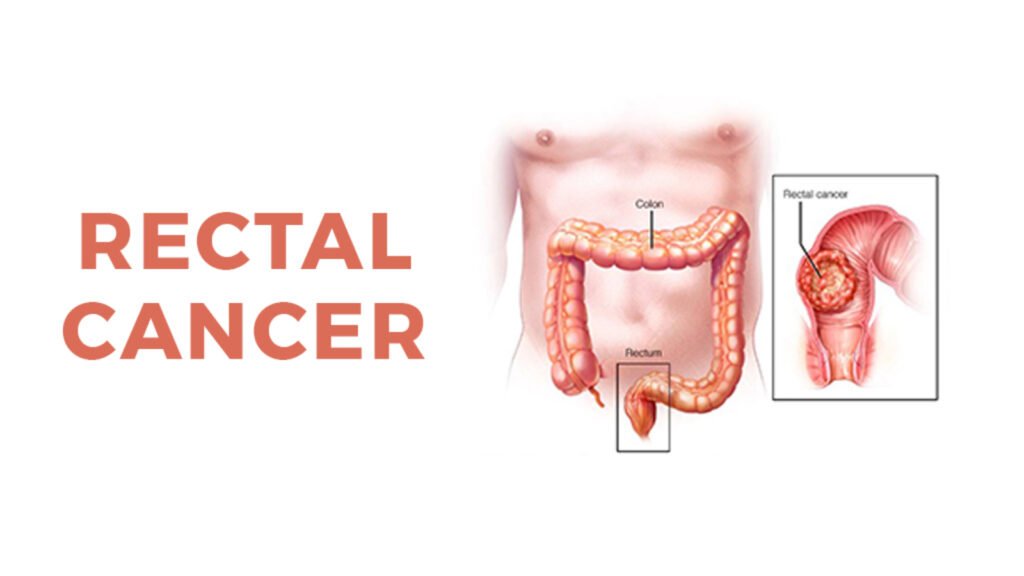
Rectal cancer is a type of cancer that develops in the rectum, which is the last several inches of the large intestine before the anus. It often begins as small growths called polyps in the inner lining of the rectum, which may gradually become cancerous over time. Rectal cancer is commonly grouped with colon cancer under colorectal cancer due to similarities in their behavior and treatment. Early detection plays a crucial role in successful management, and advances in screening and therapy have significantly improved outcomes for patients when diagnosed at an early stage.
The exact cause of rectal cancer is not always clear, but it generally develops due to genetic mutations in the cells of the rectal lining that lead to uncontrolled growth. Several risk factors may increase the likelihood of developing this condition, including a family history of colorectal cancer, long-standing inflammatory bowel diseases such as ulcerative colitis or Crohn’s disease, a diet high in processed or red meats, sedentary lifestyle, smoking, excessive alcohol consumption, and obesity. Age is also a significant factor, with most cases occurring in individuals over 50, although younger patients are increasingly being diagnosed.
Symptoms of rectal cancer may vary depending on the stage of the disease. Common signs include rectal bleeding, blood in the stool, a change in bowel habits such as persistent diarrhea or constipation, and a feeling of incomplete evacuation after passing stool. Some patients may also experience abdominal discomfort, unexplained weight loss, fatigue, or narrowing of stools. In early stages, symptoms may be mild or even absent, which is why regular screening is important for early detection and better treatment outcomes.
Diagnosis of rectal cancer typically begins with a detailed medical history and physical examination, followed by specialized tests. A colonoscopy is one of the most important diagnostic procedures, allowing direct visualization of the rectum and the ability to take a biopsy for confirmation. Imaging studies such as MRI, CT scans, and endorectal ultrasound are often used to determine the extent of the disease and whether it has spread. Blood tests, including tumor markers like CEA (Carcinoembryonic Antigen), may also support diagnosis and monitoring.
Treatment for rectal cancer depends on the stage, location, and overall health of the patient. Surgery is often the primary treatment and may involve removing the tumor along with surrounding tissue. In many cases, radiation therapy and chemotherapy are used either before surgery to shrink the tumor or after surgery to reduce the risk of recurrence. Advanced techniques such as targeted therapy and immunotherapy may also be recommended in specific cases. At specialized cancer centres like Abhaya Cancer Centre, treatment is planned in a multidisciplinary approach to ensure personalized and effective care for each patient.
After treatment, regular follow-up care is essential to monitor recovery and detect any signs of recurrence early. Patients may need periodic physical examinations, imaging tests, and blood investigations. Lifestyle modifications such as a balanced diet, regular physical activity, and avoiding smoking or alcohol can support long-term recovery. Psychological support and counseling may also be beneficial, as cancer treatment can have emotional and mental health impacts. Rehabilitation and stoma care (if applicable) are also important aspects of post-treatment management.
Rectal cancer and its treatment may lead to certain complications depending on the stage and treatment approach. Potential risks include bowel dysfunction, infection, bleeding, or complications related to surgery such as leakage or narrowing at the surgical site. Chemotherapy and radiation therapy may also cause side effects like fatigue, skin irritation, or changes in bowel habits. In some cases, there may be a risk of cancer recurrence or spread to other organs, which is why continuous monitoring is important.
It is important to seek medical attention if you notice persistent rectal bleeding, unexplained changes in bowel habits, ongoing abdominal discomfort, or unexplained weight loss. Individuals with a family history of colorectal cancer or pre-existing bowel diseases should also consult a specialist for regular screening. Early evaluation can significantly improve treatment success and reduce complications. Prompt consultation with an oncology specialist ensures timely diagnosis and appropriate management tailored to the patient’s condition.
WhatsApp us