Breast Cancer
- Home
- Breast Cancer


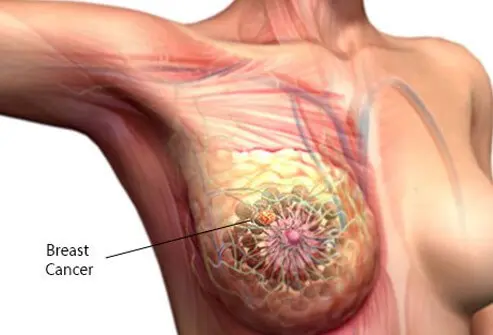
Breast cancer is one of the most common cancers affecting women worldwide, although it can also occur in men. It develops when abnormal cells in the breast grow uncontrollably and form a tumor. Breast cancer may begin in different parts of the breast, including the milk ducts, lobules, or surrounding tissues. Early detection and advanced treatment options have significantly improved survival rates and quality of life for patients diagnosed with breast cancer.
At Abhaya Cancer Centre, we understand that a breast cancer diagnosis can be emotionally and physically overwhelming. Our approach focuses on compassionate care, accurate diagnosis, personalized treatment planning, and continuous support throughout every stage of recovery. With modern cancer care technologies and a multidisciplinary team of specialists, we aim to provide comprehensive breast cancer treatment tailored to each patient’s condition and overall health.
The exact cause of breast cancer is not always known, but several factors can increase the risk of developing the disease. Genetic mutations, particularly inherited changes in genes such as BRCA1 and BRCA2, can significantly raise the likelihood of breast cancer. A family history of breast or ovarian cancer may also increase risk, especially when close relatives have been diagnosed at a younger age.
Hormonal influences, increasing age, obesity, lack of physical activity, alcohol consumption, smoking, and prolonged exposure to estrogen are other known risk factors. Women who experience early menstruation, late menopause, or delayed childbirth may also have a slightly higher risk. In some cases, previous radiation exposure to the chest area can contribute to the development of breast cancer. However, many patients diagnosed with breast cancer may not have any identifiable risk factors, which is why regular screening and awareness are extremely important.
Breast cancer symptoms can vary from person to person, and some individuals may not experience noticeable signs in the early stages. One of the most common symptoms is a lump or thickening in the breast or underarm area. The lump may feel hard, irregular, or different from surrounding breast tissue. Changes in breast size, shape, or appearance should also be carefully evaluated.
Other symptoms may include skin dimpling, redness, swelling, nipple inversion, unusual nipple discharge, or persistent pain in the breast. Some patients may notice changes in the texture of the skin, often described as resembling an orange peel. Although breast pain is not always linked to cancer, any persistent or unusual breast changes should be examined by a qualified medical professional as early diagnosis plays a critical role in successful treatment outcomes.
Diagnosing breast cancer involves a combination of clinical examination, imaging studies, and laboratory investigations. A thorough physical examination is usually followed by imaging tests such as mammography, breast ultrasound, or MRI scans to identify suspicious abnormalities within the breast tissue. These diagnostic tools help determine the size, location, and extent of the tumor.
If an abnormality is detected, a biopsy is performed to confirm whether cancer cells are present. During a biopsy, a small sample of tissue is collected and examined under a microscope by a pathologist. Additional tests may be recommended to determine the stage of the cancer and whether it has spread to nearby lymph nodes or other parts of the body. Hormone receptor testing and HER2 status evaluation are also important for planning the most effective treatment approach for each patient.
Breast cancer treatment depends on several factors, including the type of cancer, stage of disease, tumor characteristics, and the patient’s overall health. Treatment plans are personalized to achieve the best possible outcomes while preserving quality of life. Surgery is one of the primary treatment methods and may involve removing the tumor alone or the entire breast depending on the extent of the disease. Lymph node evaluation may also be performed during surgery to assess cancer spread.
Radiation therapy is often recommended after surgery to destroy remaining cancer cells and reduce the risk of recurrence. Chemotherapy may be used before or after surgery to target cancer cells throughout the body, particularly in aggressive or advanced breast cancers. Hormone therapy is commonly used for hormone receptor-positive breast cancers to block hormones that fuel cancer growth. Targeted therapy and immunotherapy are advanced treatment approaches that specifically attack cancer cells while minimizing damage to healthy tissues.
At Abhaya Cancer Centre, our multidisciplinary oncology team carefully designs individualized treatment plans using modern medical technologies and evidence-based cancer care practices to ensure safe, effective, and compassionate treatment.
Recovery after breast cancer treatment is an important phase that requires regular follow-up care, emotional support, and lifestyle management. Patients may need ongoing monitoring through clinical examinations, imaging studies, and blood tests to detect any signs of recurrence or treatment-related complications. Rehabilitation and physiotherapy may help improve arm mobility and reduce discomfort following surgery or radiation treatment.
Emotional wellness also plays a vital role in recovery. Many patients benefit from counseling, nutritional guidance, stress management, and support groups during the healing process. Maintaining a healthy lifestyle through balanced nutrition, regular exercise, adequate sleep, and avoiding tobacco or excessive alcohol consumption can support long-term health and recovery.
Breast cancer and its treatments may lead to certain risks or complications depending on the stage of disease and the therapies used. Possible complications include cancer recurrence, spread of cancer to other organs, infection after surgery, lymphedema due to lymph node removal, fatigue, and treatment-related side effects such as nausea or hair loss during chemotherapy.
Some patients may experience changes in body image, emotional stress, or hormonal changes after treatment. Radiation therapy can occasionally affect nearby healthy tissues, while certain targeted treatments may require monitoring for heart health. Early management of complications and regular follow-up with oncology specialists are essential for maintaining overall well-being and improving long-term outcomes.
It is important to consult a doctor if you notice any unusual changes in your breasts, including lumps, swelling, nipple discharge, skin changes, or persistent pain. Early medical evaluation can help detect breast cancer at an earlier and more treatable stage. Women with a family history of breast cancer or other high-risk factors should discuss regular screening schedules and preventive strategies with their healthcare provider.
Routine breast self-awareness, clinical breast examinations, and mammography screenings are essential components of early detection. If you experience any concerning symptoms or have questions regarding breast health, seeking prompt medical attention can make a significant difference in diagnosis, treatment success, and overall prognosis.
WhatsApp us