Lung Cancer
- Home
- Lung Cancer


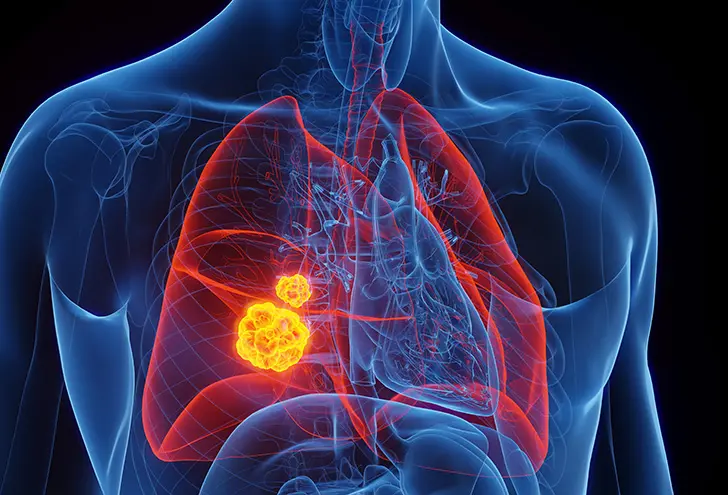
Lung cancer is one of the most common and serious forms of cancer that begins in the tissues of the lungs. It occurs when abnormal cells grow uncontrollably and form a tumor, affecting the normal functioning of the lungs and the body’s ability to receive oxygen efficiently. Lung cancer can develop in anyone, although it is more commonly seen in individuals with a history of smoking or prolonged exposure to harmful environmental substances. The disease is broadly classified into non-small cell lung cancer and small cell lung cancer, each requiring a different treatment approach depending on the stage and severity.
At Abhaya Cancer Centre, we understand the emotional and physical challenges associated with a lung cancer diagnosis. Our team focuses on providing accurate diagnosis, advanced treatment options, and compassionate care tailored to the individual needs of every patient. Early detection and timely medical attention play a major role in improving treatment outcomes and quality of life.
The leading cause of lung cancer is tobacco smoking, including long-term cigarette, cigar, or pipe smoking. However, lung cancer can also occur in non-smokers due to exposure to secondhand smoke, air pollution, asbestos, radon gas, and harmful industrial chemicals. Genetic factors and family history may also increase the risk in some individuals.
People with chronic lung diseases, weakened immunity, or prolonged exposure to toxic substances in the workplace may have a higher likelihood of developing lung cancer. Lifestyle factors and environmental influences together contribute to the gradual damage of lung tissues over time, leading to abnormal cell growth.
Lung cancer symptoms may not always appear in the early stages, which is why regular medical evaluation is important for high-risk individuals. Persistent cough, coughing up blood, chest pain, shortness of breath, wheezing, and unexplained weight loss are some of the most common warning signs. Many patients also experience fatigue, hoarseness of voice, repeated respiratory infections, or discomfort while breathing.
As the disease progresses, symptoms may become more noticeable and may spread to other parts of the body, causing bone pain, headaches, or swelling in certain areas. Any persistent respiratory symptom that does not improve with routine treatment should be evaluated by a cancer specialist without delay.
The diagnosis of lung cancer involves a combination of clinical evaluation, imaging studies, and laboratory testing. Doctors may recommend chest X-rays, CT scans, PET scans, or MRI scans to identify suspicious growths within the lungs and determine the extent of the disease. A biopsy is usually required to confirm the diagnosis and identify the specific type of lung cancer.
Additional tests such as bronchoscopy, sputum cytology, and molecular testing may also be performed to evaluate the cancer in detail and help plan the most effective treatment strategy. Early and accurate diagnosis is essential in selecting personalized treatment options and improving the chances of successful recovery.
Treatment for lung cancer depends on the type, stage, size, and spread of the tumor, as well as the overall health of the patient. At Abhaya Cancer Centre, treatment plans are designed through a multidisciplinary approach involving experienced oncologists, surgeons, and radiation specialists.
Surgery may be recommended in cases where the cancer is localized and can be safely removed. Chemotherapy and radiation therapy are commonly used either alone or in combination to destroy cancer cells and reduce tumor growth. Advanced therapies such as targeted therapy and immunotherapy are also available for suitable patients, offering more precise and effective treatment with improved outcomes.
The goal of treatment is not only to eliminate cancer but also to preserve lung function, manage symptoms, and improve the patient’s quality of life. Each patient receives individualized care based on their medical condition and treatment response.
Recovery after lung cancer treatment requires regular follow-up care and ongoing monitoring. Patients are advised to attend scheduled medical visits, imaging scans, and blood tests to ensure that the cancer has not returned and to monitor overall health. Rehabilitation, breathing exercises, nutritional guidance, and emotional support are often important parts of recovery.
Lifestyle modifications such as quitting smoking, maintaining a healthy diet, staying physically active, and avoiding exposure to pollutants can significantly support long-term health after treatment. Psychological counseling and supportive care services may also help patients and families cope with emotional stress during recovery.
If left untreated, lung cancer can spread to nearby tissues or distant organs such as the brain, liver, or bones. Advanced disease may lead to breathing difficulties, severe infections, fluid accumulation around the lungs, and reduced oxygen supply to the body. Certain treatments may also cause temporary side effects including fatigue, nausea, hair loss, loss of appetite, or lowered immunity.
While complications vary from person to person, timely medical intervention and proper supportive care can help manage symptoms effectively and improve patient comfort. Continuous monitoring by experienced specialists is essential throughout the treatment journey.
It is important to consult a doctor if you experience a persistent cough, chest pain, shortness of breath, coughing up blood, or unexplained weight loss. Individuals with a history of smoking or prolonged exposure to harmful chemicals should consider regular lung health screenings, especially if symptoms are ongoing.
Early medical attention can lead to faster diagnosis and more effective treatment outcomes. At Abhaya Cancer Centre, our dedicated oncology team provides comprehensive evaluation, advanced cancer care, and compassionate support for patients diagnosed with lung cancer.
WhatsApp us