Blood Cancer
- Home
- Blood Cancer


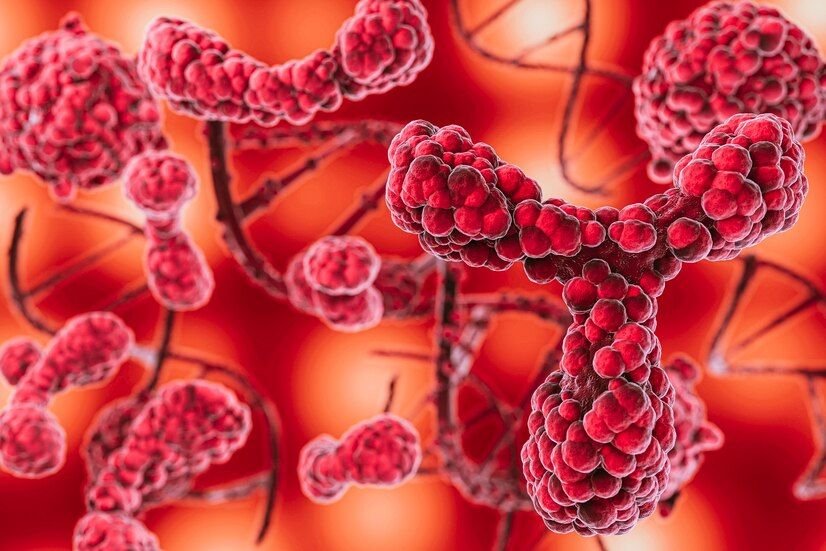
Blood cancer refers to a group of cancers that affect the blood, bone marrow, or lymphatic system, disrupting the normal production and function of blood cells. These cancers primarily include leukemia, lymphoma, and multiple myeloma. In healthy conditions, blood cells grow and function in a controlled manner, but in blood cancer, abnormal cells grow uncontrollably and interfere with the body’s ability to fight infections, carry oxygen, and control bleeding. Early detection and timely medical intervention play a crucial role in improving outcomes and long-term survival.
The exact cause of blood cancer is not always identifiable, but it is generally linked to genetic mutations that affect the normal growth cycle of blood cells. These mutations may occur spontaneously or due to exposure to certain risk factors. Common contributing factors include prolonged exposure to radiation, harmful chemicals such as benzene, certain chemotherapy drugs used for previous cancers, and inherited genetic conditions. A weakened immune system and certain viral infections may also increase susceptibility in some individuals. However, in many cases, blood cancer develops without a clear identifiable cause.
The symptoms of blood cancer often develop gradually and may initially resemble common illnesses, which can delay diagnosis. Patients may experience persistent fatigue, unexplained weight loss, frequent infections, and prolonged fever. Other common signs include easy bruising or bleeding, swelling of lymph nodes, bone or joint pain, and shortness of breath due to anemia. In some cases, patients may notice night sweats or a general feeling of weakness. Since these symptoms can overlap with other conditions, medical evaluation is essential for accurate diagnosis.
Diagnosis of blood cancer involves a combination of clinical evaluation and specialized laboratory tests. A complete blood count is often the first step, helping to detect abnormal levels of blood cells. Bone marrow biopsy is commonly used to confirm the presence of cancerous cells and determine the specific type of blood cancer. Additional diagnostic tools such as imaging studies, flow cytometry, genetic testing, and lymph node biopsy may also be used to assess the extent and nature of the disease. Accurate diagnosis is critical for developing an effective treatment plan.
Treatment for blood cancer depends on the type, stage, and overall health of the patient. Common treatment approaches include chemotherapy, which uses anti-cancer drugs to destroy abnormal cells, and radiation therapy, which targets affected areas in certain cases. Immunotherapy and targeted therapy are advanced treatment options that help the immune system recognize and attack cancer cells more effectively. In some patients, stem cell or bone marrow transplantation may be recommended to restore healthy blood cell production. Treatment plans are personalized to achieve the best possible outcomes.
After treatment, ongoing care is essential to monitor recovery and prevent recurrence. Regular follow-up visits, blood tests, and imaging studies help assess the patient’s health status. Patients are advised to maintain a balanced diet, practice good hygiene to reduce infection risks, and avoid exposure to potential sources of illness. Emotional and psychological support is also important, as recovery can be both physically and mentally demanding. Rehabilitation and lifestyle modifications play a key role in restoring overall well-being.
Blood cancer and its treatment can lead to several complications, depending on the severity of the disease and the type of therapy used. Patients may experience increased vulnerability to infections due to weakened immunity. Anemia, excessive bleeding, and fatigue are also common complications. Some treatments may cause side effects such as nausea, hair loss, or organ-related toxicity. In advanced cases, complications can affect vital organs and overall quality of life. Careful monitoring and timely management help reduce these risks significantly.
It is important to seek medical attention if symptoms such as persistent fatigue, unexplained fever, frequent infections, or unusual bleeding occur without a clear cause. Swelling of lymph nodes, sudden weight loss, or prolonged weakness should also not be ignored. Early consultation with a specialist increases the chances of early detection and effective treatment. Prompt diagnosis and intervention are key to improving survival rates and achieving better long-term outcomes in blood cancer management.
WhatsApp us