Colon & Rectal Cancer
- Home
- Colon & Rectal Cancer


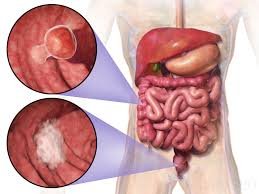
Colon and rectal cancer, collectively known as colorectal cancer, refers to the abnormal and uncontrolled growth of cells in the large intestine or rectum. It is one of the most common cancers affecting both men and women worldwide. These cancers often begin as small, benign polyps that gradually develop into malignant tumors over time. Early detection plays a crucial role in improving treatment outcomes, as colorectal cancer is highly treatable when diagnosed at an early stage. At Abhaya Cancer Centre, we focus on advanced diagnostic evaluation and personalized treatment approaches to ensure the best possible patient outcomes.
The exact cause of colon and rectal cancer is not always clear, but it typically develops due to genetic mutations in the cells of the colon or rectum. Several risk factors can increase the likelihood of developing this condition, including a family history of colorectal cancer, inherited genetic syndromes such as Lynch syndrome, a diet high in processed or red meat, and low fiber intake. Lifestyle factors like physical inactivity, obesity, smoking, and excessive alcohol consumption also contribute significantly. Chronic inflammatory conditions of the bowel, such as ulcerative colitis or Crohn’s disease, may further increase the risk over time.
In the early stages, colorectal cancer may not show noticeable symptoms, which is why screening is essential. As the disease progresses, symptoms may include persistent changes in bowel habits such as diarrhea or constipation, blood in the stool, abdominal discomfort, unexplained weight loss, fatigue, and a feeling of incomplete bowel evacuation. Some patients may also experience iron-deficiency anemia due to hidden blood loss. These symptoms should not be ignored, especially if they persist for more than a few weeks.
Diagnosis of blood cancer involves a combination of clinical evaluation and specialized laboratory tests. A complete blood count is often the first step, helping to detect abnormal levels of blood cells. Bone marrow biopsy is commonly used to confirm the presence of cancerous cells and determine the specific type of blood cancer. Additional diagnostic tools such as imaging studies, flow cytometry, genetic testing, and lymph node biopsy may also be used to assess the extent and nature of the disease. Accurate diagnosis is critical for developing an effective treatment plan.
Treatment for colon and rectal cancer depends on the stage, location, and overall health of the patient. Surgery is often the primary treatment, especially in early stages, to remove the tumor and surrounding affected tissue. In more advanced cases, chemotherapy is used to destroy cancer cells or reduce tumor size before surgery. Radiation therapy is commonly used for rectal cancer to shrink tumors and prevent recurrence. Targeted therapy and immunotherapy are modern treatment approaches that focus on attacking cancer cells more precisely while minimizing damage to healthy tissues. At Abhaya Cancer Centre, treatment plans are highly individualized based on each patient’s condition.
Post-treatment care is an essential part of recovery and long-term cancer management. Patients are closely monitored through regular follow-ups, imaging tests, and blood work to detect any signs of recurrence. Nutritional support, lifestyle modifications, and physical activity are encouraged to improve overall health and immunity. Psychological counseling and support groups may also help patients cope with emotional stress after treatment. Long-term surveillance is necessary to ensure continued health and early detection of any recurrence.
Colon and rectal cancer can lead to several complications if not treated in time. These may include bowel obstruction, severe bleeding, perforation of the intestine, and metastasis to other organs such as the liver or lungs. Treatment-related complications can also occur, including infection, fatigue, digestive issues, and changes in bowel function. However, with timely intervention and advanced medical care, many of these risks can be effectively managed or prevented.
It is important to consult a doctor if you experience persistent changes in bowel habits, unexplained abdominal pain, blood in stool, or significant weight loss. Individuals above the age of 45, or those with a family history of colorectal cancer, should consider regular screening even in the absence of symptoms. Early medical consultation significantly improves the chances of successful treatment and long-term survival. At Abhaya Cancer Centre, we encourage timely evaluation and expert consultation for any concerning symptoms related to colorectal health.
WhatsApp us