
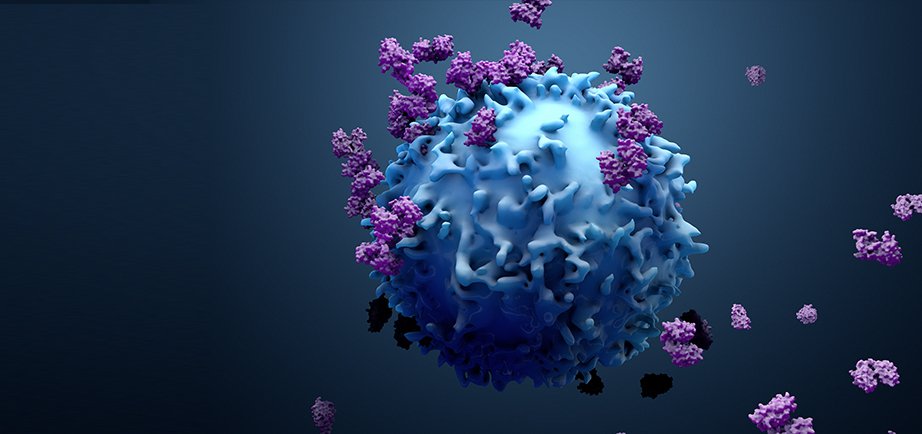
Medical Oncology is a specialized branch of cancer care that focuses on the diagnosis, treatment, and management of cancer using medications such as chemotherapy, immunotherapy, targeted therapy, hormonal therapy, and other advanced systemic treatments. At Abhaya Cancer Centre, Medical Oncology plays a vital role in providing personalized cancer treatment plans designed according to the patient’s cancer type, stage, overall health, and treatment goals. The primary objective is not only to treat cancer effectively but also to improve quality of life, reduce symptoms, and support long-term recovery.
Modern Medical Oncology has significantly advanced over the years, allowing doctors to target cancer cells more precisely while minimizing damage to healthy tissues. With a multidisciplinary approach and evidence-based care, patients receive comprehensive support throughout every stage of treatment, from initial diagnosis to recovery and follow-up care.
Cancer develops when normal cells in the body begin to grow uncontrollably due to genetic mutations or damage to DNA. Several factors may contribute to the development of cancer, including tobacco use, excessive alcohol consumption, unhealthy dietary habits, obesity, lack of physical activity, exposure to harmful chemicals, radiation, and long-term infections caused by viruses such as HPV or Hepatitis B and C. Family history and inherited genetic conditions may also increase the risk of certain cancers.
In some cases, the exact cause may not be clearly identified. Environmental exposure, lifestyle choices, age, hormonal imbalances, and weakened immunity can also influence the development of cancer. Understanding these risk factors helps in early prevention, timely screening, and improved treatment outcomes.
The symptoms of cancer can vary depending on the type and location of the disease. Common warning signs may include unexplained weight loss, persistent fatigue, loss of appetite, unusual bleeding, prolonged fever, chronic pain, difficulty swallowing, changes in bowel or bladder habits, or lumps and swelling in different parts of the body. Some patients may also experience persistent cough, breathing difficulties, skin changes, or recurring infections.
Certain cancers may remain silent in the early stages and show symptoms only after progression. This is why regular health check-ups and cancer screenings are important, especially for individuals with high-risk factors or a family history of cancer. Early detection often leads to better treatment success and improved survival rates.
Accurate diagnosis is one of the most important steps in effective cancer treatment. Medical Oncologists use a combination of advanced diagnostic methods to identify the type, stage, and spread of cancer. The evaluation process may include blood tests, imaging studies such as CT scans, MRI scans, PET scans, ultrasound, and mammography, along with biopsy procedures to examine tissue samples under a microscope.
Molecular testing and genetic profiling are also increasingly used to understand the biological behavior of tumors and identify targeted treatment options. A detailed diagnosis helps doctors develop a customized treatment strategy that offers the best possible outcomes for each patient.
Medical Oncology treatment plans are carefully tailored based on the patient’s condition and cancer stage. Chemotherapy remains one of the most widely used treatments and works by destroying rapidly growing cancer cells. Immunotherapy helps strengthen the body’s immune system to fight cancer more effectively, while targeted therapy focuses on specific molecules or genetic mutations responsible for cancer growth. Hormonal therapy may be recommended for hormone-sensitive cancers such as breast or prostate cancer.
In many cases, Medical Oncology treatments are combined with surgery or radiation therapy for a more comprehensive approach. Some patients may receive treatment before surgery to shrink tumors, while others may require therapy after surgery to reduce the risk of recurrence. Advanced supportive care measures are also provided to manage side effects and improve patient comfort during treatment.
Post-treatment care is essential for monitoring recovery and maintaining long-term health after cancer treatment. Regular follow-up visits help doctors assess the patient’s response, detect any signs of recurrence, and manage late side effects of therapy. Patients may undergo routine scans, blood investigations, and physical examinations as part of ongoing surveillance.
Nutritional guidance, pain management, emotional counseling, rehabilitation, and lifestyle modifications also play an important role in recovery. Many patients benefit from psychological support and wellness programs that help them regain confidence and improve overall quality of life after treatment.
Cancer treatments can sometimes cause temporary or long-term side effects depending on the type of therapy used. Chemotherapy may lead to nausea, hair loss, fatigue, reduced immunity, and changes in appetite. Targeted therapy and immunotherapy may occasionally cause skin reactions, inflammation, or organ-related complications. Some patients may also experience emotional stress, anxiety, or depression during their cancer journey.
However, modern oncology care focuses strongly on supportive treatment and symptom management to minimize these complications. Regular monitoring and timely medical attention help manage side effects effectively and ensure safer treatment outcomes for patients.
It is important to consult a doctor if you notice persistent or unusual symptoms that do not improve over time. Symptoms such as unexplained weight loss, prolonged fatigue, recurring fever, abnormal bleeding, persistent pain, lumps, chronic cough, or changes in normal body functions should never be ignored. Individuals with a family history of cancer or high-risk lifestyle factors should also consider regular cancer screening and preventive consultations.
Early medical evaluation can lead to timely diagnosis and significantly improve treatment success. Seeking expert guidance from experienced oncology specialists ensures accurate diagnosis, advanced treatment options, and compassionate support throughout the cancer care journey.
WhatsApp us